Maine's Vast Forests Hold a Surprising Climate Key.

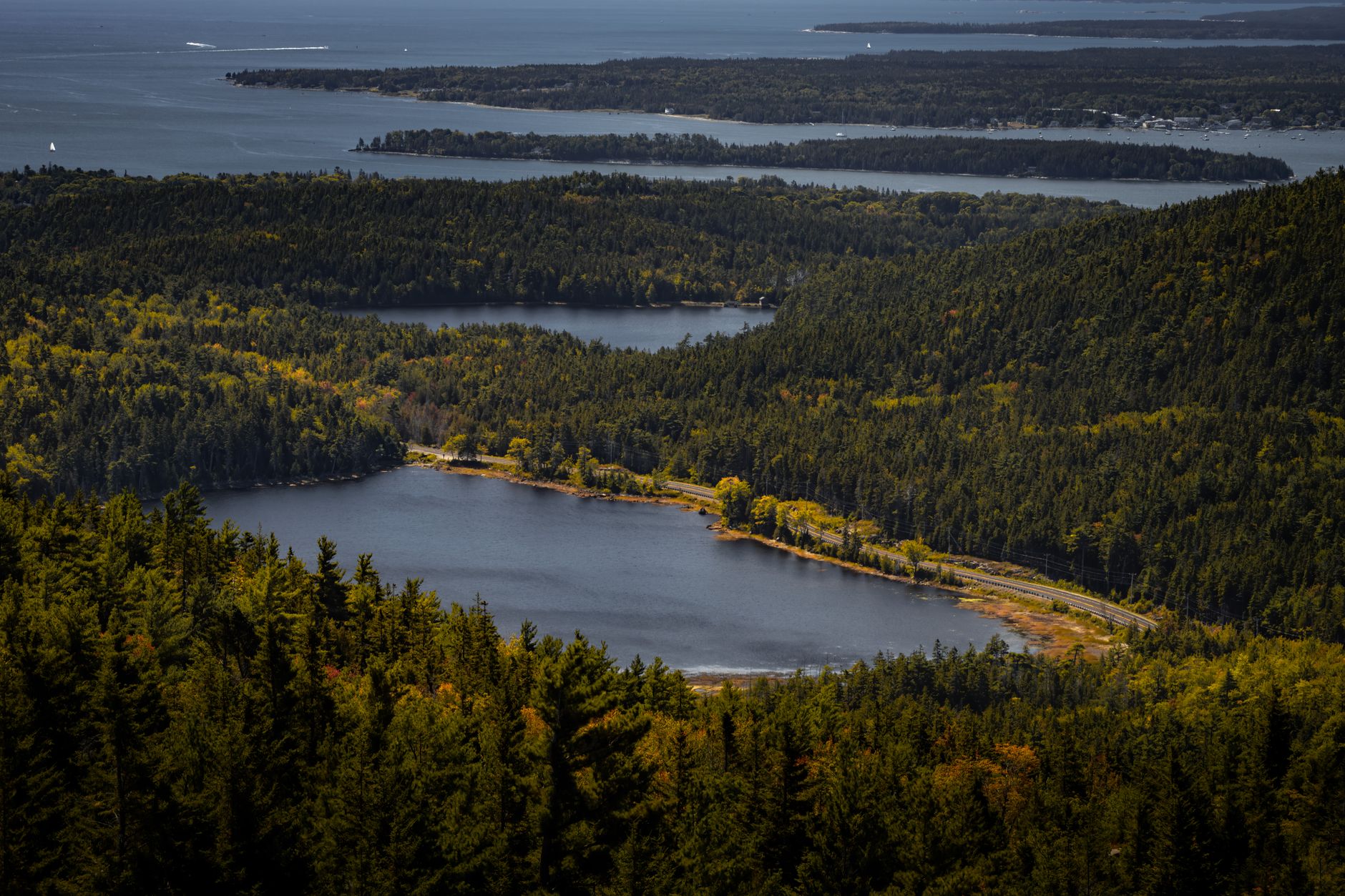
Maine, the most heavily forested state, is strategically leveraging its vast woodlands to achieve ambitious climate goals. With 94 percent of its forests privately owned, the state has launched programs like WoodsWISE Resilience to empower individual landowners to participate in climate-focused stewardship. This collaborative approach not only bolsters the local economy but also positions Maine as a leader in sustainable solutions, demonstrating how local action and international partnerships can drive global environmental progress. The urgent need for greenhouse gas reduction makes these efforts critical for a healthier planet.
Maine’s climate action plan, “Maine Won’t Wait,” focuses on four key pillars: cutting greenhouse gas emissions drastically, building resilience against climate impacts, safeguarding jobs while creating new clean energy roles, and supporting all residents, including those in rural areas. The state’s timber industry, a significant economic driver, contributed $8.3 billion to Maine's economy in 2024 and supports 29,000 jobs, highlighting the vital link between its forests and prosperity.
Beyond economics, Maine’s 18 million acres of forests are essential for protecting watersheds, soil, and biodiversity, forming the largest unfragmented tract in the eastern United States. Recognizing this immense value, the state created the Forest Carbon Task Force in 2021 and implemented new programs to enhance climate resilience. These efforts are now showing tangible success in conservation and emission reduction.
A prime example is the WoodsWISE Resilience Program, introduced by the Maine Forest Service. This program encourages private woodland owners with 10 to 1,000 acres to adopt climate-focused stewardship practices. Funded by grants from the Inflation Reduction Act and the U.S. Forest Service, it helps cover 60 to 80 percent of the costs for practices like invasive species removal, strategic thinning, or disease management. Since March, over 150 landowners have joined, working with trained foresters to create customized 10-year plans. This collective effort is crucial, as University of Maine research shows the state's forests offset at least 60 percent of its greenhouse gas emissions annually.
While Maine has made progress with clean electricity, challenges remain, particularly with reliance on fossil fuels for transportation and home heating. Diversifying energy sources is key to stabilizing prices and reducing market volatility. As former chair of the Maine Public Utilities Commission, Philip Bartlett II, notes, good forest management practices, which avoid clear-cutting and promote growth, are vital for continued carbon sequestration.
Maine is also thinking globally, collaborating formally with Finland since 2019 to exchange sustainable stewardship strategies and build strong bioeconomies. Both regions share similar profiles, making this "peer exchange" valuable. Finland's advanced bioeconomy offers insights into transforming low-value wood into everyday necessities, such as sustainable construction materials, non-toxic packaging alternatives like cellulose nanofiber developed at the University of Maine, and even cleaner fuel for heating homes.
This focus on a bioeconomy strengthens domestic manufacturing, supports local jobs, and displaces conventional, carbon-intensive materials and fuels. It’s a holistic approach, balancing thoughtful stewardship with a vibrant, sustainable economy. As Claire Hawkins of the Maine Department of Agriculture, Conservation and Forestry explains, this alliance with Finland helps Maine anticipate long-term results and foster a truly circular, sustainable economic model for its natural resources.