Maine Salmon River Cleared: One Barrier Falls, But a Bigger Threat Looms

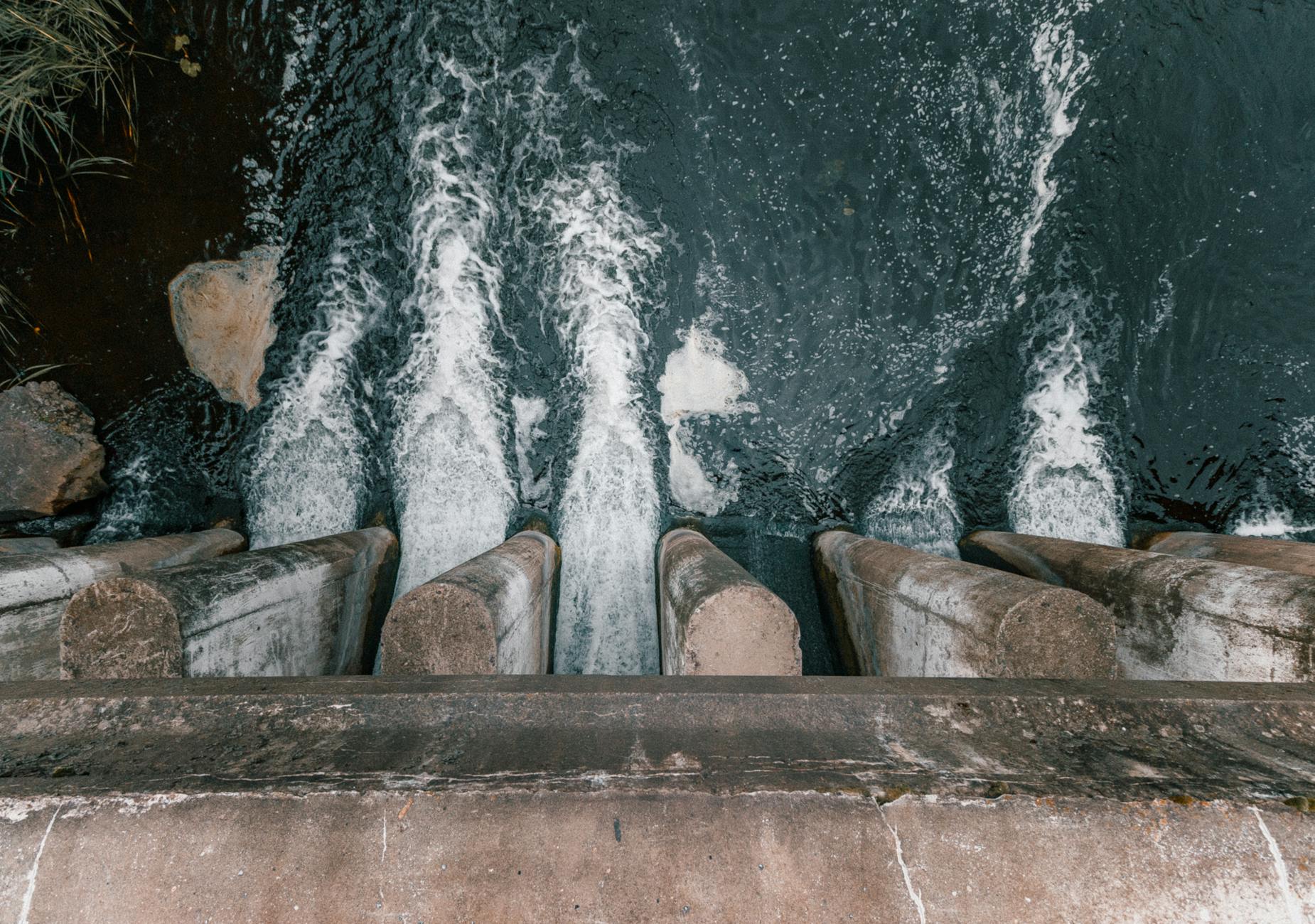
After decades of decline, endangered Atlantic salmon in Maine's Narraguagus River have a new chance. A significant ice-control dam in Cherryfield, a major obstacle for migrating fish, has been removed and replaced with a nature-like fishway, opening up miles of crucial habitat. This generational effort highlights local action to restore vital ecosystems. However, scientists caution that the wider challenge of climate change, bringing warmer oceans and rivers, presents an uncertain future for these iconic fish, underscoring the urgency of global warming solutions.
The remote Narraguagus River in Maine, once teeming with Atlantic salmon, has seen a dramatic drop in their numbers, with only about 25 wild adult salmon returning each year. For over 60 years, an ice-control dam at Cherryfield blocked these endangered fish from their spawning grounds. Now, in a collaborative effort, this dam is being replaced with a series of gentle, stair-stepping pools that will allow salmon and other vital sea-run fish like river herring and shad to swim freely upstream, while still protecting the town from ice jams.
This project is the culmination of more than two decades of work by groups like Project SHARE, who have already removed numerous smaller barriers. Experts at the Maine Department of Marine Resources call this the “connectivity business,” emphasizing that clearing river pathways is the first step toward rehabilitating these vital coldwater habitats.
However, a successful return for the Atlantic salmon is not guaranteed. A major threat comes from the warming ocean, where salmon are dying in large numbers at sea. Researchers believe many of these deaths are linked to the "broad brush of climate change," impacting food sources and overall survival. Even the Narraguagus River itself faces challenges, with summer temperatures often rising above the salmon's stress threshold of 68 degrees Fahrenheit, a problem exacerbated by longer, hotter summers.
To keep populations from disappearing entirely, hatcheries currently serve as a critical life support system, releasing hundreds of thousands of young salmon into rivers each year. While these efforts help maintain numbers, they haven’t led to a significant increase in wild adult returns. Scientists estimate that achieving a healthy, self-sustaining population could take 75 years and require substantial investment, not just for salmon, but for the entire biodiversity of their watersheds.
Ultimately, the future of Atlantic salmon depends on how quickly and extensively the climate changes. By improving their habitat, conservationists are buying critical time, allowing for the possibility of genetic adaptation to a warmer world. But the ability to recover these iconic fish and the wider ecosystem relies heavily on collective action to slow and reverse climate change.