Major wildlife protections face swift rollback. What's next?

New proposals by the Trump administration threaten to drastically weaken the Endangered Species Act, a cornerstone of U.S. conservation. These changes, widely criticized by environmental groups and experts, could make it harder to protect vulnerable plants and animals, and their crucial habitats. Critics argue that the move prioritizes industry interests over scientific evidence, potentially accelerating extinction rates for species already battling global warming and human encroachment. Public comments on these critical changes are open until December 22nd.
Environmentalists recently protested outside the Department of the Interior, warning against the Trump administration's proposed changes to the Endangered Species Act (ESA). These proposals are seen as part of a larger effort to roll back environmental protections, potentially benefiting industries like logging and oil and gas.
Experts are concerned that the changes could reduce the ability of federal agencies to limit the impact of these activities on endangered species and their habitats. Some new language might even encourage agencies to consider economic impacts when deciding whether to list a species as endangered, despite the law explicitly forbidding it. Interior Secretary Doug Burgum stated the revisions would “end years of legal confusion and regulatory overreach,” delivering certainty to various groups while ensuring conservation efforts are “grounded in sound science and common sense” in a statement.
One significant change targets the “blanket rule” that automatically extends strong protections to both endangered and threatened species. Removing this rule would require specific, tailored protections for each newly classified threatened species, which environmental groups fear could lead to fewer safeguards. This could encourage listing species as merely 'threatened' rather than 'endangered' to provide industry exemptions, according to Stephanie Kurose of the Center for Biological Diversity.
Furthermore, the proposals aim to make it more challenging to designate critical habitats—areas essential for species survival, including those they don't currently occupy but might need in the future. This could impact species like the threatened Florida manatee, which relies on warm-water refuges and seagrass beds. Habitat loss is already a primary driver of extinction, as research shows.
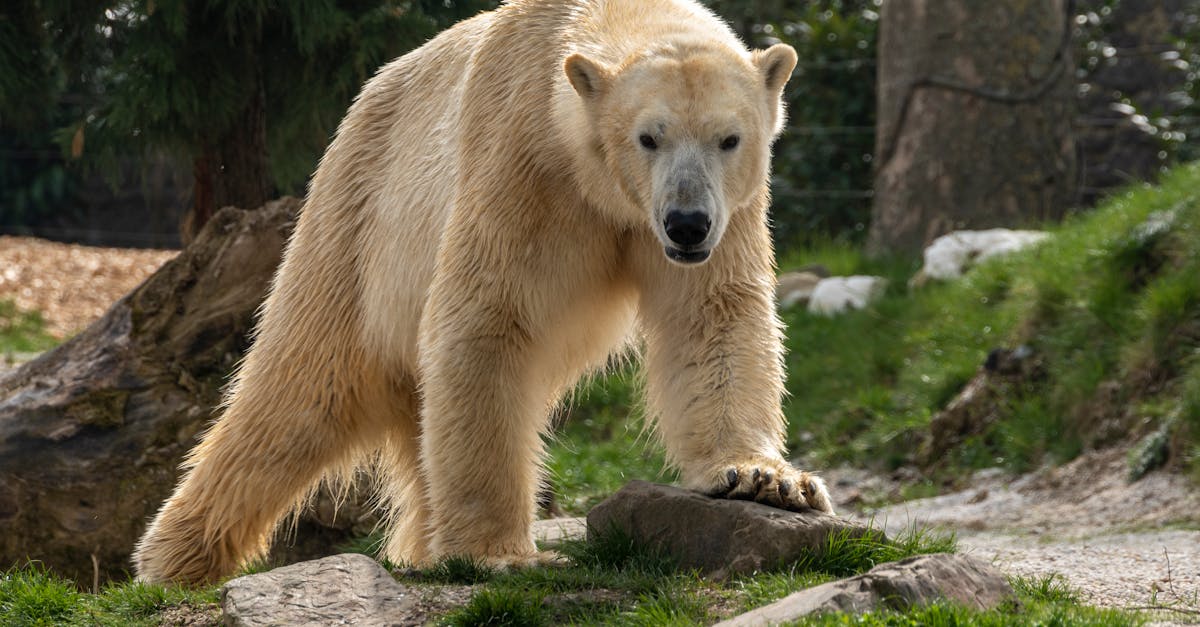
These rollbacks could also hinder efforts to protect species from the escalating impacts of climate change. For example, the polar bear was listed as threatened partly due to melting sea ice, and it received a large critical habitat designation. Experts like Andrew Mergen from Harvard Law School suggest such broad protections would likely be impossible under the new rules due to increased consideration of economic factors.
The administration's actions, coupled with significant staff cuts at agencies like the U.S. Fish and Wildlife Service, represent a serious threat to long-standing conservation efforts. The Fish and Wildlife Service lost 18 percent of its staff between 2024 and May, according to a recent analysis of federal data. This “multi-pronged attack” on the ESA’s effectiveness is pushing legal boundaries and will likely face court challenges, as noted by legal experts.