March Heat Shatters Records: What’s Next for California?

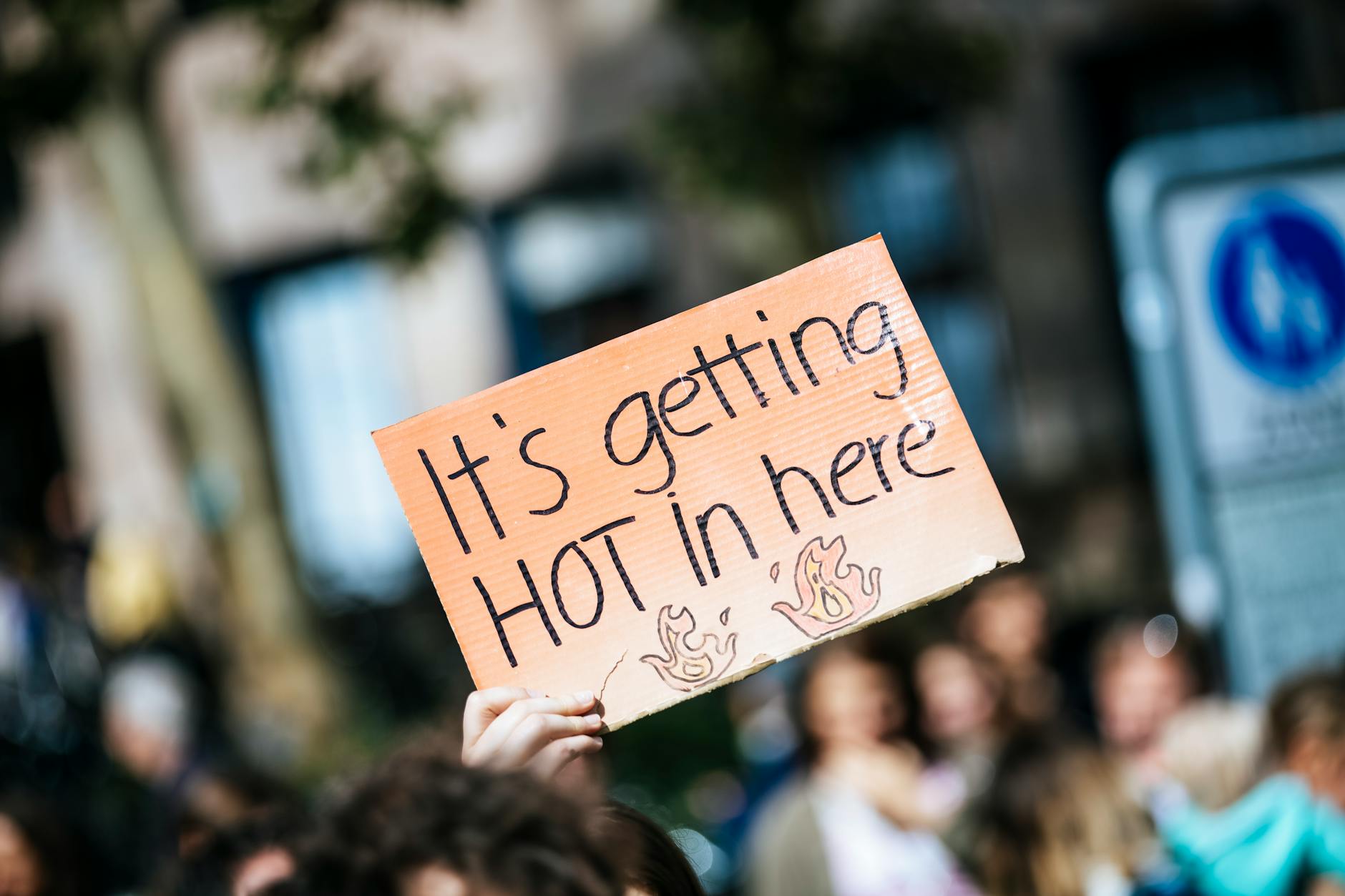
California is currently experiencing an unprecedented March heat wave, smashing temperature records across the state. This extreme weather event is more than just an unusually hot spell; it's a stark reminder of our changing climate. Experts warn that this heat, alongside recent intense rains and destructive wildfires, is part of a dangerous 'weather whiplash' pattern directly linked to global warming. Understanding these shifts is crucial as they reshape California's landscape and challenge communities.
Southern California recently endured its hottest March heat wave ever recorded, extending across a vast area from Canada to Mexico. This isn't an isolated event; it follows a period of destructive wildfires and the region's wettest holiday season in recent history, showcasing a worrying pattern of extreme weather.
UC climate scientist Daniel Swain highlights that these intense events — from severe heat and dryness to extreme wetness and wildfires — all clearly point to climate change. A warming atmosphere raises basic temperatures and makes heat waves more intense and longer-lasting, leading to more frequent and severe hot spells.
This unseasonable heat is already pushing parts of Northern California back into abnormal dryness, just months after the state achieved a drought-free status for the first time in 25 years. This rapid swing from very wet to very dry conditions is a hallmark of climate change.
While California's water reservoirs still hold significant reserves from recent wet winters, a sustained period of dryness could impact agriculture and increase wildfire risks. This 'weather whiplash' — where the atmosphere pulls more moisture from soil during dry periods but then releases more water during fewer, more intense rainstorms — creates a dangerous cycle. Lush growth from heavy rains quickly becomes abundant fuel for fires during subsequent dry, hot spells.
This pattern has already contributed to devastating fires in the past, and similar conditions are emerging in other Western states, with visible wildfire plumes appearing as early as mid-March. Though it's too early to predict California's full wildfire season, scientists are certain we will continue to see more extreme and unpredictable weather, underscoring the urgent need for climate action and sustainable solutions.