Maui Survivors Face A New Threat Years After Wildfires

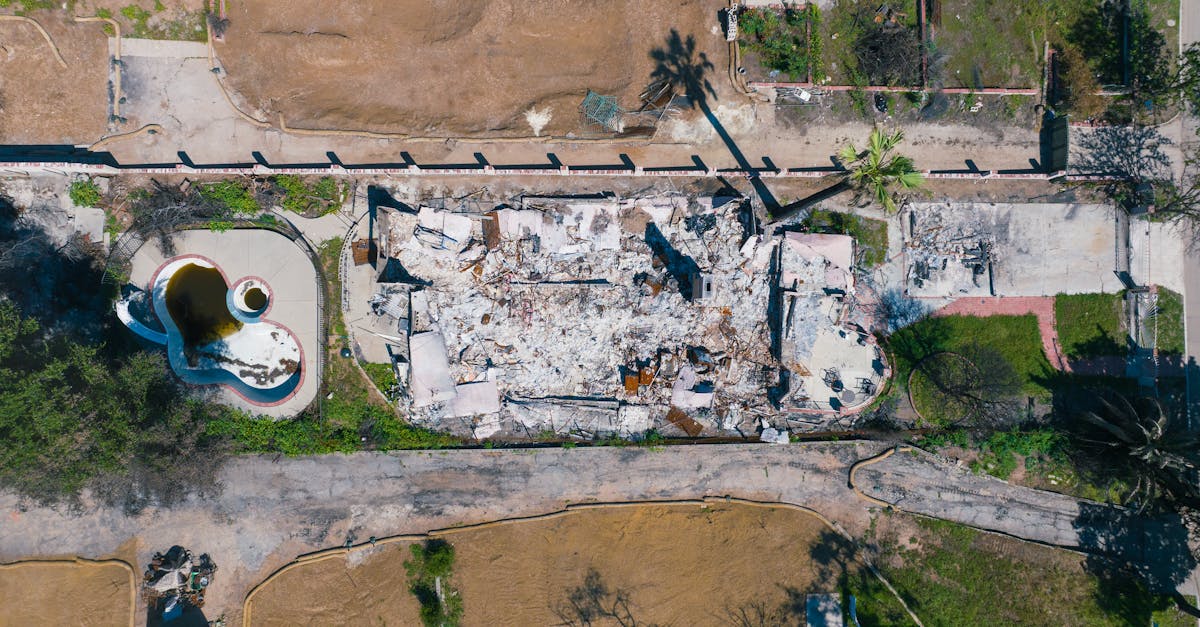
Three years after the devastating Maui wildfires destroyed Lahaina, survivors face a heartbreaking new challenge: widespread contractor fraud. Many who lost their homes, like Raquel Utrillo, have paid hundreds of thousands of dollars to unscrupulous builders who disappear or do shoddy work, leaving families stranded. This exploitation compounds the trauma of a climate-fueled disaster that displaced thousands and caused billions in damage. The slow pace of official action against these 'bad apples' prolongs suffering, highlighting the critical need for effective oversight in disaster recovery.
Raquel Utrillo's story is a stark example of the ongoing pain in Lahaina. Three years after her childhood home was incinerated by the devastating Maui wildfires, she struggles to return to her block. The contractor she hired to rebuild for $640,000 has vanished, leaving her family’s lot empty while neighbors have moved back into new homes. This isn't an isolated incident; dozens of Lahaina wildfire survivors have reported similar nightmares to officials and advocates.
Contractors, both licensed and unlicensed, have taken large sums of money, performed substandard work, or simply disappeared, leaving families in financial ruin and deeper emotional distress. This widespread fraud adds another layer of suffering to communities already grappling with the immense loss and trauma from the deadliest U.S. wildfire in a century, a disaster amplified by our changing climate.
Despite these rampant complaints, government agencies in Hawaii have been notably slow to act. An investigation by Inside Climate News and Honolulu Civil Beat found no criminal charges, license revocations, or fines against contractors for post-wildfire misconduct. While the Maui County prosecuting attorney's office states it's investigating, progress is slow, and police reports are often dismissed as civil matters. This inaction leaves vulnerable survivors feeling abandoned.
The conditions after the fires created a perfect storm for exploitation: a desperate need for rebuilding, a limited pool of legitimate contractors, and immense pressure from insurance deadlines and temporary housing issues. Survivors, often already traumatized and struggling, were easy targets. Community leaders like Archie Kalepa, a respected Native Hawaiian waterman who himself lost over $200,000 to an unlicensed contractor, warn that the problem is far larger than official reports suggest. Many are reluctant to come forward due to fear of retaliation or distrust in the system, especially among vulnerable populations like the Filipino immigrant community in Lahaina.
In contrast, other regions have shown it's possible to act swiftly. After the 2025 Los Angeles wildfires, authorities quickly formed a task force and conducted undercover operations, leading to felony charges against 16 unlicensed contractors within two months. This proactive approach underscores the difference strong, early inter-agency cooperation can make in protecting disaster victims and ensuring that rebuilding efforts contribute to a more resilient future.
Maui's Senator Angus McKelvey, who also lost his home, criticizes the Department of Commerce & Consumer Affairs (DCCA) for its bureaucratic hurdles and lack of decisive action. He plans to push for legislative changes to streamline the process and hold predatory contractors accountable. Organizations like PONO Legal and Ho‘ōla iā Mauikama are working tirelessly to provide legal aid and support to affected families, helping them navigate the complexities and find ways to finish rebuilding.
The importance of swift and just recovery from climate disasters cannot be overstated. As extreme weather events become more frequent, protecting survivors from further exploitation is crucial for community resilience and environmental justice. For families like Utrillo's, who lost everything to the flames and then to fraud, the path forward is daunting. Yet, their determination to rebuild and restore their homes, rooted in deep community and cultural ties, remains unbroken. It’s a powerful reminder that our collective actions, or inactions, profoundly shape the recovery of those on the front lines of climate change.