Mercedes-Benz Makes Major Shift in Europe: What It Means for EVs

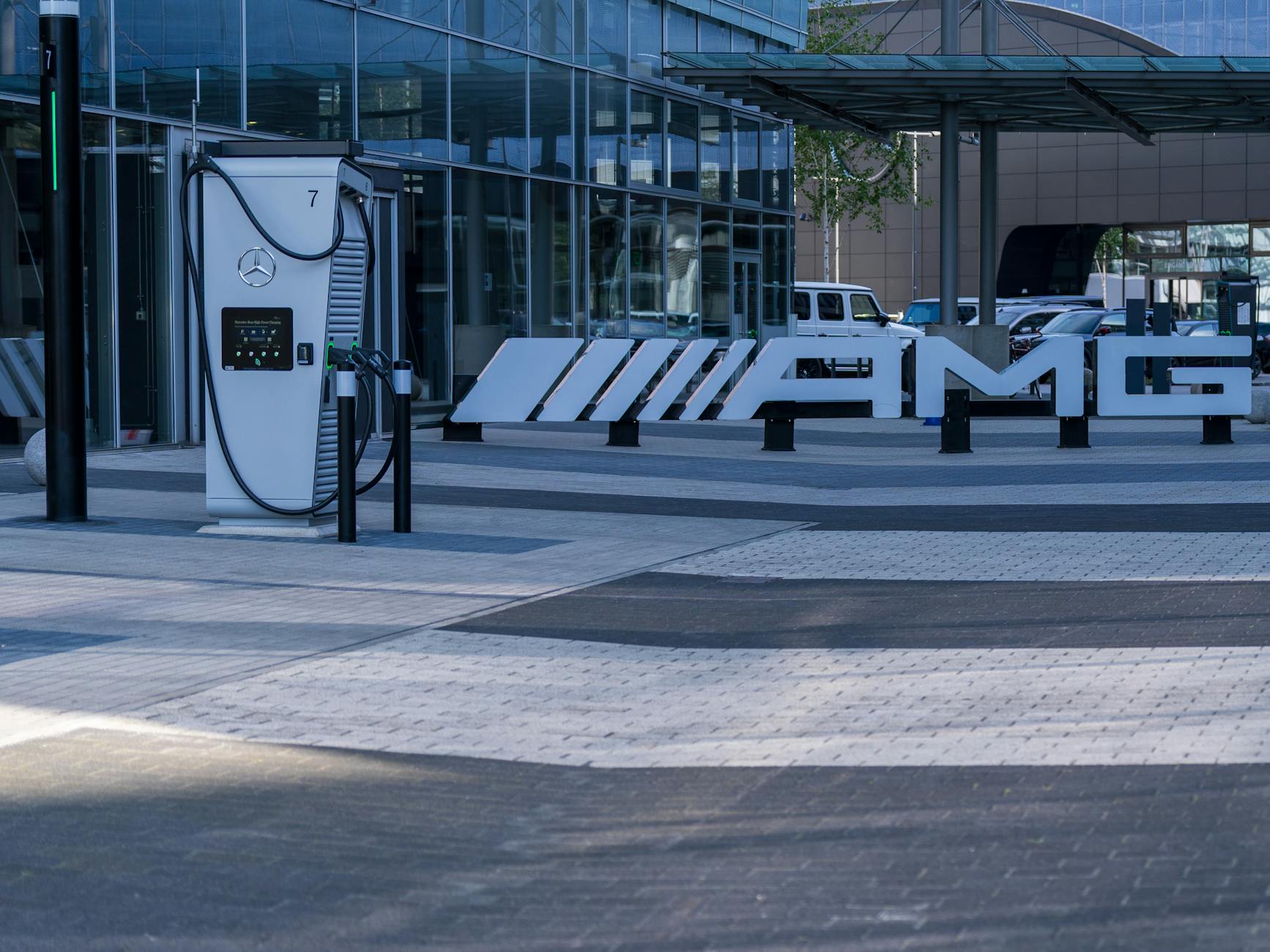
Mercedes-Benz has sold its European electric vehicle (EV) charging network to French operator Electra, marking a significant strategic shift. The move, disclosed in the automaker's third-quarter financial report, means Mercedes-Benz will now exclusively rely on partnerships for EV charging in Europe. This consolidation aims to enhance the charging experience for drivers and reflects a growing trend towards larger, integrated networks to support the accelerating shift to clean transportation.
The sale includes 374 fast-charging ports across 47 locations, now integrated into Electra's expanding network. The assets were valued at a substantial €99 million ($111 million), as reported by Electrive. This strategic decision allows Mercedes-Benz to focus on vehicle manufacturing while ensuring its EV drivers still have access to a robust charging infrastructure through premium partnerships.
Mercedes-Benz EV owners will benefit from discounted rates at over 5,000 Electra chargers across 800 locations in Europe. This approach leverages the strengths of dedicated charging providers, potentially leading to more efficient and widespread charging solutions. By working with established networks like Electra and Ionity, Mercedes ensures its customers continue to enjoy reliable service, crucial for encouraging wider EV adoption and reducing our reliance on fossil fuels.
The decision to sell appears driven by the economics of scale in the rapidly evolving EV charging market. Larger providers can better manage costs and expand infrastructure more efficiently, which is vital for building the comprehensive charging ecosystem needed to support a fully electrified future. This shift underscores the dynamic nature of the electrification journey, where collaboration and specialized expertise are increasingly important for sustainable growth.
While the European network has been sold, Mercedes-Benz's fast charging businesses in the United States and Canada remain unaffected, continuing to expand independently. This global, multi-pronged approach highlights the complexity of transitioning to electric mobility, but ultimately moves us closer to a cleaner, greener transportation landscape.