Miami faces a hidden $280 Billion threat. What happens next?

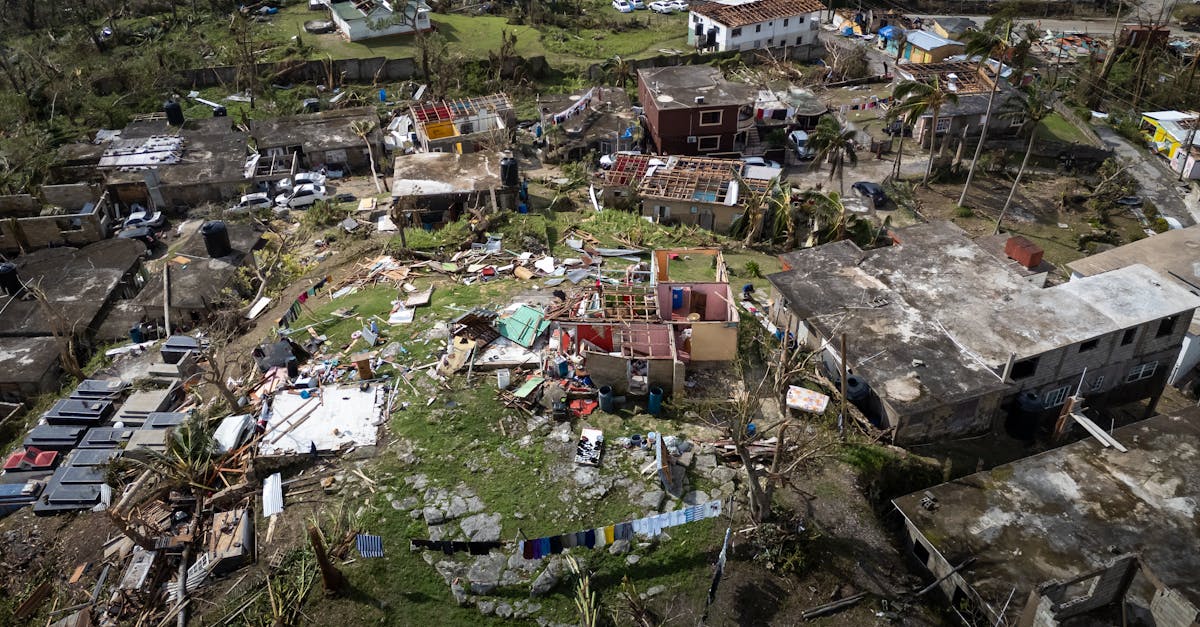
A devastating hurricane like the one that struck Miami in 1926 could unleash unprecedented economic chaos today, with estimated damages soaring past $280 billion. This staggering figure would make it the costliest weather disaster in history, far exceeding Hurricane Katrina. The dire forecast is driven by explosive population growth, extensive coastal development, and the intensifying impacts of climate change, including rising sea levels and more powerful storms. Urgent action is needed to prepare and mitigate future risks in vulnerable coastal communities.
In 1926, the Great Miami Hurricane ripped through South Florida, claiming hundreds of lives and plunging the region into an economic downturn years before the Great Depression hit the rest of the nation. It left an indelible mark, shaping local history.
Today, a similar storm would be far more catastrophic. Since 1926, Miami-Dade County's population has surged 23-fold, and housing units have multiplied by 41. This vast increase in coastal development means exponentially more property is exposed to potential damage. Experts estimate that if the 1926 hurricane were to strike today, the total economic damage in South Florida alone could reach $218 billion, even before accounting for crucial factors.
However, this initial estimate doesn't fully capture the picture. While improved building codes and hurricane forecasts could reduce some damage, the impacts of climate change present a severe underestimation. Sea levels at the Miami tide gauge have risen over a foot since 1931. This seemingly small increase means that the 1926 storm's nine-foot tide would easily exceed ten feet today, flooding more extensive areas. Just a few extra inches of storm surge can rapidly escalate damages once critical thresholds are breached, as demonstrated by Hurricane Sandy, where a small sea-level rise accounted for billions in extra costs 2021 paper. Furthermore, climate change is making hurricanes wetter and slower-moving, significantly increasing rainfall and the risk of devastating compound flooding, where storm surge meets heavy rain.
Sophisticated catastrophe models from the insurance industry offer a more accurate, alarming view. Verisk Catastrophe and Risk Solutions, for example, estimates a repeat 1926 hurricane would cause $230 billion in insured losses, with over $220 billion in Florida alone. Adding uninsured damages and public infrastructure costs, the total could easily surpass $280 billion, firmly placing it above Hurricane Katrina's $213 billion cost as the most expensive weather event globally Climate Central.
Such a disaster would not only devastate homes and livelihoods but could also trigger a severe downward spiral for Florida’s economy. Insurance premiums could skyrocket by 60% or more, making homeownership unaffordable for many and leading to mortgage defaults. The state's real estate and tourism markets, crucial pillars of its economy, would face multi-year losses. This could stress municipal bond markets and even lead to a significant population decline, effectively cleaving Florida's history into a 'before' and 'after,' much like the 1926 storm. Unlike past economic crises, this one would be fueled by underlying climate change impacts that are only worsening, underscoring the urgent need for sustainable solutions and collective climate action.