Miami's $7 Billion Flood Fix: Why It Might Fall Short

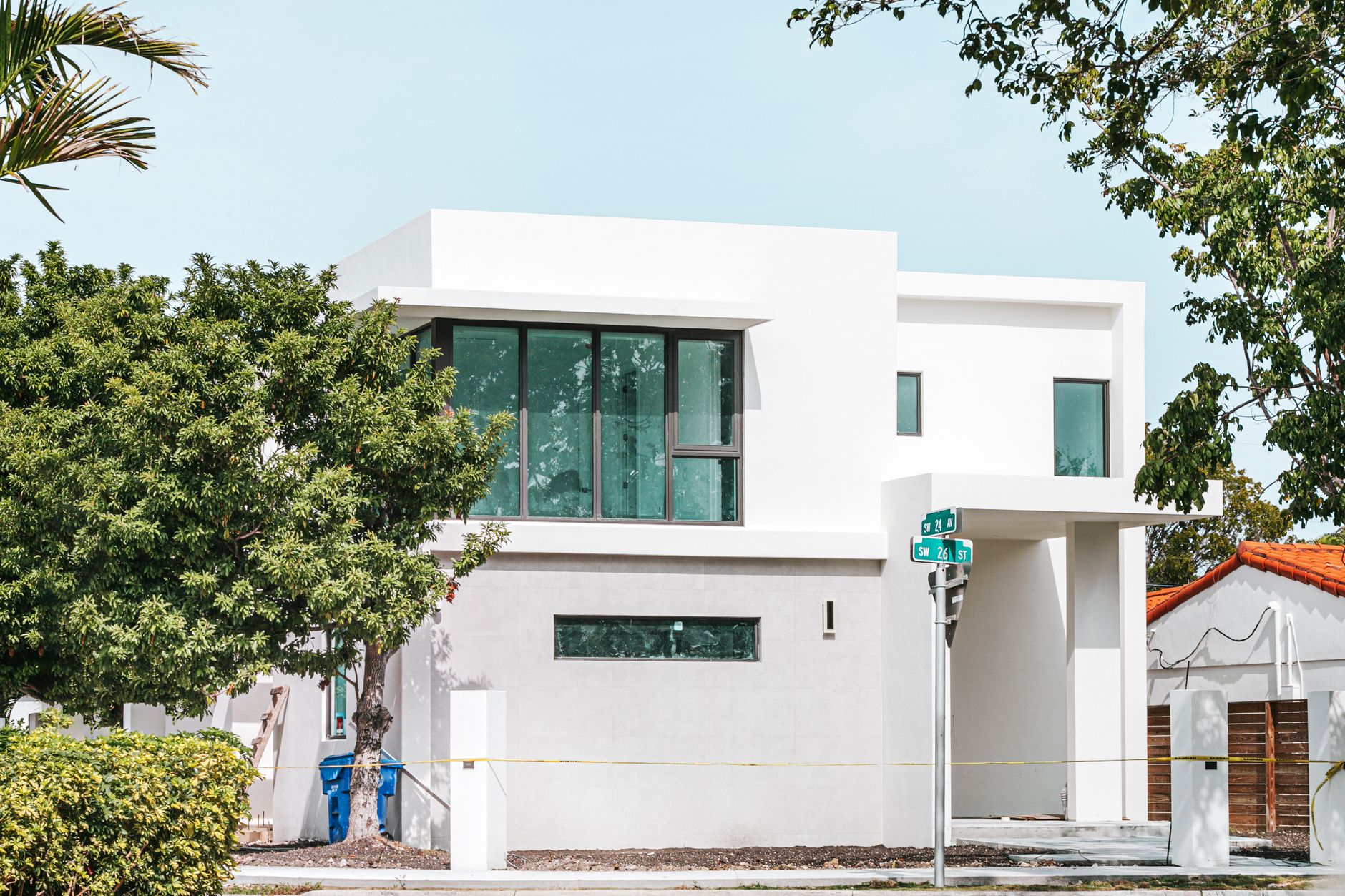
Miami is already experiencing severe flooding from king tides, a stark reminder of the escalating threat posed by rising sea levels. In response, the federal government has proposed an ambitious multibillion-dollar plan to elevate thousands of homes across Miami-Dade County. This critical effort aims to protect communities from increasingly frequent and intense deluges driven by climate change. However, experts and past experiences suggest that widespread public participation—essential for success—may be difficult to achieve, raising serious doubts about the plan's effectiveness.
The U.S. Army Corps of Engineers unveiled a massive $7 billion project to elevate nearly 5,300 homes and buildings in Miami-Dade County, with the federal government covering two-thirds of the cost. Starting in 2032 and spanning 15 years, this initiative targets areas like Aventura, Miami Beach, and Homestead, aiming to lift homes up to 12 feet off the ground. This drastic measure is a direct response to the escalating threat of sea level rise, which is making Miami-Dade's already vulnerable coastal regions even more susceptible to devastating floods.
Miami is uniquely exposed to rising waters, not just from the Atlantic Ocean and Biscayne Bay, but also from its porous limestone bedrock which allows saltwater to intrude from below. Recent "king tides" have already caused significant street flooding, demonstrating how rapidly climate change is impacting daily life. Experts warn that sea level rise intensifies storm surges during hurricanes and lengthens tidal flooding events, making proactive adaptation absolutely vital to protect homes, infrastructure, and the region's main drinking water source, the Biscayne aquifer.
Despite the urgent need, similar large-scale home elevation projects in New York City and Louisiana have struggled with low participation. Challenges included lengthy approval processes, the need for homes to meet strict building codes, and the significant burden of temporary relocation for homeowners, often lasting years. These factors led many residents to withdraw, with only a fraction of the initially targeted homes ultimately being elevated. Cornell University assistant professor Vivek Srikrishnan noted that a "substantial barrier to entry" exists even before considering delays or trust issues with government programs.
For Miami residents, particularly those with lower incomes, additional obstacles exist, such as the cost of necessary pre-elevation repairs for issues like termites or structural damage. Temporary relocation expenses can also be prohibitive. Currently, public awareness of the Miami plan seems low, with very few comments received during the initial public feedback period. This lack of engagement, coupled with past difficulties, raises concerns about achieving the broad community participation necessary for the project to genuinely succeed and make a lasting difference against climate impacts.
Elevating homes is just one part of a wider strategy. The Corps also plans to floodproof essential infrastructure like police and fire stations and integrate nature-based solutions, such as planting mangrove trees to create natural buffers against rising waters. While ambitious, the success of any climate adaptation plan hinges on strong community involvement and innovative solutions. As Miami navigates its future, it's clear that sustained, collective action and credible, well-supported strategies are paramount to building resilience against the unavoidable realities of global warming.