Miami's Driverless Future: One Detail Changes Everything

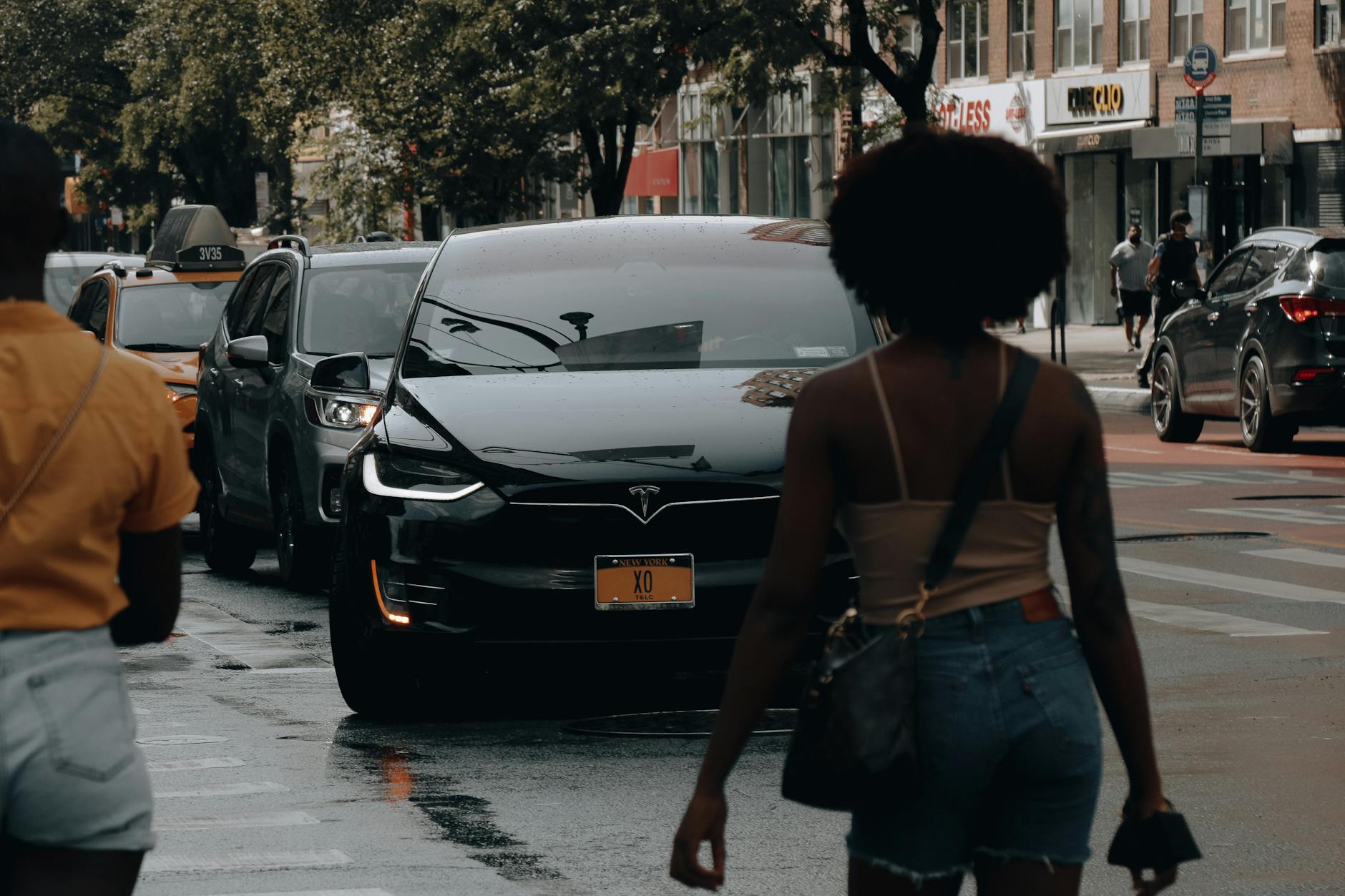
Tesla has officially confirmed a game-changing detail about its new Robotaxi service in Miami: the vehicles are operating entirely without human supervision. This marks a significant leap in autonomous technology, as the electric fleet navigates busy city streets relying solely on its advanced AI. Launched recently in Florida, this initiative signals a shift towards a cleaner, more efficient urban transit future, potentially reducing congestion and emissions by promoting shared electric mobility. While challenges remain, Miami's debut showcases remarkable progress in transforming electric vehicles into fully autonomous, revenue-generating solutions, bringing driverless transportation from concept to daily reality. This step forward highlights the accelerating drive towards sustainable, electrified transport.
Tesla has officially confirmed a crucial detail about its new Robotaxi service in Miami: these electric vehicles are operating entirely unsupervised. This means the cars navigate Miami’s bustling streets using only Tesla's advanced Full Self-Driving technology, without human safety drivers or remote oversight. It’s a significant leap, making Miami the second major U.S. city after Austin to launch fully driverless Robotaxi rides from day one.
The Miami launch, in a key tourist destination, offers a unique proving ground for this cutting-edge electric technology. The service, which began on June 3, is rolling out cautiously in a specific 10–14 square mile area of western Miami-Dade County. While Tesla has not disclosed the exact fleet size, reports from *The Road to Autonomy* suggest a staging area near the airport holds many electric vehicles, hinting at rapid expansion. This careful, data-driven approach aims to ensure safety and refine the system in real-world conditions, including busy traffic and varying weather.
This milestone highlights the remarkable progress in AI, demonstrating that sophisticated neural networks can handle complex urban environments. It also powerfully underscores the environmental advantages of electrification and shared mobility. Autonomous electric fleets have the potential to significantly reduce individual car ownership, lower carbon emissions, and make urban travel much cleaner and more efficient. This progression is vital for creating a sustainable future in our cities.
While challenges like public trust and regulatory oversight persist, Miami’s unsupervised operation marks a pivotal technical achievement. It brings Tesla’s vision of transforming vehicles into smart, self-driving electric solutions closer to reality, actively helping to reshape urban mobility towards a more environmentally friendly and efficient future for all.