Miami's Forgotten Fury: The Storm That Changed a City Forever

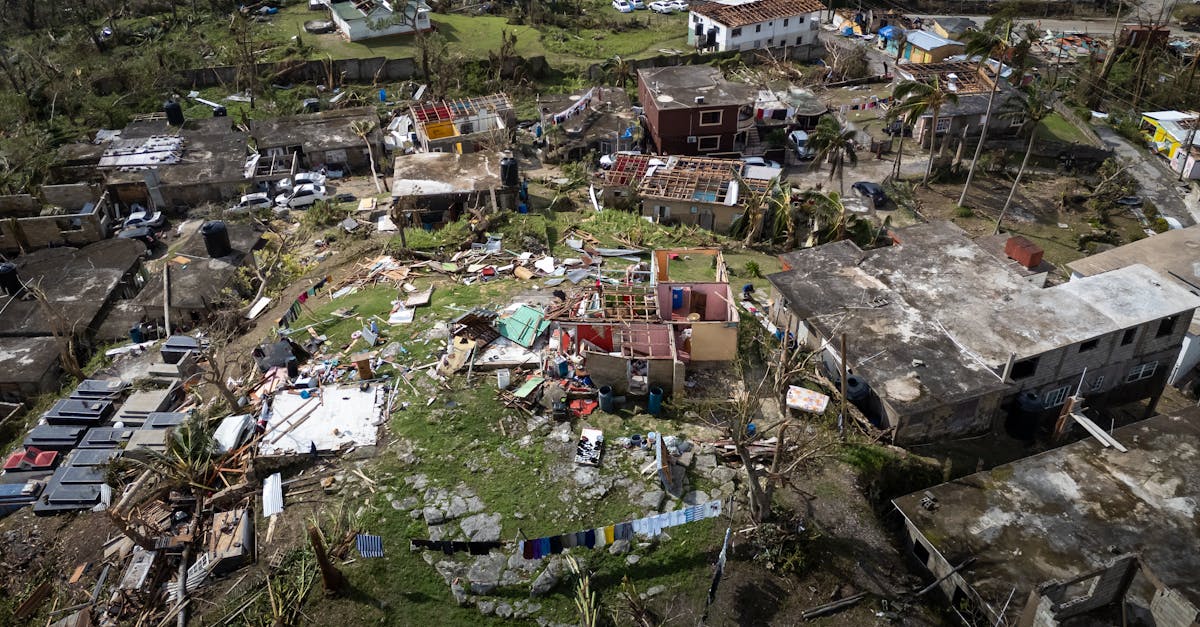
The Great Miami Hurricane of 1926 was a devastating Category 4 storm that caught South Florida largely by surprise a century ago. On September 18, its massive eye, 30-40 miles wide, made landfall, bringing 145 mph winds and an unprecedented storm surge. This catastrophic event resulted in significant loss of life, widespread destruction, and plunged Miami into an economic downturn years before the Great Depression. Reflecting on this historical disaster offers crucial lessons for today, especially as coastal communities face increasing threats from extreme weather in a changing climate.
A century ago, South Florida awoke to a beautiful September day, unaware of the immense danger rapidly approaching. Despite a small newspaper mention, many residents, new to the booming city, had never experienced a hurricane and received little warning. By late evening, the only sign of trouble was a falling barometer. The Category 4 hurricane struck overnight, its powerful winds and crashing waves waking an unprepared population.
The hurricane’s eye, a vast 30 to 40 miles wide, made landfall south of downtown Miami early on September 18. This colossal storm brought sustained hurricane-force winds across nearly 150 miles of coastline, far wider than even powerful storms like Hurricane Andrew in 1992. The timing of its arrival with high tide generated the largest storm surge ever recorded in Miami Beach, pushing ocean water far inland.
What followed was twelve hours of terror. After an initial six-and-a-half-hour onslaught, the winds abruptly died down as the eye passed over. Many people mistakenly believed the storm was over and ventured outside, only to be caught by the "second storm" — the powerful winds returning from the opposite direction as the back wall of the eye hit. This second phase proved even more destructive. The ocean surged, depositing boats two blocks from the bay and sending an 11-foot wall of water up the Miami River.
The human cost was immense, with 220 lives lost in southeastern Florida and another 150 around Lake Okeechobee, where dikes failed. Thousands were injured and tens of thousands left homeless. The economic damage, estimated at $2 billion in today's money, was catastrophic, leading to a profound downturn that forced many residents to leave. This historic event even gave the University of Miami its "Hurricanes" football team name, a lasting reminder of its power.
Comparing the 1926 hurricane to more recent events like Category 5 Hurricane Andrew shows just how exceptional it was. Despite Andrew's intensity, its smaller size meant its most extreme winds missed downtown Miami, while the 1926 storm packed roughly four times more energy at landfall, according to hurricane scientist Brian McNoldy's analysis. Revisiting such a powerful event a century later underscores the importance of strong communities, robust infrastructure, and informed climate action as we navigate a future where extreme weather events may become more frequent and intense. Understanding history helps us prepare better for what lies ahead and protect our vulnerable coastal areas.