Michigan's Climate Crossroads: Pipeline Permits Amidst Wildfire Smoke

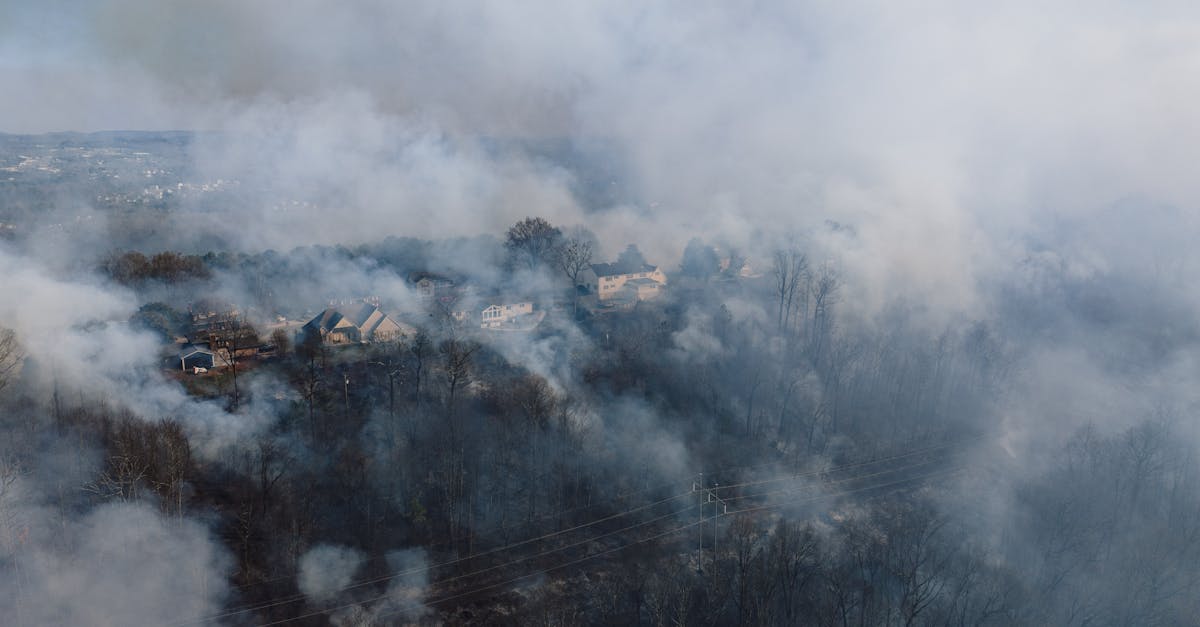
On a day when wildfire smoke choked the Michigan skies, the Bay Mills Indian Community faced a stark paradox: state approval for oil pipeline expansion. While President Whitney Gravelle distributed air purifiers due to climate-fueled fires, Michigan greenlit permits for Enbridge's Line 5 tunnel, potentially locking in fossil fuel infrastructure for another century. This decision clashes with Michigan's clean energy goals and deeply concerns Indigenous communities, who warn of catastrophic oil spill risks to the sacred Great Lakes and call for urgent climate action.
Whitney Gravelle, president of the Bay Mills Indian Community on Lake Superior, spent a July day in 2026 scrambling to clear wildfire smoke from tribal buildings. She helped community members with respiratory issues, crafting homemade air purifiers as smoke from intense Canadian and Minnesota wildfires, made three to five times more likely by climate change Climate Central, blanketed the region. On that very same day, Michigan granted key permits for Enbridge to build a tunnel for its Line 5 pipeline under the Straits of Mackinac. This pipeline, if fully approved, could operate for another 99 years, deeply concerning those who believe it betrays climate commitments.
The Bay Mills Indian Community, along with all other Michigan tribes and climate groups, has fought to shut down Line 5 for over 15 years. They argue the 73-year-old pipeline, which crosses the vital Straits of Mackinac connecting Lake Michigan and Lake Huron, poses extreme risks to sacred, fragile, and economically crucial ecosystems. The memory of the 2010 Line 6B spill, one of the largest inland oil spills in U.S. history Inside Climate News, still looms large. Experts from the University of Michigan warn that strong, changing currents in the Straits make it the "worst possible place for a Great Lakes oil spill," which would be incredibly difficult to contain, especially under winter ice University of Michigan researchers.
Opponents aren't just against the tunnel; they want the entire pipeline shut down, noting over 1.1 million gallons of oil have spilled from Line 5 in the last 50 years MLive. Just recently, Enbridge spilled drilling fluid into sensitive wetlands in Wisconsin during a separate Line 5 project Jsonline. This continued investment in fossil fuel infrastructure directly conflicts with Michigan's goal of 100% clean energy by 2040, trapping the state in a climate-harming cycle.
While Enbridge states the tunnel would make Line 5 safer, recent legal rulings have vacated previous permits, with the Michigan Supreme Court ruling the environmental impacts weren't fully considered BridgeMI. Legal challenges to the newest permits are expected. Leaders like Whitney Gravelle feel that state and federal officials, including Michigan Governor Gretchen Whitmer and President Joe Biden, have missed opportunities to support climate action and Indigenous rights by not shutting down Line 5 Tlaib.house.gov. They highlight that the powerful influence of oil companies often outweighs environmental concerns.
The Bay Mills Indian Community, for its part, is actively moving towards a cleaner future. They've installed heat pumps and solar panels on tribal buildings and are building a $17 million solar farm, demonstrating a clear path away from fossil fuels. This commitment to sustainable solutions stands in stark contrast to decisions that prolong reliance on oil.
For Indigenous communities, the fight against Line 5 is deeply rooted in treaty rights and ancestral connections. The pipeline crosses land ceded to the U.S. government with the understanding that tribes would retain "the usual privileges of occupancy," which means maintaining their Indigenous way of life connected to the Great Lakes. No tribes were consulted in Line 5's original creation. The Great Lakes are their home, and a spill would devastate their cultural heritage and survival. This struggle is not just about a pipeline; it’s about sovereignty, protecting vulnerable frontline communities, and ensuring a healthy planet for future generations.