Midwest's Forest Fires: What's Driving This Unexpected Crisis?

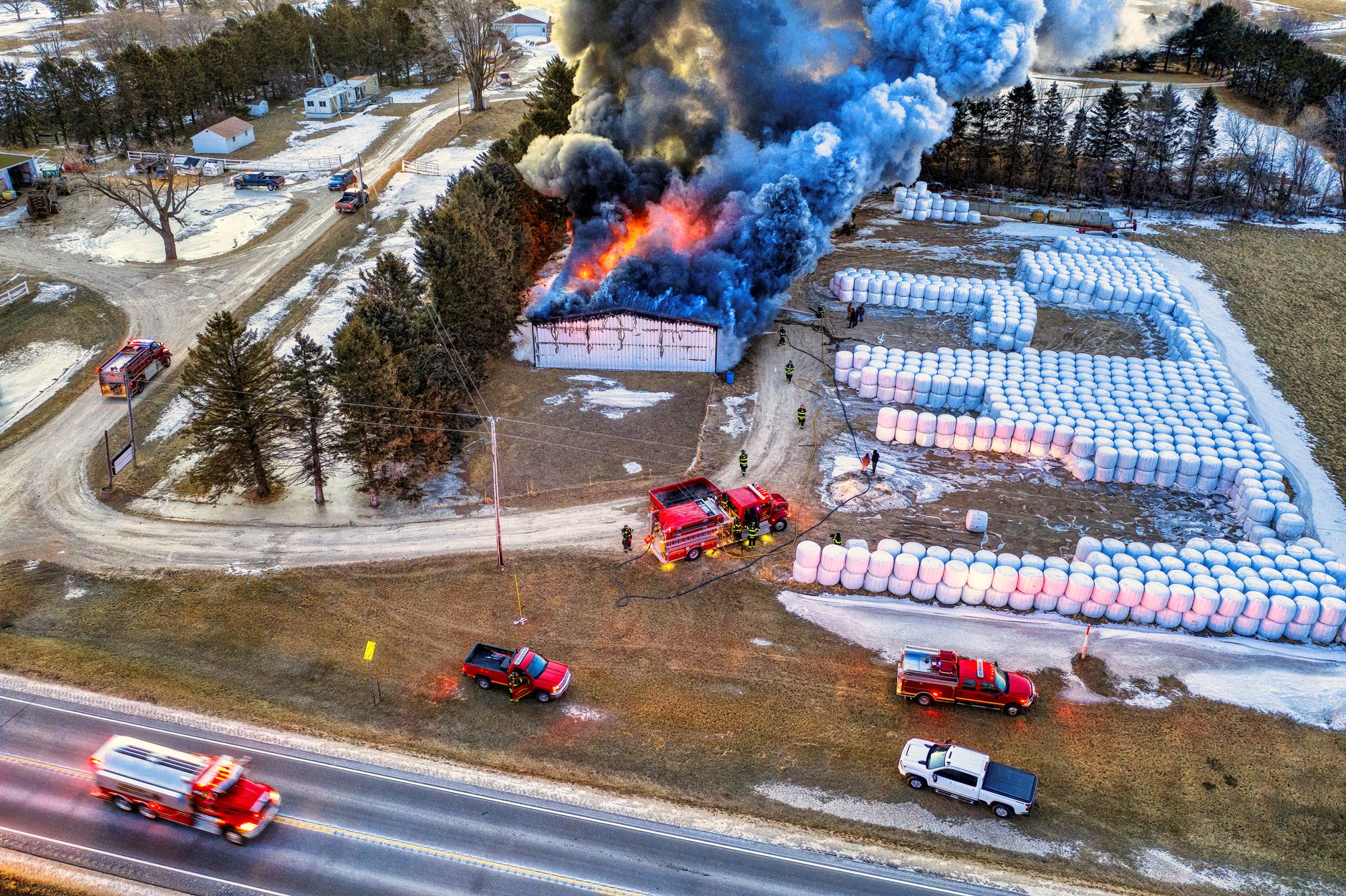
The Midwest, traditionally spared from the large-scale wildfires seen in the West, is now facing a significant and growing threat. Recent infernos in northern Minnesota and Canada’s boreal forest highlight a disturbing trend: climate change is intensifying extreme weather, creating perfect conditions for destructive blazes. This shift means longer fire seasons and more frequent, larger fires, fundamentally altering the region's landscape. Experts warn that this emerging crisis underscores the urgent need for action against global warming.
This past summer, northern Minnesota's boreal forest, bone-dry from flash droughts and unusual warmth, erupted into flames after 700 lightning strikes. The fires raged for two months, scorching 64,000 acres, while even larger blazes consumed 730,000 acres in Canada, forming a "300-mile wall of fire." While the Western U.S. is known for wildfires, these extreme conditions are now flaring up in unexpected parts of the country.
Human-caused global warming is amplifying the extreme weather that fuels these fires. Wildfires in boreal forests are becoming more frequent and burning more land than in the late 20th century, a pattern accelerating rapidly in recent years. Researchers and government climate reports expect this risk to increase across Midwestern forests, which cover nearly 91 million acres according to the U.S. Forest Service. Longer warm periods, higher temperatures, and sudden droughts after intense rains—a phenomenon dubbed "hydroclimate whiplash"—are all contributing factors. A warmer atmosphere also leads to more lightning, which ignites dry fuels like downed trees, extending the "fire season" beyond historical norms.
Historically, Indigenous people managed coniferous forests in areas like Minnesota with controlled burns. European settlement, however, led to fire suppression and a shift to less flammable tree species. Now, more combustible conifers are returning, and the fire frequency is increasing. Experts question if this will surpass historical norms due to climate change.
Even in southern Midwest regions like Iowa and Ohio, where more moisture-retaining deciduous trees are common, hotter, drier conditions could turn these areas into a tinderbox. Though modern monitoring and communication have improved since the devastating Peshtigo Fire of 1871—one of the largest in U.S. history—managers are actively working to mitigate risks. This includes using fire-safe building materials and addressing areas where human development meets wildlands.
Prescribed burns, conducted by a growing number of associations, are crucial for reducing the risk of uncontrolled mega-fires. These intentional, low-intensity burns also help forests adapt to climate change by eliminating pests that thrive in warmer conditions, like ticks and spruce budworms. While we can't burn our way out of the larger climate problem, these efforts contribute to more resilient ecosystems. However, in regions like Minnesota's boreal forest, a continued increase in fire frequency due to warming could eventually transform the landscape once again, shifting it from conifer-dominant back to aspen and birch. The urgency of climate action is clear, as our planet's forests face a rapidly changing reality.