Midwest Wilderness Faces Urgent Threat: What's at Stake?

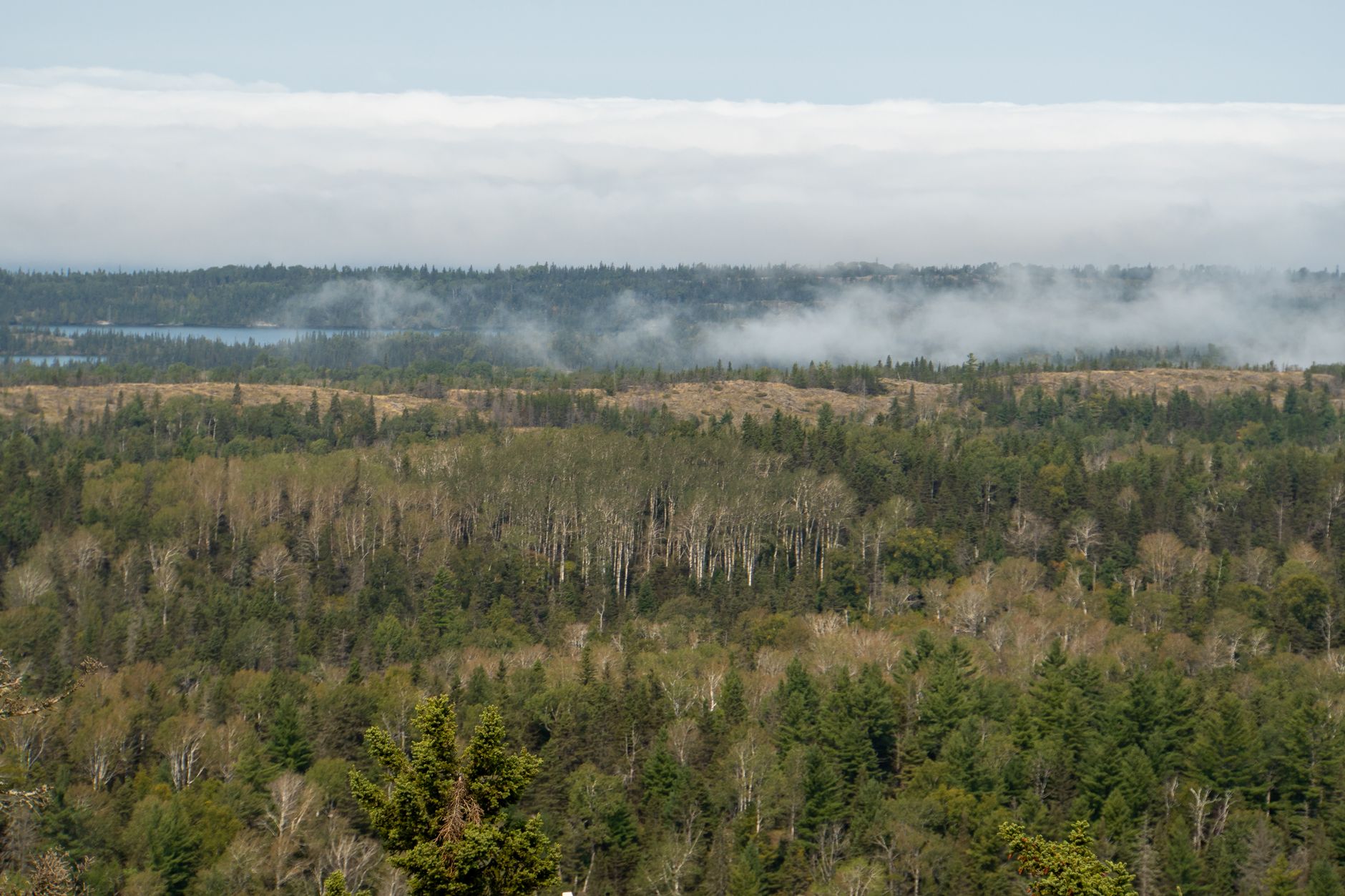
The U.S. Forest Service has formally proposed repealing the 2001 Roadless Rule, which currently safeguards nearly 59 million acres of national forest from logging and road construction. This move directly threatens crucial wilderness areas, particularly in the Midwest, including Michigan's Norwich Plains, home to endangered species and vital ecosystems. Environmental groups and experts are raising alarms, emphasizing the serious environmental impacts this change could bring to our natural heritage and urging public action to protect these irreplaceable landscapes.
Michigan's Norwich Plains, a vast stretch of old-growth forest in the Upper Peninsula, is a haven for eastern gray wolves and American martins, with clear trout streams and beaver ponds. For decades, federal protections have preserved this remarkable area, but now its future is uncertain.
On August 18, the Secretary of Agriculture announced a proposed rule to rescind the 2001 Roadless Rule, which protects millions of acres of forest across the country from new roads and timber harvesting. While the rule covers nearly 59 million acres nationwide, only about 512,000 acres are in the Midwest, making these remaining pristine areas exceptionally valuable due to historical logging in the region.
This proposal follows an earlier announcement and a public comment period that drew over 600,000 responses, largely opposing the repeal and highlighting the critical importance of these roadless areas. Despite this widespread opposition from environmental groups and tribal organizations, the U.S. Department of Agriculture (USDA) moved forward with the official proposal, initially giving the public just 30 days to comment, later extending it to October 6, 2026. You can submit comments at regulations.gov.
Experts argue that the USDA's draft environmental impact statement supporting the repeal is flawed and contradictory. For instance, the USDA claims repealing the rule would improve forest health and reduce wildfire risk. Yet, the same statement admits that new roads actually increase human-caused fire ignitions and can lead to sedimentation, water quality issues, habitat fragmentation, and harm to endangered species. This contradicts the very justification for the repeal.
Another point of contention is the USDA's argument for increased local control over forest management, which appears to conflict with executive orders mandating increased timber production. Critics argue the agency cannot simultaneously advocate for local decision-making and impose top-down directives to expand logging.
Furthermore, the idea that more timber is needed from national forests is being questioned. Conservation groups like the Environmental Law and Policy Center (ELPC comments) and Trout Unlimited point out that the Midwest already has an ample timber supply. Some areas even struggle to attract bids for existing logging projects. Opening up roadless areas to logging could cause irreversible damage to rivers, streams, and fish populations, with significant environmental costs potentially outweighing any limited economic gains. These areas are irreplaceable parts of our natural heritage, and their protection is vital for our planet's health.