Millions Face Unseen Danger in Daily Drinking Water [Health Data]

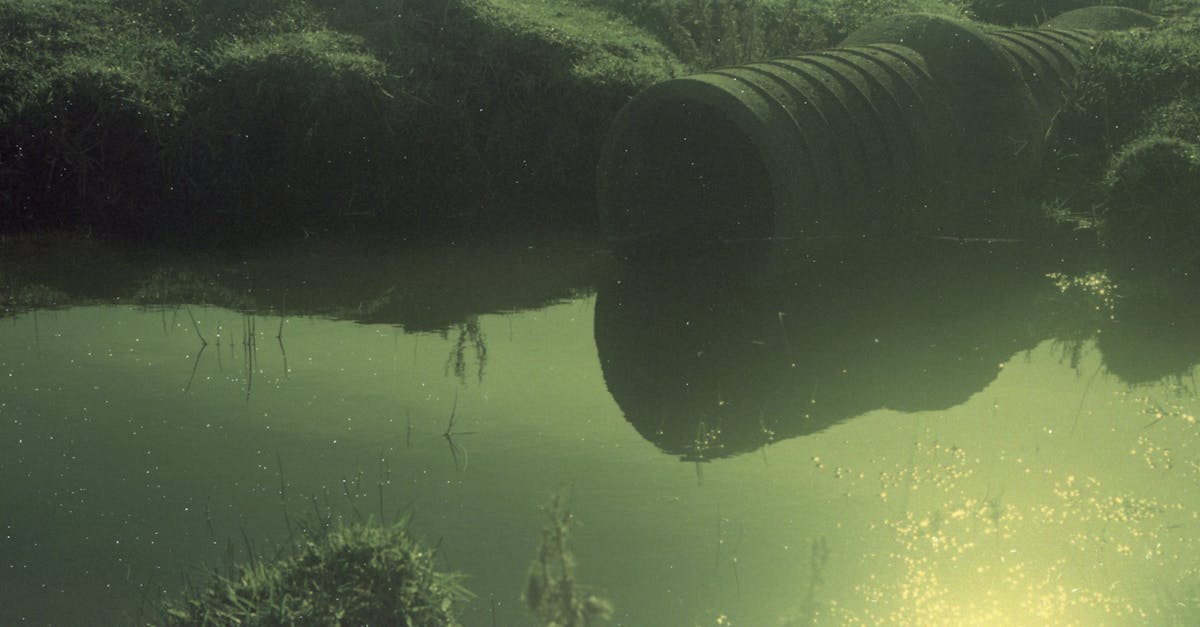
New research reveals that nearly one-fifth of Americans, or over 62 million people, are regularly exposed to drinking water with dangerously high levels of nitrates. This widespread contamination, primarily stemming from agricultural runoff like fertilizers and animal waste, poses serious health risks including various cancers and birth defects. While current legal limits are outdated, advocates are pushing for stricter regulations to protect public health. This situation highlights an urgent need for sustainable farming practices and stronger environmental safeguards.
A recent review by the Environmental Working Group (EWG) found that from 2021 to 2023, 6,114 public water systems across the United States contained elevated nitrate levels, impacting 18 percent of the population – over 62 million people. While the government's legal limit for nitrates in water was set decades ago at 10 milligrams per liter, newer studies show that even levels as low as 5 milligrams per liter can be linked to serious health issues, including colorectal cancer, thyroid disease, and birth defects. This growing understanding underscores why our current standards need urgent reevaluation to better protect families.
The primary source of this widespread nitrate pollution is agriculture. Fertilizers used for crops and manure from large concentrated animal feeding operations (CAFOs) seep into groundwater and flow into waterways. This problem is particularly severe in areas with many CAFOs; a Yale University study, for instance, found a clear link between proximity to these operations and increased cancer rates in major farming states like California, Iowa, and Texas, with contaminated water being a key factor. This highlights the critical need for more sustainable farming methods.
Places like Garden City, Kansas, show just how dire the situation can be, with nitrate levels reaching 37 milligrams per liter – four times the legal limit. In Kansas, a state heavily reliant on agriculture, nearly one in three residents are exposed to these elevated levels, and most of its waterways are impaired by nitrates. Local advocates are pushing back against new feedlot proposals, questioning why further expansion is allowed in already saturated areas.
To make matters worse, climate change is intensifying the problem. Prolonged droughts cause nitrates to build up in the soil, and when rain finally comes, it washes these concentrated pollutants directly into our drinking water sources. This creates a challenging cycle: agricultural practices contribute to greenhouse gas emissions, worsening climate change, which then exacerbates the nitrate pollution crisis. Addressing climate change and promoting sustainable land use are vital for breaking this cycle.
Currently, key legislation like the Farm Bill is under review by the House of Representatives. Proposed cuts of nearly $1 billion to the Environmental Quality Incentives Program (EQIP), a program designed to help farmers adopt conservation practices, would severely hamper efforts to reduce nitrate pollution. Protecting and enhancing such programs is essential for implementing solutions that safeguard our water and environment for future generations.