Millions of U.S. Students Miss School: What's Fueling the Closures?

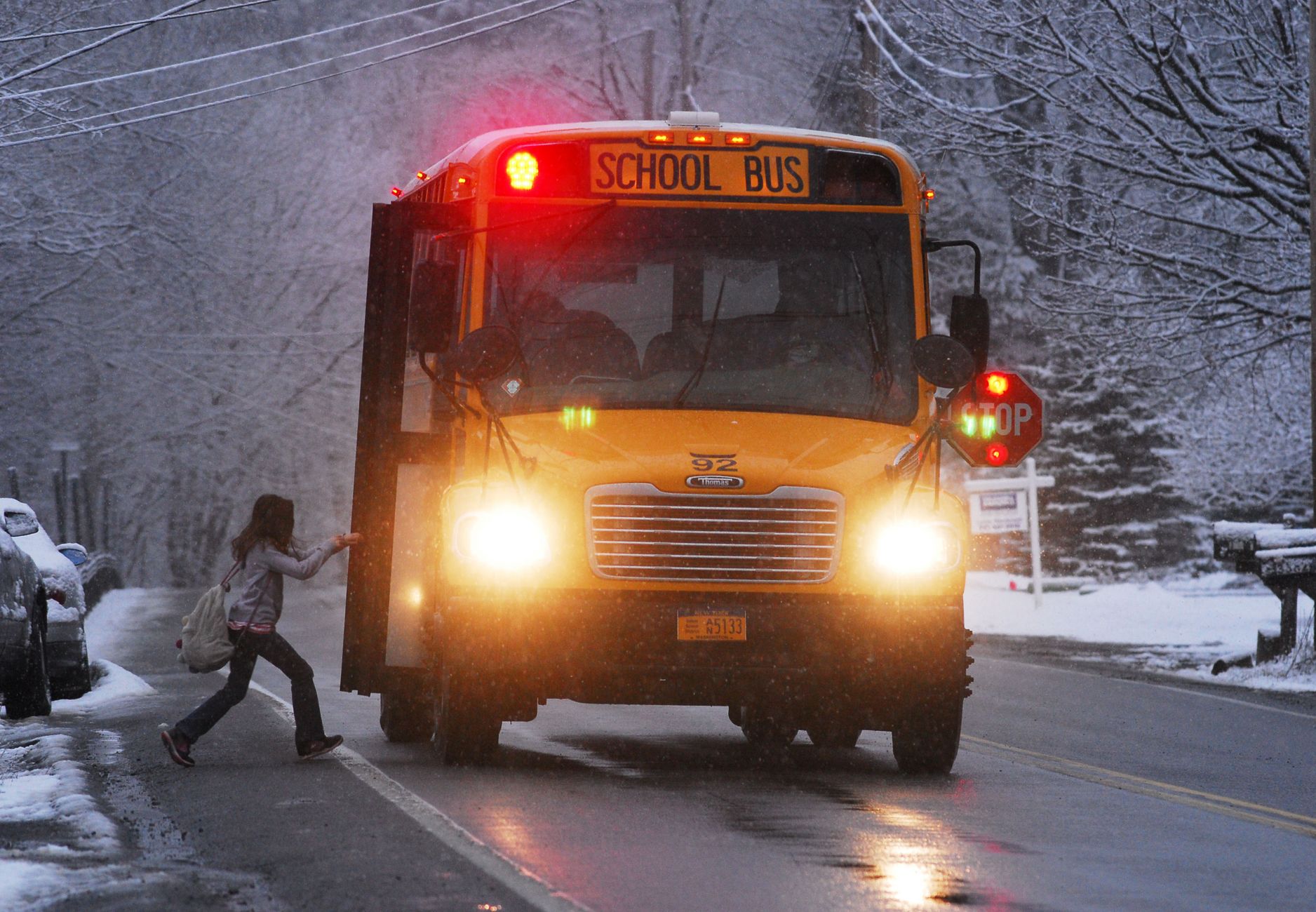
Extreme weather, intensified by climate change, is increasingly disrupting education across the United States. In the 2024-2025 school year alone, a staggering 9 million students lost valuable learning time due to school closures, delays, or early dismissals. From harsh winter storms and floods to suffocating wildfire smoke and heat waves, these events highlight how our changing climate directly impacts daily life. Beyond academic setbacks, these disruptions place burdens on families, affecting parents' work schedules and access to crucial school meals.
The widespread impact of extreme weather on American schools is a growing concern. Conditions such as hurricanes, floods, heavy snow, freezing temperatures, intense heat waves, and wildfire smoke are increasingly forcing educational institutions to shut down. This isn't just about a lost day of classes; it’s a symptom of a broader issue that demands our attention.
Jonathan Klein, CEO of the climate and education nonprofit UndauntedK12, points out that many schools, especially in cooler regions, were built without air conditioning and are now struggling to cope with rising temperatures. His organization meticulously tracks these disruptions, revealing the scale of the challenge.
For example, in California this past year, students collectively lost an estimated half-million hours of instruction. When schools close, the ripple effects extend far beyond the classroom. Parents may have to miss work to care for children, and many families rely on school programs for daily meals, adding another layer of hardship. Addressing the root causes of climate change and investing in resilient, sustainable infrastructure for our schools is crucial to protect both education and the well-being of our communities.