Millions Unprotected: The Growing Flood Crisis America Overlooks

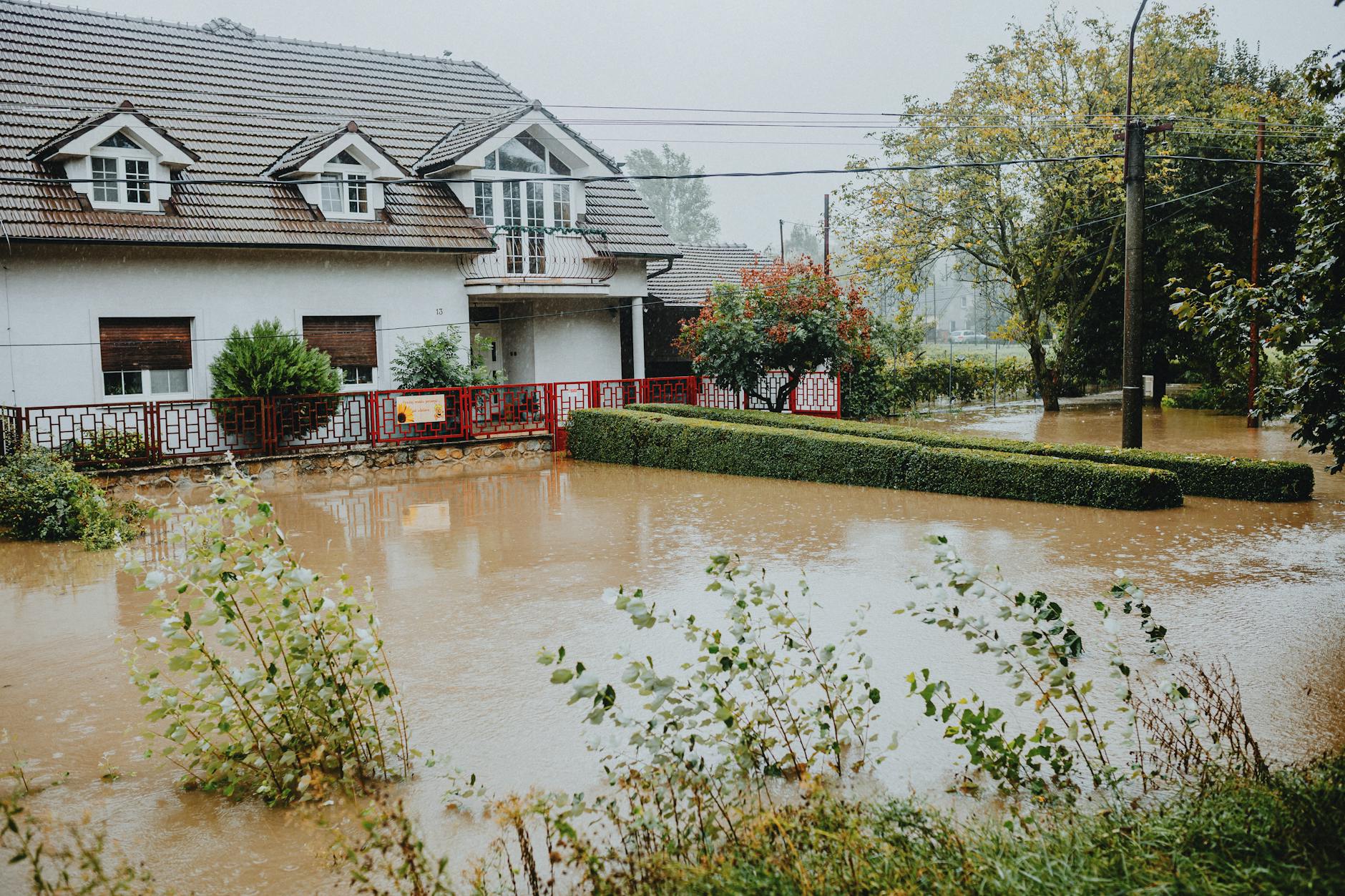
For many, like those in eastern Kentucky who faced terrifying floods in July 2022, the aftermath of a disaster is worsened by a lack of flood insurance. Despite a rising threat from climate change that brings more extreme weather, millions of homes across the U.S. at severe risk remain uninsured. This growing gap is driven by a federal program struggling with rising costs and outdated risk assessments, leaving vulnerable communities to face devastating financial burdens alone. The situation highlights an urgent need for sustainable solutions and better protection against our changing climate.
In 2022, Libby Honeycutt listened to glass breaking as floodwaters tore apart her Kentucky home, while Ronald Conley used a pontoon boat to rescue his dogs from his elevated house. Jennifer Campbell heard screams for help as her neighbor struggled. These harrowing experiences highlight a critical problem: the vast majority affected by such extreme weather, including these three individuals, lacked flood insurance.
Across the U.S., only 2.4% of properties are covered by federal flood insurance policies, yet a startling 8.4% face severe or extreme flood risk, according to an Associated Press analysis. This gap is widening, with approximately 500,000 policies dropped in just five years, largely due to rising costs. This trend collides with the undeniable reality of climate change, which is intensifying floods, strengthening hurricanes, and causing worse downpours far from coastlines.
The problem is particularly dire in places like eastern Kentucky, where fewer than 5% of properties are insured even though nearly half are at extreme risk. FEMA's current flood maps, experts say, often fail to capture the true extent of this danger, especially from heavy inland rainfall, leading many homeowners to underestimate their risk. This was evident in the 2022 Kentucky floods, where only 18% of affected buildings were in designated high-risk zones, meaning most residents weren't required to buy insurance.
The cost of flood insurance has become a major barrier. The typical policy now costs about $1,100 per year, a nearly 90% increase over the past five years. While modernization efforts like Risk Rating 2.0 aim for more accurate pricing, they've also led to higher premiums, making coverage unaffordable for many, particularly in poorer communities. The National Flood Insurance Program itself is mired in over $20 billion of debt and struggles with conflicting goals of affordability and financial stability.
For those without insurance, federal disaster aid is limited, typically covering only basic needs and often not for repeat floods if a property is in a designated flood zone and still uninsured. This leaves families to face immense financial strain, often forcing them to abandon their homes or rely on charity to rebuild slowly, as Ronald Conley did, only moving back into his home two years after the flood. This ongoing crisis underscores the urgent need for comprehensive climate action, improved infrastructure, and a more equitable approach to disaster preparedness and protection to safeguard our communities.