Mojave Water Plan Moves Forward, But What's Being Missed?

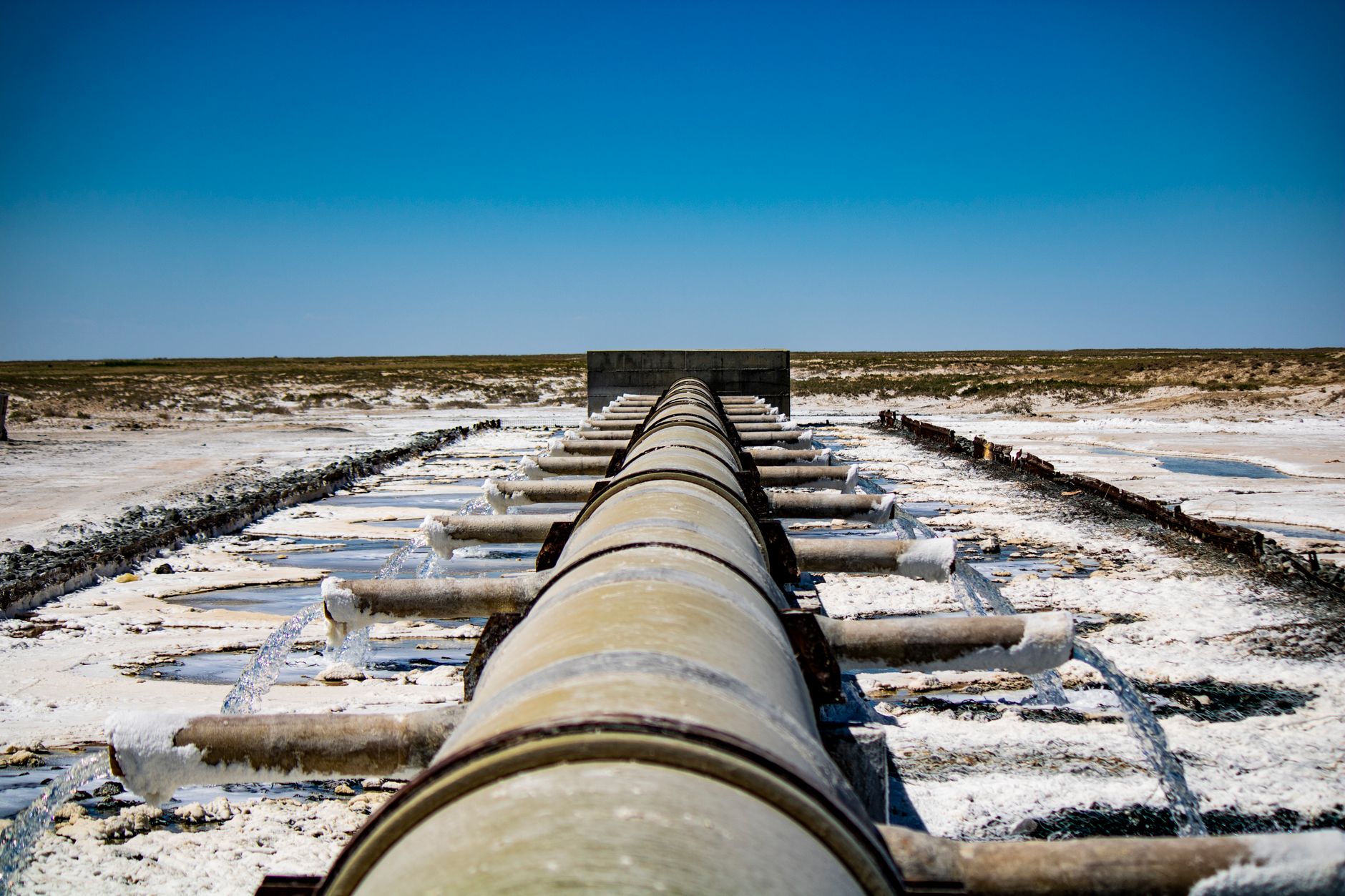
The Trump administration has approved a controversial plan by Cadiz Inc. to convert an old oil pipeline for transporting water from the Mojave Desert. This decision, made by the Bureau of Land Management, comes despite strong opposition from environmental groups and Native tribes who warn of dire consequences for the fragile desert ecosystem. While the agency states the pipeline conversion itself won't significantly harm the environment, it notably excluded the crucial impacts of groundwater extraction from its review. This selective approach raises urgent questions about protecting critical natural resources.
The Bureau of Land Management (BLM) has given the green light for Cadiz Inc. to repurpose a 162-mile oil and gas pipeline to carry water. This move is a major step for Cadiz, which has long sought to tap groundwater in the Mojave Desert to supply thirsty California cities. Cadiz CEO Susan Kennedy expressed excitement, calling it a "pivotal milestone" after years of planning.
However, this decision has ignited fierce criticism from environmental advocates and Native tribes. Organizations like the National Parks Conservation Assn. warn that this "groundwater mining" could severely deplete the desert's vital springs and destroy rare wildlife habitats. They argue it's "indefensible" that the administration would disregard scientific warnings and avoid a proper environmental review of the actual groundwater pumping.
A key point of contention is the BLM's narrow scope. The agency stated that while the pipeline conversion itself complies with regulations, the broader impacts of withdrawing groundwater were deemed "outside the scope of analysis." This distinction is critical, as it bypasses the central environmental concern. California Governor Gavin Newsom previously signed legislation in 2019 requiring further scientific study and state approval for the project's water extraction. This ongoing conflict underscores the urgent need for comprehensive environmental assessments when considering projects that could drastically alter our planet's delicate ecosystems, especially in drought-prone regions.