Montana's 30-Year Drought Ends: Who Just Broke the Pattern?

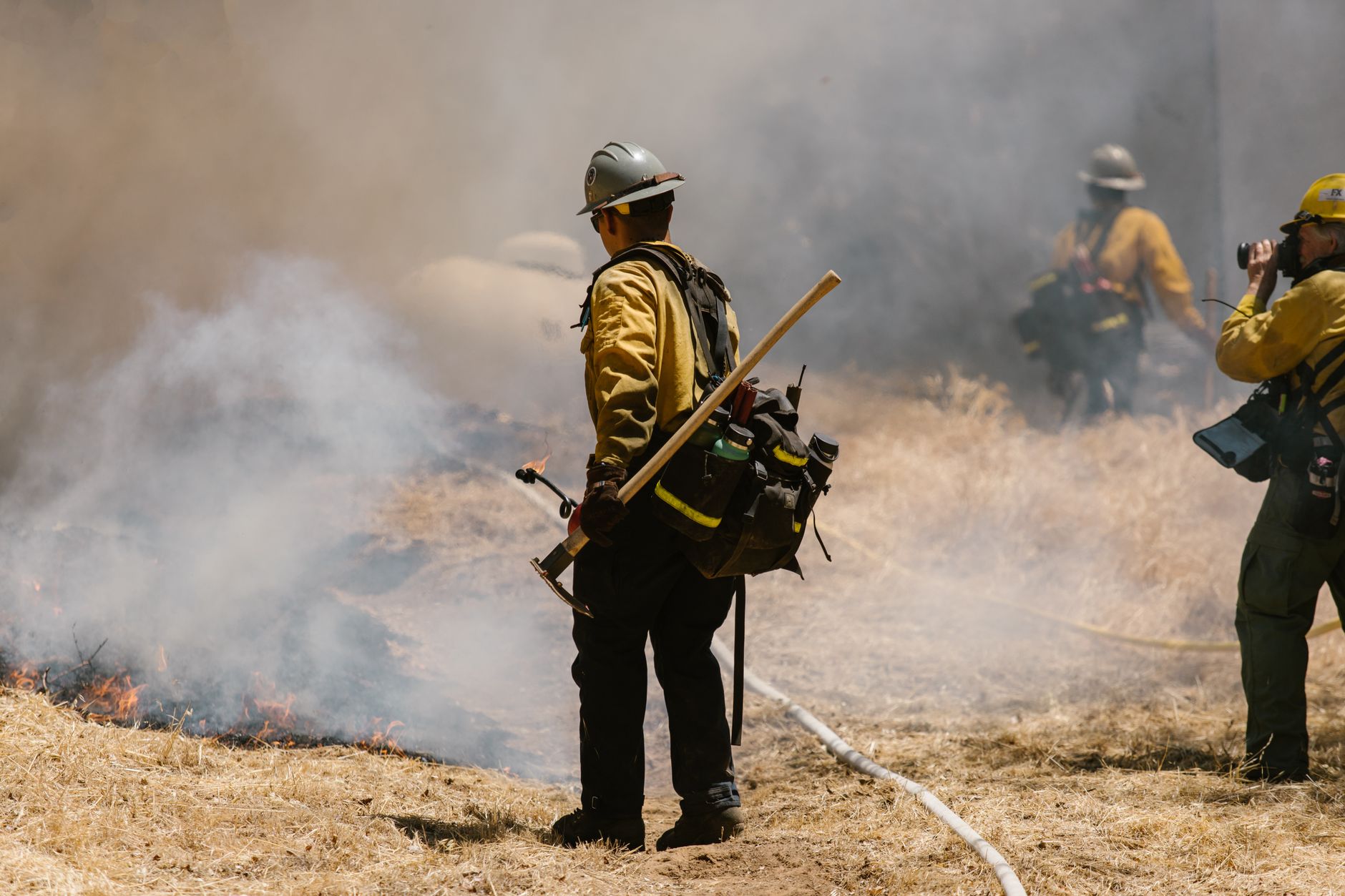
After three decades, Montana has elected a Democrat, Sam Forstag, to the U.S. House of Representatives. A former wildland firefighter and union leader, Forstag's victory is seen as a significant shift, especially given his focus on strengthening federal land management agencies and improving wildfire preparedness. His campaign centered on critical environmental issues, advocating for forest thinning and prescribed burns to reduce destructive fires and protect precious public lands. This election highlights a growing urgency for proactive solutions to the climate challenges facing Western states.
Sam Forstag, who once parachuted into remote areas to fight wildfires as a smokejumper, now heads to Washington, D.C., representing Montana’s 1st Congressional District. His unique background as both a wildland firefighter and a union leader for U.S. Forest Service workers profoundly shaped his campaign, which prioritized federal land management and wildfire prevention. He championed efforts to simplify permitting for prescribed burns and increase wildland firefighters’ pay, arguing that investing in these measures can reduce fire risks and save taxpayer money.
Forstag has already begun challenging proposals to reduce federal land holdings, asserting that "They’re trying to sell off our public lands, but we won’t let them." This stance is particularly important for a state like Montana, where public lands are integral to the economy, recreation, and environment. Protecting these areas is crucial for biodiversity, water resources, and preventing further habitat loss exacerbated by a changing climate.
While campaign priorities often shift, Forstag has consistently reaffirmed his commitment to protecting Montana's wild places for future generations. His platform calls for expanding federal land management agencies and increasing funding for forest management to reduce wildfire fuel loads. This focus directly addresses the increasing threat of severe wildfires, which are intensified by hotter temperatures and longer fire seasons due to global warming.
Environmental advocates and climate experts see Forstag's election as a hopeful step. As Amy Cilimburg, executive director of Climate Smart Missoula, notes, Congress controls funding, and federal agencies need consistent staffing and resources to respond effectively to climate risks like reduced snowpack and drought. Having a representative with firsthand experience in wildfire response can bring much-needed attention and practical understanding to these pressing environmental and climate challenges. While a freshman congressman faces hurdles, his experience and stated commitment offer a strong voice for sustainability and climate resilience in Congress.
Forstag’s push for increased staffing and funding for federal agencies directly supports the fight against climate change. A well-resourced Forest Service can better implement fire prevention strategies, like controlled burns, that reduce the scale and intensity of fires, protecting communities and ecosystems. These efforts are vital as climate change continues to impact our landscapes, making proactive management more critical than ever.