Montana's Wildfire Threat Returns: What's Driving the Dramatic Shift?

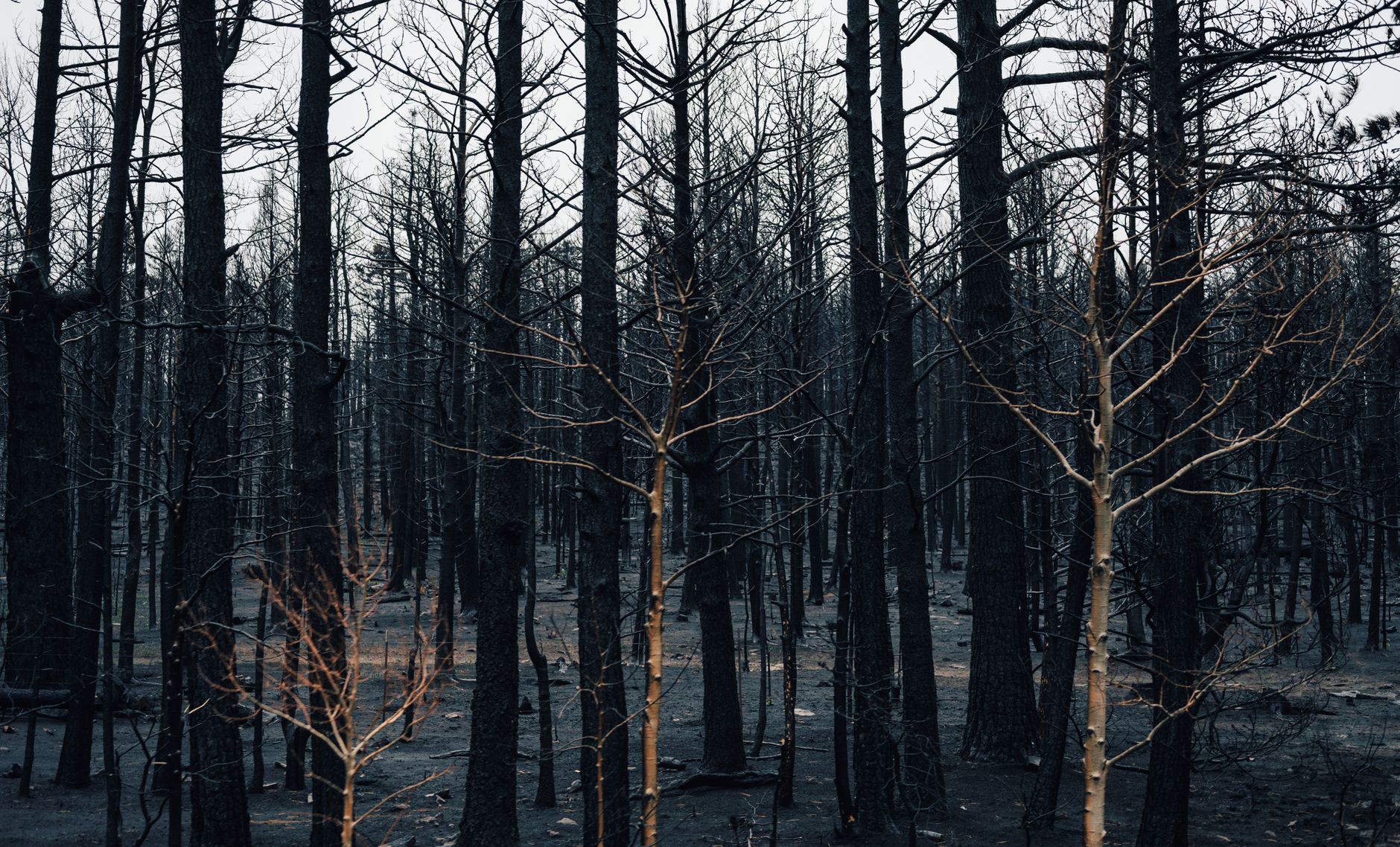
Montana faces a renewed wildfire threat as July's intense heat rapidly dries out vegetation. After a record-warm winter and initial hopes of a mild season due to late June rains, scientists warn that climate change is making fire seasons dangerously unpredictable. This shift underscores the urgent need for environmental action, as the erratic pattern of warmth, melting snowpack, and sudden heatwaves creates highly combustible conditions across the state. Communities must prepare for a longer, more challenging fire season.
Montana's wildfire season, initially thought to be eased by late June rains, is now facing a severe turn. After one of the warmest and driest winters on record, a prolonged July heatwave is rapidly drying forests and grasslands, increasing the risk of widespread fires, according to the National Weather Service. This sudden shift highlights how climate change is making Montana's fire seasons increasingly unpredictable, demanding urgent attention to environmental strategies.
The state saw temperatures climb into the 90s and even above 100 degrees Fahrenheit in eastern Montana. This heat is quickly curing fine fuels like grasses, which can become highly combustible. What was once a predictable cycle of winter moisture and summer dryness has become an erratic interaction of record-warm winters, shrinking snowpack, spring rains, and intense summer heat, all contributing to a heightened fire danger in Montana's wildfire seasons.
A major reason for this year's challenge is Montana's record warm winter. Cities like Butte, Missoula, and Kalispell experienced some of their warmest winters ever. Low and mid-elevation slopes lost snowpack much earlier than usual, reducing the natural spring and early summer moisture that helps keep soils wet. While June rains provided a brief respite, they also spurred growth of fine fuels, which are now drying out rapidly in the intense heat, making the landscape even more prone to fire.
Experts from the Montana Climate Office warn that hotter, drier conditions are projected to drive longer fire seasons and more widespread smoke events by mid-century. Even without large local fires, smoke from distant blazes in neighboring states or Canada can travel hundreds of miles, causing serious health threats from particulate matter and ozone, as detailed by the EPA. This long-term trend makes addressing global warming and supporting sustainable solutions more critical than ever to protect communities and natural environments.