Montana Wildfire Fight Shifts: What Happens Next?

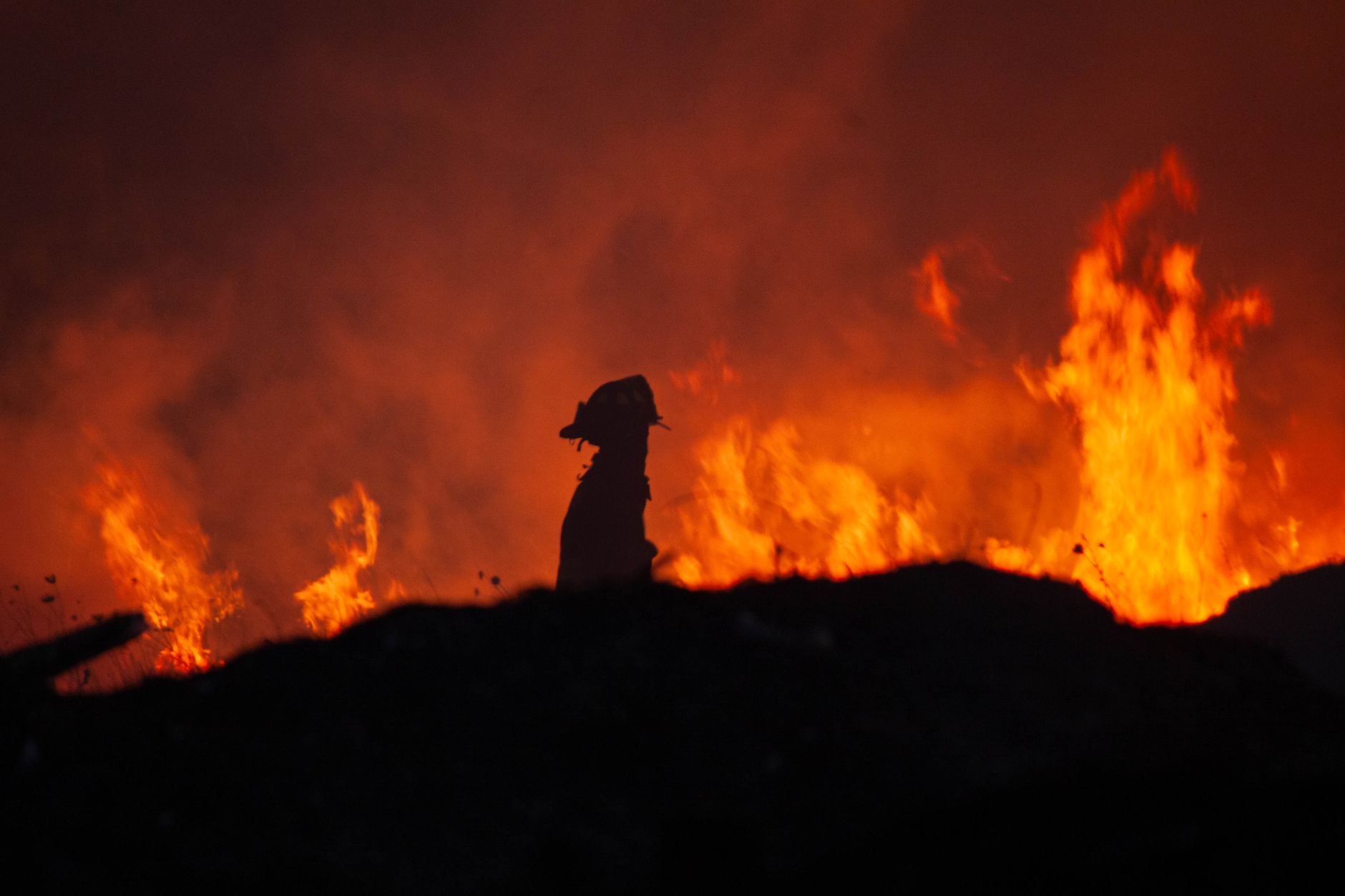
Southwestern Montana's battle against three large wildfires, which have consumed over 47,000 acres, is at a critical juncture. Recent rainfall offered a brief respite, allowing firefighters to increase containment on the Sand Creek and Bobcat Lakes fires. However, this relief is short-lived as warmer temperatures, lower humidity, and gusty winds are rapidly returning, raising renewed concerns about fire growth. This volatile situation underscores the increasing challenge of wildfire seasons, often intensified by hotter, drier climates, demanding urgent attention to environmental protection and resilience efforts.
Firefighters are working hard to manage three significant wildfires across southwestern Montana, which have collectively burned an area equivalent to about 63 percent of all wildfires in the state last year Montana last year. While recent rain helped slow their advance, bringing containment on the Sand Creek Fire to 7 percent and the Bobcat Lakes Fire to 40 percent, conditions are quickly changing. Elevated fire weather, including rising temperatures, dropping humidity, and breezy winds, is expected to return.
According to Philip Knaub of the Northern Rockies Complex Incident Management Team 3 said Wednesday, these conditions are unfavorable. A lead meteorologist with the National Weather Service, Jenn Kitsmiller, noted that July saw temperatures 3 to 6 degrees above normal and was exceptionally dry. This combination, coupled with lightning from thunderstorms, created ideal conditions for rapid fire spread, leading to the Sand Creek Fire's dramatic growth from 1,684 acres to over 31,000 in less than two weeks.
The Sand Creek Fire has already caused significant damage, notably impacting the Maverick Mountain Ski Area. Its main chairlift sustained extensive harm and likely won't be operational for the upcoming season, as owner Erik Borge shared in a social media statement. He stressed the commitment to rebuilding. These events highlight the severe consequences wildfires have on communities and local economies, intensified by climate change which fuels such extreme conditions.
Looking ahead, Montana officials are exploring ways to reduce future wildfire risks. State Commissioner of Securities and Insurance, James Brown, mentioned plans for a potential grant program to help property owners. He also encouraged residents to create defensible spaces around their homes, working with groups like FireSafe Montana. While current fire activity is near average for the season, as Kyle Bocinsky from the Montana Climate Office noted, there's still a considerable period left, making ongoing preparedness and collective action crucial for environmental protection.