Moon Mission’s Starship Secret: How Many Flights to Land?

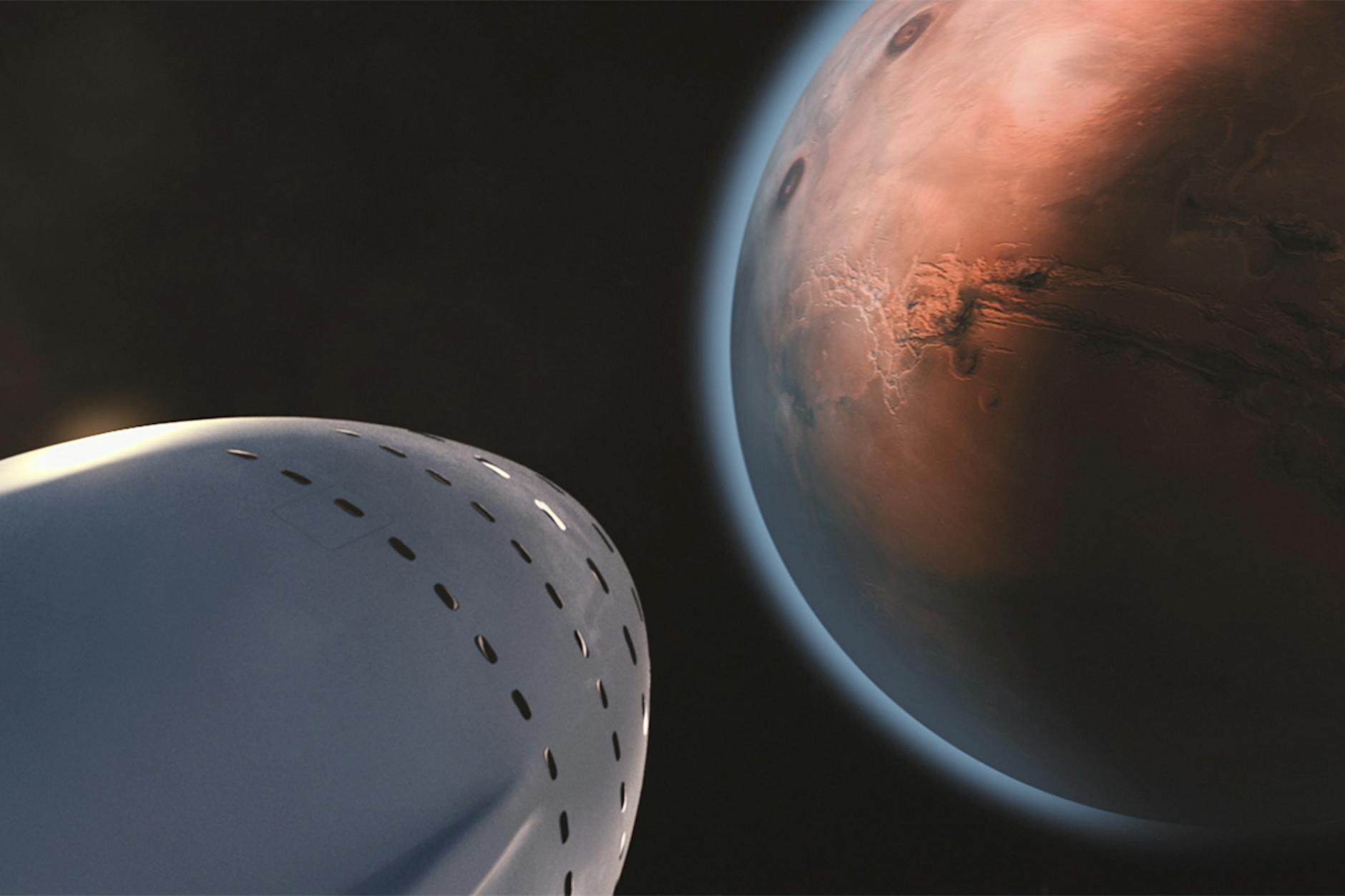
A key disagreement has emerged between Elon Musk and NASA’s Aerospace Safety Advisory Panel regarding the number of Starship launches required for the upcoming Artemis IV lunar mission. While NASA's panel estimates around 22 flights to prepare for a crewed Moon landing in 2028, Musk claims the actual figure will be significantly lower, closer to 6 to 8. This crucial difference stems from the complex process of refueling the massive Starship in Earth orbit before it can journey to the Moon, impacting mission safety, cost, and timeline.
The core of the debate centers on Starship's massive fuel consumption. To reach Earth orbit, the spacecraft uses almost all its propellant, leaving none for the onward journey to the Moon. SpaceX's solution involves a 'gas station in space' where a Starship depot is launched into orbit, followed by multiple tanker Starships that ferry fuel to it. Once full, the lunar lander version of Starship docks, fills up, and then heads towards the Moon.
Each tanker trip represents a full rocket launch, making the total count a critical factor. More launches mean higher costs, extended timelines, and increased opportunities for something to go wrong before astronauts even leave Earth's orbit. According to Ars Technica, panel member Charlie Precourt, a former NASA astronaut, highlighted this fueling process as a major risk for Artemis IV, which aims to land a crew on the Moon in 2028.
The difference in estimates primarily comes down to how much propellant each tanker can deliver to orbit and how much is lost due to boil-off in the extreme cold temperatures of space or during transfer. NASA's estimate likely uses current Starship capabilities, while Musk's more optimistic figure anticipates a more capable, upgraded 'V3 Starship.' Musk has previously challenged higher estimates, calling a 2021 government suggestion of 16 launches “extremely unlikely.” The success of these future Moon missions, therefore, hinges not only on groundbreaking technology but also on optimizing efficiency and minimizing risk through careful planning and innovative solutions.