More Homes Lost to Wildfires Despite Hardening Efforts. Why?

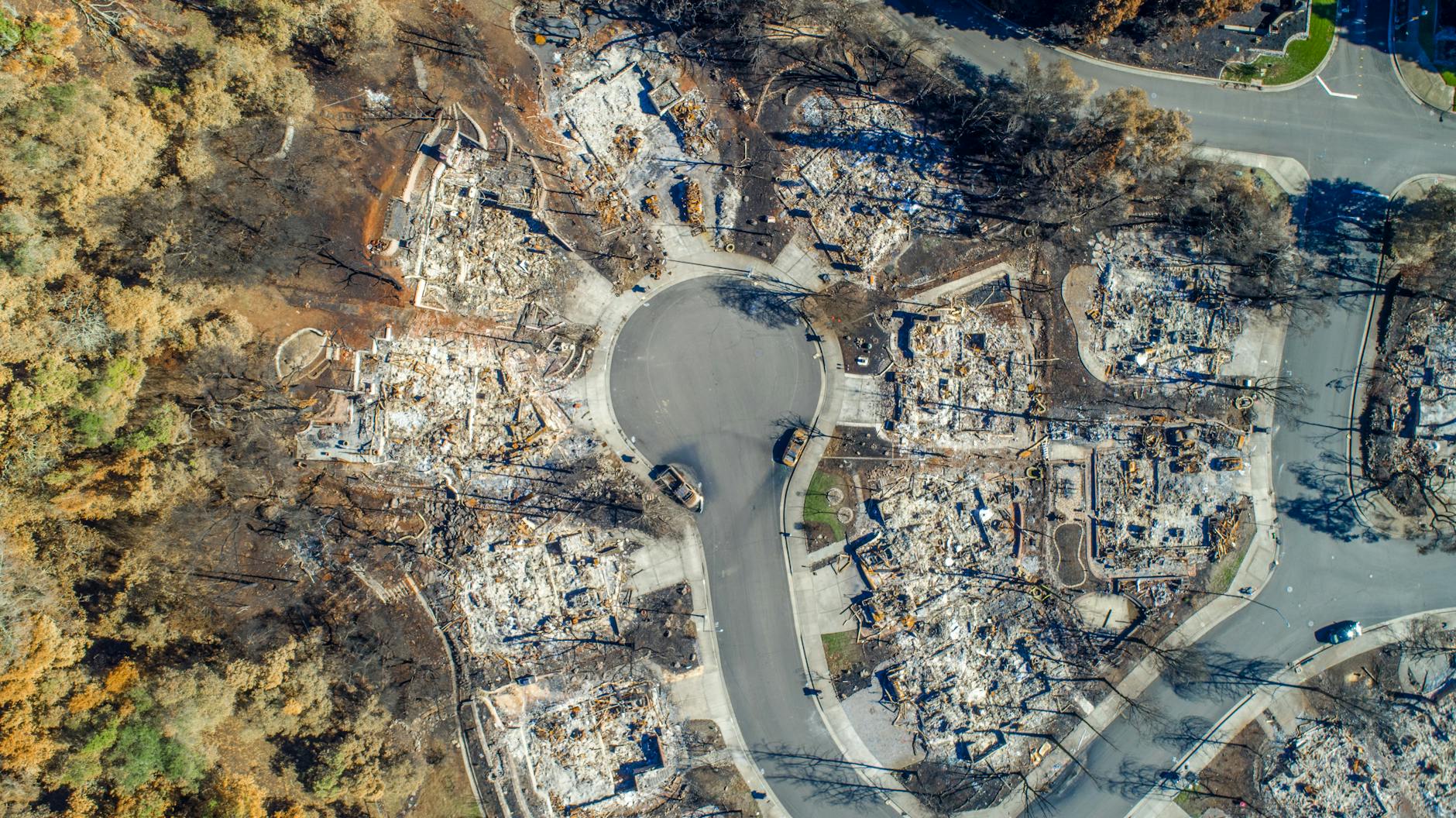
A recent study reveals a troubling trend in California: despite significant efforts to protect homes, the percentage destroyed by wildfires has dramatically increased. What once was a 3% loss rate at the turn of the century surged to 18% by 2020, according to new findings from UC Merced. This alarming rise suggests that current safety measures are struggling to keep pace with the growing intensity of fires, fueled by global warming and continued development in vulnerable areas. The situation underscores the urgent need for enhanced climate action and smarter, more sustainable community planning.
California has invested heavily in protecting homes from wildfires, implementing stricter landscaping rules since 2006 and adopting advanced building codes in 2008. These measures, requiring fire-resistant materials and smart designs, have proven effective; a recent study found that homes with these precautions were significantly more likely to survive than those without. However, the overall trend of increasing destruction paints a stark picture: our actions are being outpaced by a worsening crisis.
The core issue lies with escalating wildfire behavior driven by global warming. Fires are burning more intensely, carried by stronger winds, and growing larger, making them harder for firefighters to control and defend homes. Climate change has already intensified these events, and as conditions become more extreme, even the best home defenses are being put to the ultimate test. Adding to this challenge is the continued expansion of residential areas into fire-prone wildlands. ClimateCheck reports that a staggering 80% of new homes built in California between 2020 and 2022 were in high-risk zones, drastically increasing vulnerability. This dangerous combination means that while individual efforts to harden homes are vital, they can be overridden by the sheer power of modern wildfires and the inherent risks of where we choose to build.
This situation highlights the critical importance of confronting climate change head-on. Reducing emissions and shifting towards sustainable energy solutions are crucial steps to mitigate the extreme weather conditions fueling these devastating fires. Simultaneously, communities must re-evaluate development strategies, prioritizing safety and environmental protection over expansion into dangerous areas. The data makes it clear: protecting our homes and communities from wildfires requires a multi-faceted approach, combining robust individual precautions with urgent, collective climate action and thoughtful land use planning.