Musk's Bold Warning: Why SpaceX Shorts Face 'Very Low' Survival

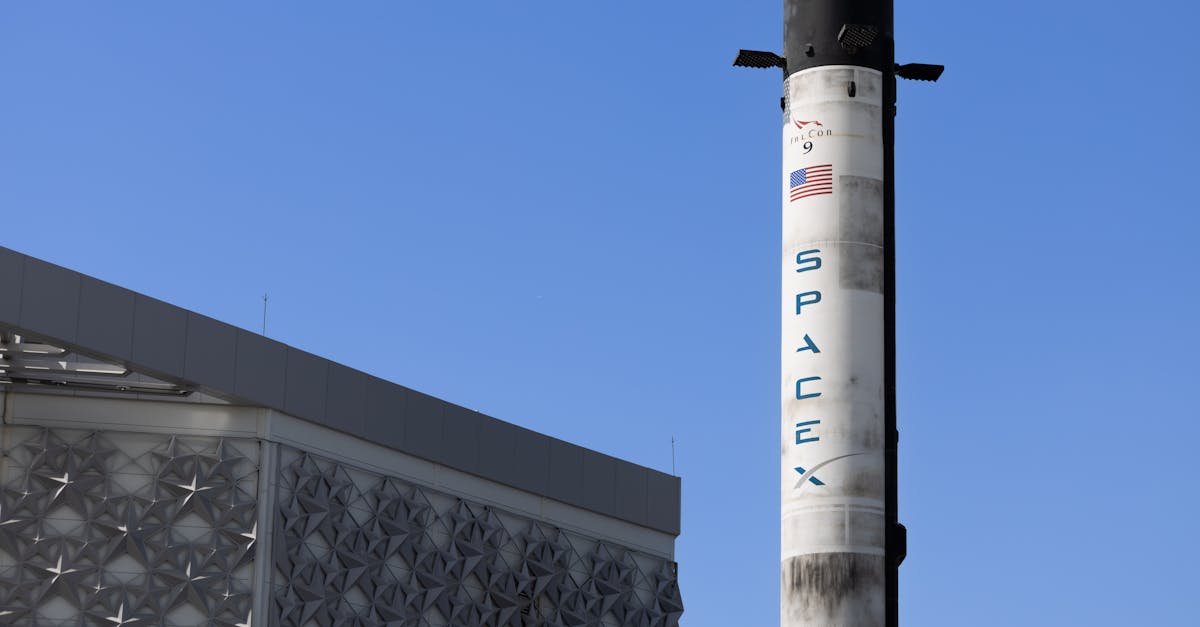
Elon Musk recently issued a stark warning to firms betting against SpaceX, stating their survival probability is 'very low.' This comes as SpaceX's stock, trading under $SPCX, has seen volatility following its historic IPO, resulting in significant gains for short sellers. However, Musk's message underscores his unwavering long-term confidence in the company's ambitious vision for a multi-trillion-dollar space economy, fueled by Starship's groundbreaking capabilities. His strong words suggest a belief that current market dips are temporary in the face of exponential technological progress.
Just weeks after its initial public offering, SpaceX's stock experienced a roughly 30% dip from its peak value, allowing short sellers to profit handsomely. Despite this, Elon Musk, known for his aggressive stance against those who bet against his companies, took to social media to issue a clear warning.
Musk's confidence is rooted in a detailed analysis suggesting that Starship's ability to dramatically lower launch costs could unlock an entirely new, massive space economy. This includes future ventures like beaming solar power from orbit, mining asteroids for resources, establishing orbital data centers, and even terraforming Mars. In this grand vision, SpaceX isn't just a rocket company; it's the foundational infrastructure provider for humanity's expansion into space, much like cloud computing services for the digital age. This, he believes, will generate monopoly-like revenues and astronomical market capitalization.
This isn't the first time Musk has confronted short sellers. He has previously warned Tesla short sellers of their impending downfall once full autonomy and robot production were achieved, even famously targeting figures like Bill Gates. Musk views short selling as inherently detrimental, arguing it works against innovation and progress. While critics often dismiss his optimism when short-term financial metrics falter, Musk consistently frames bets against his companies as a fundamental misjudgment of their long-term potential and technological leaps. For SpaceX, the message is clear: betting against its multi-planetary ambitions, which could reshape our economic future, carries an existential risk for those involved.