Musk's Next Big Bet: Terafab AI Factory Location Nears Reveal

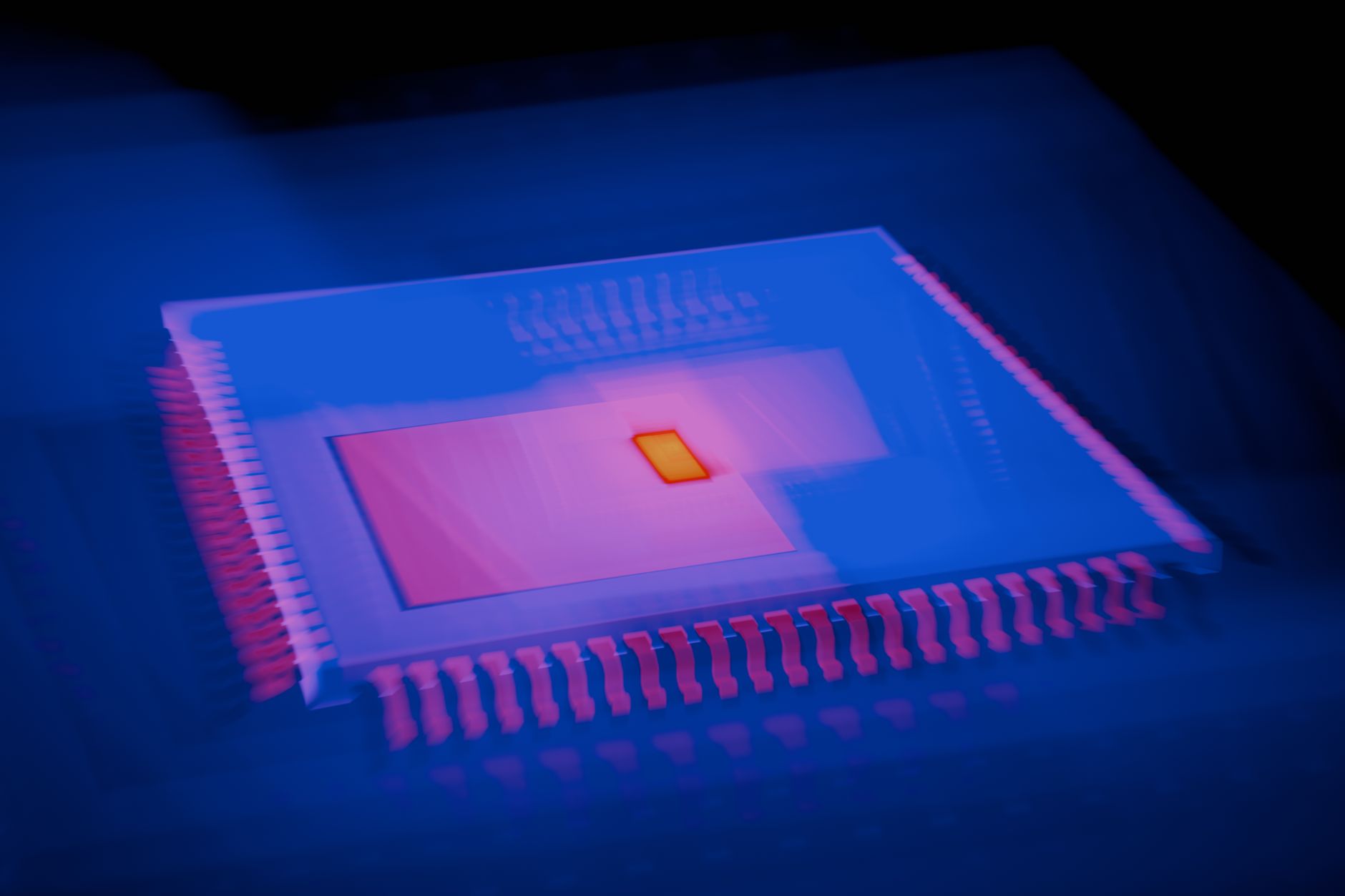
Elon Musk is on the cusp of announcing the location for his ambitious Terafab project, a massive facility designed to supercharge the future of artificial intelligence. This vertically integrated factory will produce specialized AI chips for companies like Tesla and SpaceX, ensuring they have the computing power needed for groundbreaking projects such as Optimus robots and Full Self-Driving technology. Musk emphasizes Terafab's critical role in scaling these innovations, highlighting its importance beyond just another manufacturing plant.
Elon Musk's highly anticipated Terafab project, a massive semiconductor manufacturing facility, is nearing its final location announcement. This groundbreaking initiative, first announced by Musk in March, aims to consolidate chip production for Musk’s various ventures, including Tesla and SpaceX, ensuring a steady supply of crucial AI components. With plans to generate over 1 terawatt of AI compute annually, Terafab is designed to power projects like Tesla’s Optimus robots and advanced Full Self-Driving systems, which are at the forefront of the electrification and automation revolution.
The sheer scale and ambition of Terafab are immense, positioning it as a cornerstone for future AI developments. Intel has even partnered with the project, lending its expertise in chip manufacturing to help realize Musk's vision. This collaborative effort highlights the industry's push toward integrated, sustainable technological advancement, reducing reliance on external suppliers for critical components needed to drive cleaner, smarter solutions.
While reports have suggested a potential site in Grimes County, Texas, Musk confirmed the factory is too large for the existing Giga Texas property, implying a significant, dedicated footprint. Musk believes Terafab is absolutely essential for achieving his companies' AI goals, especially for scaling Optimus production, which he sees as potentially the biggest product ever. This facility represents a monumental step toward a future driven by advanced, self-sufficient technological innovation, underscoring the urgency of investing in sustainable, high-capacity computing infrastructure.