My Renewable Dream Failed: The Unseen Climate Cost We Paid

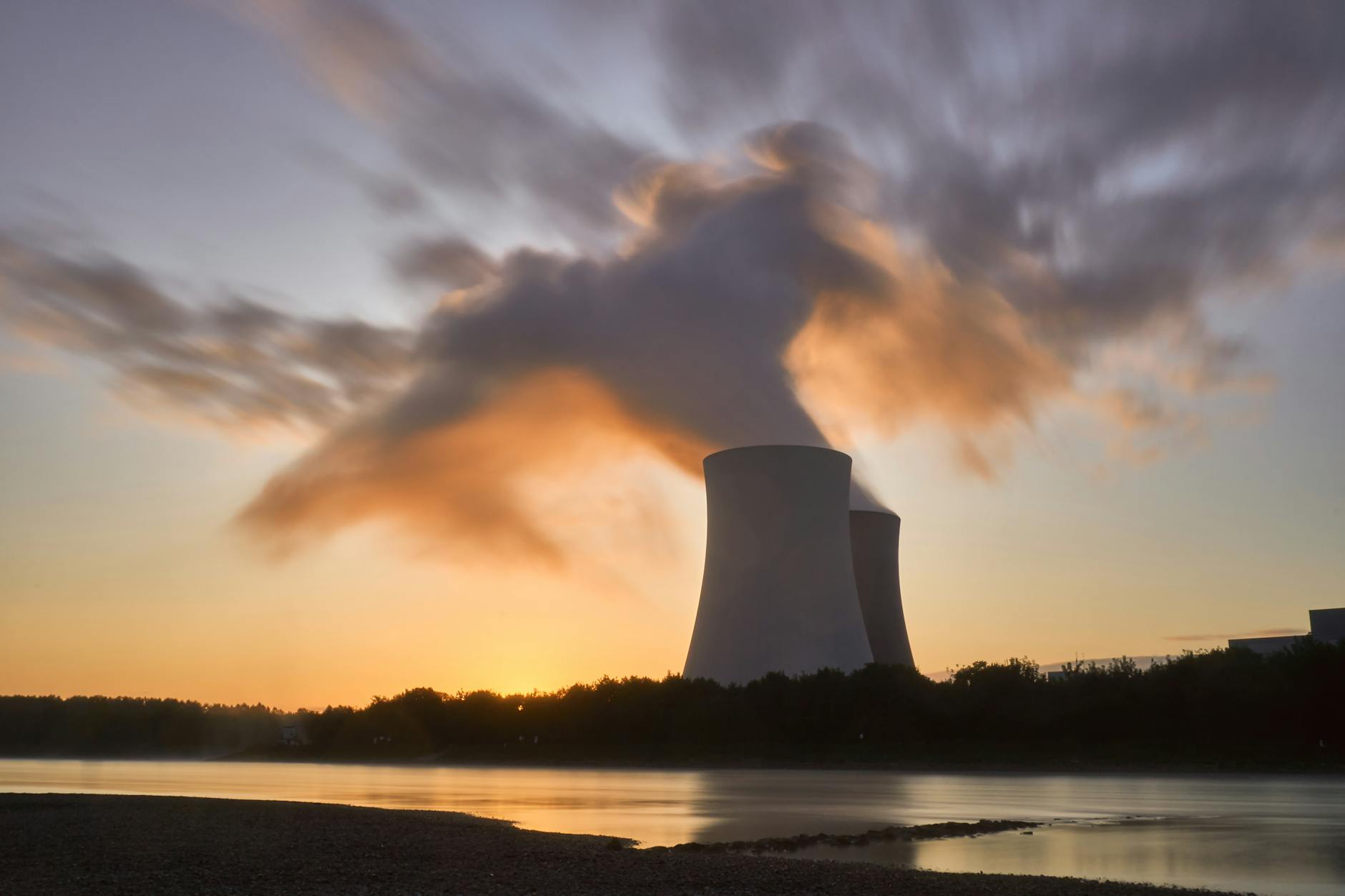
Once a fervent advocate for carbon taxes and renewable energy, one analyst recounts a profound shift in his perspective on nuclear power. This change was sparked by the failure to implement effective carbon pricing and the controversial closure of New York's Indian Point nuclear plant. The experience forced a critical re-evaluation of how we truly decarbonize our energy grid, highlighting the complex trade-offs and unexpected setbacks in the urgent fight against global warming. It underscores why every source of carbon-free electricity matters.
For decades, economists have championed a "carbon tax" as a powerful tool to fight climate change. By adding a fee to fossil fuels based on their carbon content, this approach would shift incentives across the entire economy, making cleaner options more attractive. The idea, which gained traction among environmental analysts, promised to cut U.S. emissions significantly, far more effectively than traditional standards or subsidies. Crucially, a carbon tax would have made reliable, carbon-free energy sources like nuclear power far more competitive, offering a major boost to our decarbonization efforts.
However, the widespread adoption of a U.S. carbon price never materialized, a missed opportunity with severe climate consequences. This failure became starkly clear to the author with the closure of the Indian Point nuclear plant in New York. Despite years of advocacy for renewables, a critical conversation revealed a painful truth: shutting down an operational carbon-free power source like Indian Point means any new wind or solar projects built to replace it don't actually reduce fossil fuel use. Instead, they merely fill the void, offering a net-zero climate benefit when what we desperately need is *additional* decarbonization. This realization, shared in articles for publications like Gotham Gazette and The Nation, underscores a critical challenge in our collective climate action.
While renewables like wind and solar are vital, their limitations became clearer after Indian Point’s closure. Beyond local opposition that stalls projects, their biggest challenge is intermittency—they only produce power when the wind blows or the sun shines. Simply building more capacity doesn't guarantee continuous power, especially during lulls, making it difficult to maintain a stable grid. This unpredictability makes reliable, always-on power sources, like nuclear, essential companions in a fully decarbonized energy system. New York, now facing the climate targets missed due to Indian Point's shutdown, is even exploring expanding its nuclear fleet, recognizing that a diverse portfolio of carbon-free energy is the most assured path to a sustainable future. The urgency of global warming demands that we don't just add new clean energy, but also preserve and expand existing carbon-free sources.
Ultimately, the journey from fervent renewable advocacy to embracing nuclear power highlights a crucial lesson: achieving a carbon-free future requires us to embrace all effective clean energy solutions, understanding their strengths and weaknesses. It's not an either/or choice, but a collective effort to build a resilient, sustainable, and electrified world. Protecting our environment means making smart, pragmatic choices that deliver real climate benefits, without accidentally hindering our progress.