Mysterious Illness, Unseen Culprit: A Hidden Allergy Spreading

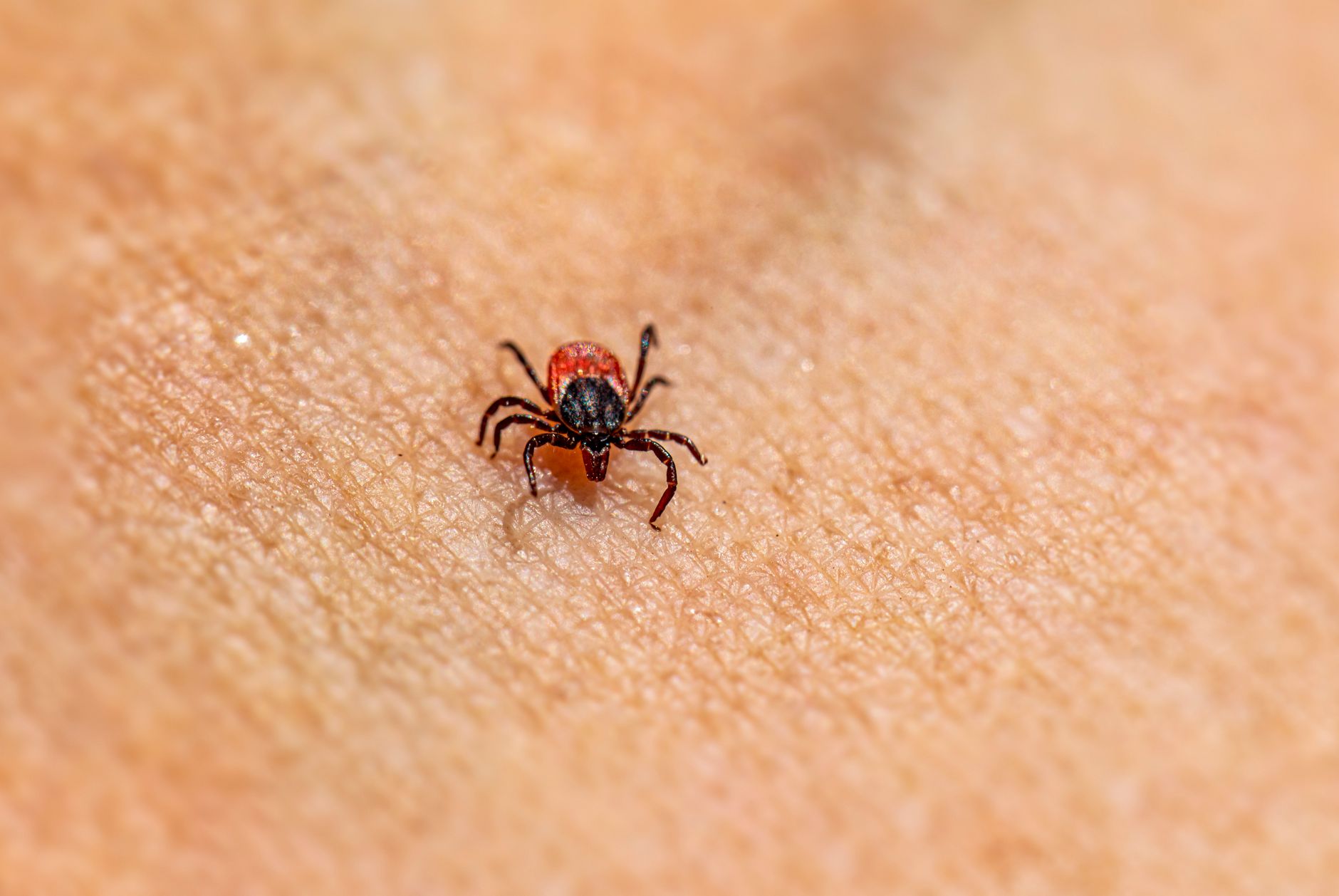
Tami McGraw suffered for years with puzzling health issues, including constant pneumonia and erratic blood pressure, with doctors unable to pinpoint the cause. She finally discovered she had alpha-gal syndrome, a severe red meat allergy triggered by lone star tick bites. This condition, once rare, is becoming more common as our climate changes, allowing these ticks to spread into new territories. McGraw's story highlights a growing public health challenge directly linked to environmental shifts.
For years, North Carolina resident Tami McGraw faced a perplexing health battle. She experienced frequent bouts of pneumonia, was diagnosed with asthma, and endured alarming blood pressure fluctuations, leaving doctors baffled. The relief was immense when she finally received a diagnosis: alpha-gal syndrome, a unique allergy to red meat and sometimes dairy, caused by the bite of a lone star tick. This understanding allowed her to begin managing her challenging condition.
Inspired by her own struggle, Tami created a Facebook support group to help others navigate life with alpha-gal syndrome. In the group, members share tips for avoiding triggers and coping with symptoms, offering a vital community for those feeling isolated by the condition. The need for such a group is growing rapidly; Tami admits dozens of new members daily.
This surge in alpha-gal cases is a stark reminder of how environmental changes directly impact our health. Lone star ticks, which thrive in warmer climates, are expanding their range as global temperatures rise, bringing the risk of alpha-gal syndrome to new areas. Cases of alpha-gal syndrome are on the rise, underscoring the urgent need for action on climate change to protect both our planet and our well-being. Supporting sustainable solutions and understanding these environmental shifts are crucial steps in preventing further health crises.