Mystery Behind Blocked Funds Jeopardizing Joshua Trees

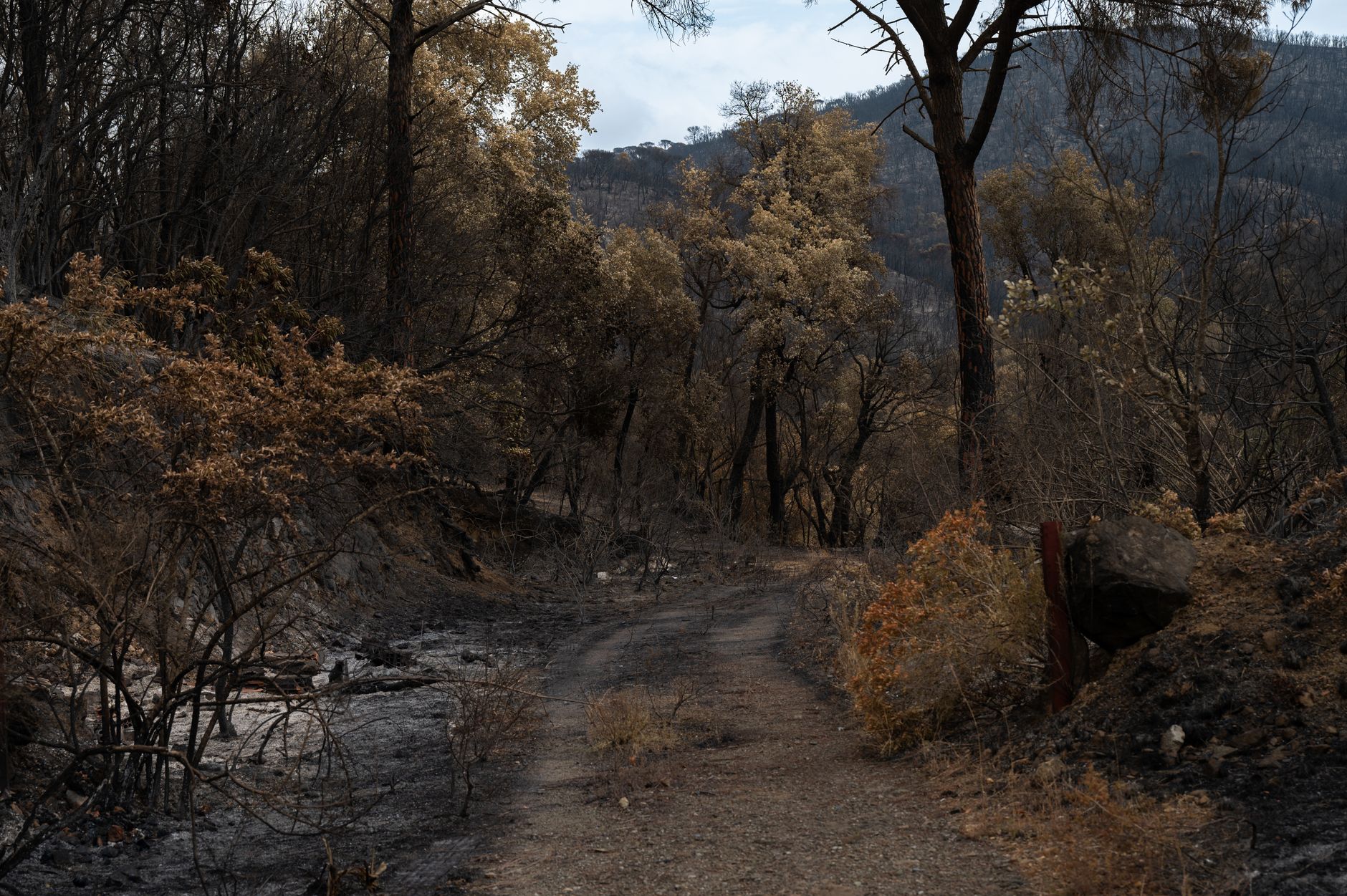
Over $25 million in critical funding for national parks, including Joshua Tree National Park, has been blocked by the Trump administration. This decision has halted more than 130 agreements with partner organizations, preventing essential conservation and maintenance work. For Joshua Tree, this means suspending projects crucial for protecting its namesake plants from devastating wildfires and the growing impact of climate change. The move underscores significant challenges to preserving our natural heritage and highlights the urgent need for consistent environmental action.
The Trump administration has halted over $25 million in funding for national park projects across the country, citing disagreements with the priorities of partner groups. These funds, already secured for more than 130 agreements, were intended to support a wide range of vital work, from environmental preservation to site maintenance. The Interior Department confirmed it "disapproved" these agreements, a move detailed by the Washington Post.
Joshua Tree National Park has been particularly hard hit, with ten agreements totaling nearly $1.2 million blocked. These projects, often in partnership with organizations like the Great Basin Institute, would have funded critical roles such as fire preparedness specialists, vegetation technicians to restore burned areas, and youth crews for wildfire damage repair. Experts warn that delaying such work only leads to greater damage and higher costs in the long run.
These initiatives are essential for the survival of the imperiled Joshua trees, which are a cornerstone of the Mojave Desert ecosystem. With development, increasing wildfires, and climate change threatening to make much of their habitat uninhabitable, these projects focused on protecting key "climate refugia"—areas where Joshua trees might still thrive. Preserving these unique natural areas is not just about a single plant; it's about safeguarding an entire ecosystem under immense pressure.
Such partnerships are especially important given significant staffing reductions and low morale within the National Park Service. Critics argue that blocking these agreements and shifting other projects to a "low priority" list, as shown by maps from the Center for Western Priorities, intentionally weakens public lands management. Protecting these natural treasures requires sustained effort and resources, and actions that hinder conservation efforts have profound implications for our environment and future generations.