Mystery Marine Swarms Shut Down French Nuclear Power

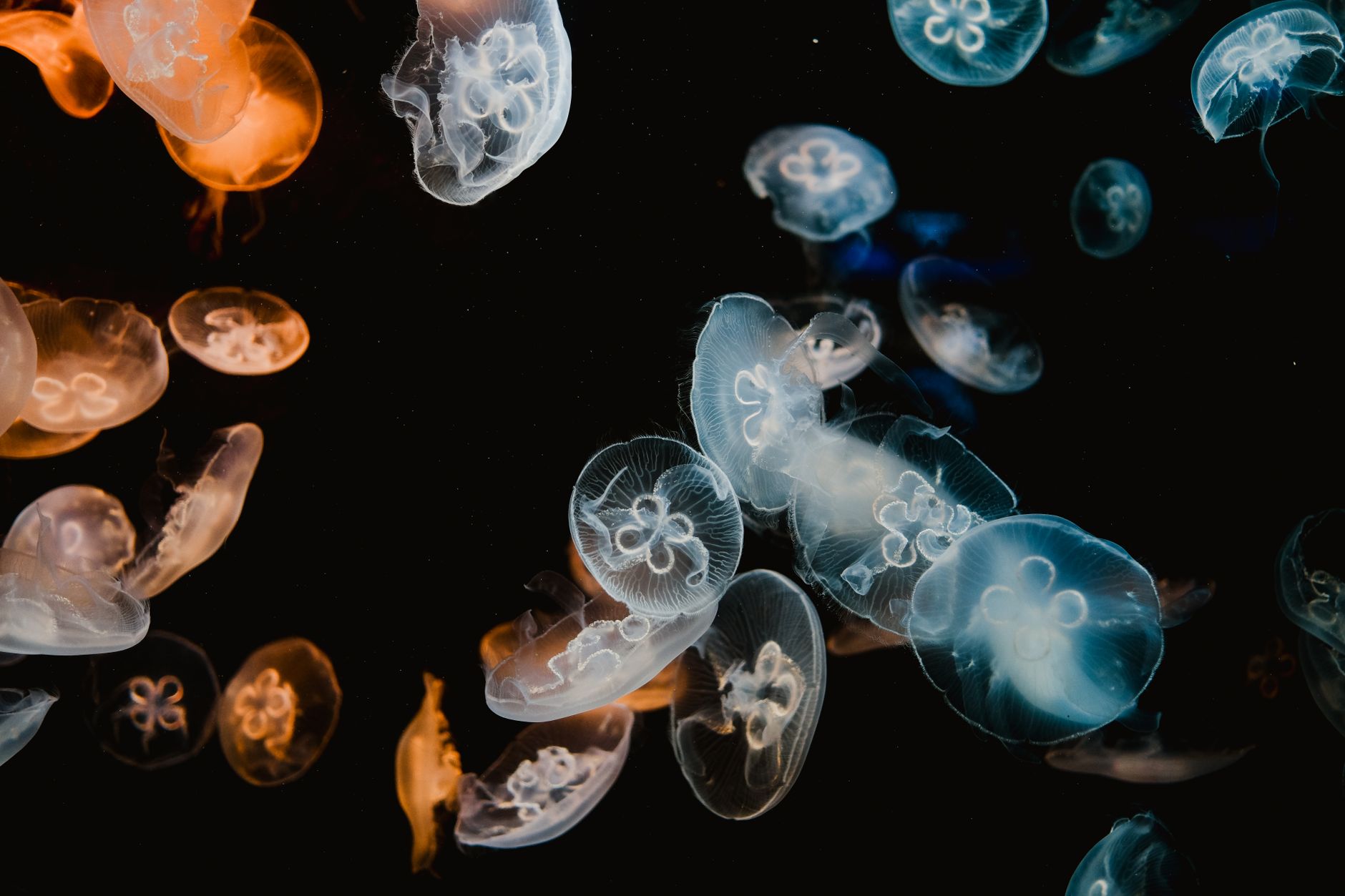
France's critical nuclear power infrastructure is facing an unusual adversary: massive jellyfish swarms. These marine visitors have forced Electricite de France (EDF) to shut down three units and reduce output at a fourth at its Gravelines plant, taking a significant 3.2 gigawatts of power offline. This disruption comes as intense heatwaves scorch Europe, boosting demand while unusually warm coastal waters, linked to rising global temperatures, fuel these jellyfish blooms. The swarms clog vital cooling systems, posing a serious challenge to energy supply. This event highlights how climate change impacts even major power sources, underscoring the urgency of sustainable solutions.
At France's Gravelines nuclear power plant, located on the northern coast, “massive influxes” of jellyfish have overwhelmed vital cooling systems. These swarms clogged filter drums, forcing the shutdown of three units and reduced output from a fourth, leading to a significant loss of 3.2 gigawatts of power. This energy gap emerges during extreme European heatwaves, which are pushing electricity demand to critical levels.
These surprising jellyfish blooms are directly linked to unusually warm ocean temperatures off the French coast. A warming climate alters marine ecosystems, leading to such unexpected population surges that can disrupt essential infrastructure. This isn't an isolated incident for Gravelines; similar issues occurred last year, highlighting a recurring vulnerability.
The challenges extend across France's energy network. Other nuclear sites on rivers face similar problems, as high river temperatures make cooling reactors difficult without damaging the environment. These incidents reveal how traditional energy sources are increasingly vulnerable to climate change. They underscore the urgent need for a shift towards more sustainable, resilient, and environmentally friendly power solutions to secure a stable energy future for everyone.