Mystery Mountain Lions Emerge in LA, Hinting at Big Changes

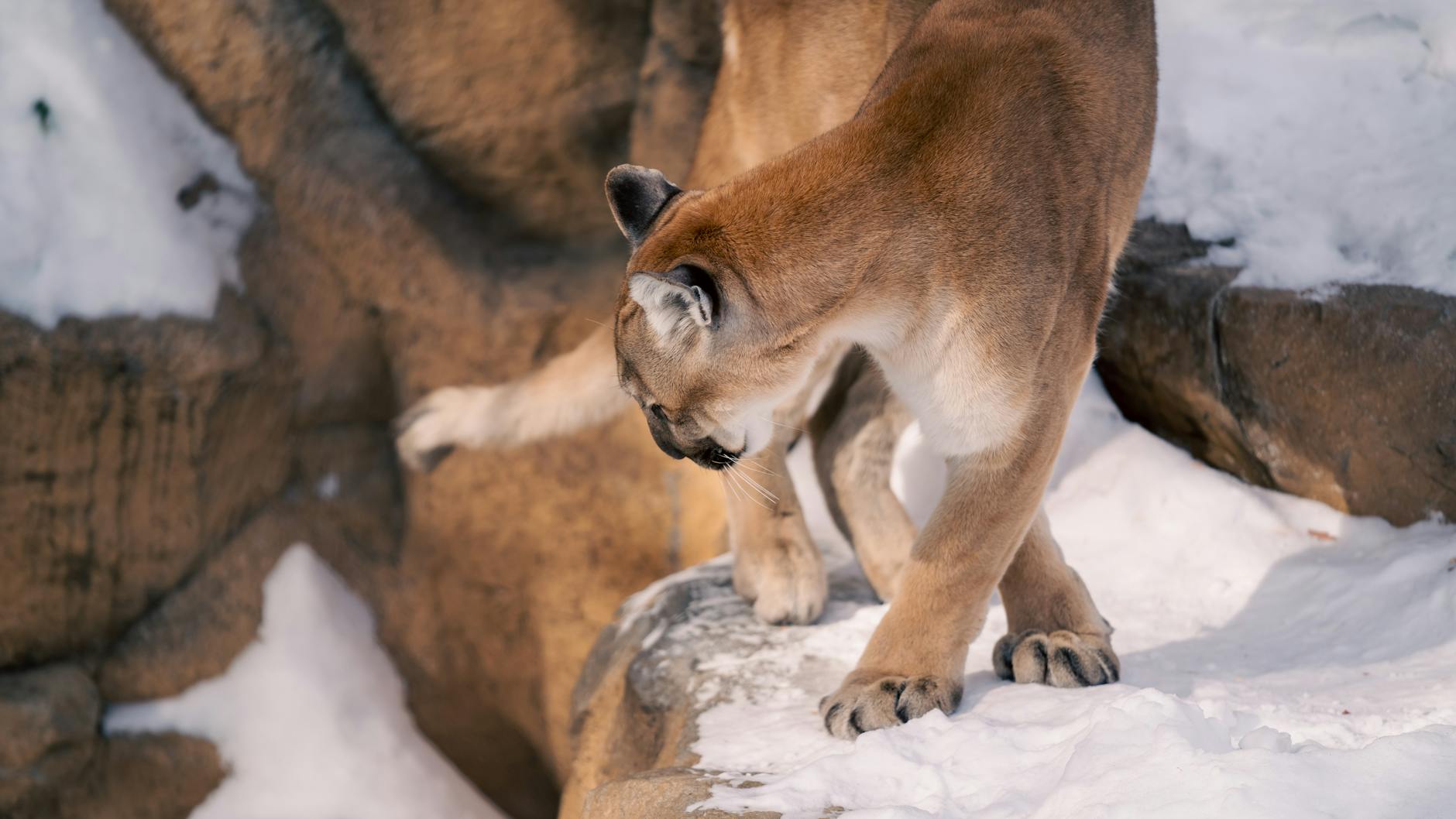
Recent sightings of uncollared mountain lions in Woodland Hills, Los Angeles, offer a rare glimpse into the secret lives of these elusive big cats. These majestic pumas were seen just weeks before the grand opening of the Wallis Annenberg wildlife crossing, a monumental project designed to provide safe passage over the 101 Freeway. The $114-million crossing aims to combat habitat fragmentation, reduce deadly car collisions, and boost genetic diversity for the region's threatened puma population, highlighting a critical step in protecting our natural heritage and ensuring these animals can thrive alongside urban development.
Residents in Woodland Hills recently had rare encounters with three uncollared mountain lions, spotted casually roaming through neighborhoods. These elusive big cats, whose lives are often a mystery, offered fleeting glimpses captured by home cameras. For many, like local resident Harmony Chisolm, witnessing a puma felt like a profound honor, underscoring the deep connection people feel to local wildlife and the urgent need to protect it.
These sightings come just weeks before the highly anticipated opening of the Wallis Annenberg wildlife crossing in Agoura Hills. This ambitious $114-million project, spanning 10 lanes of the 101 Freeway, is the largest of its kind in the nation. Designed to connect fragmented habitats, it offers a safe route for mountain lions and other animals, preventing dangerous crossings on busy roads and helping to address genetic isolation caused by urban sprawl.
Experts see these lion appearances as both a sign of hope and a clear indication of their limited habitat. The crossing is a crucial environmental action, providing a vital lifeline for these threatened predators by allowing them to safely expand their territory and find new mates. Such sustainable solutions are essential for the survival of species like the mountain lion, ensuring their long-term health and reminding us of our collective responsibility to protect the natural world around us.