Namibia Unlocks Climate Solution, Stores 50,000 Tonnes of Carbon.

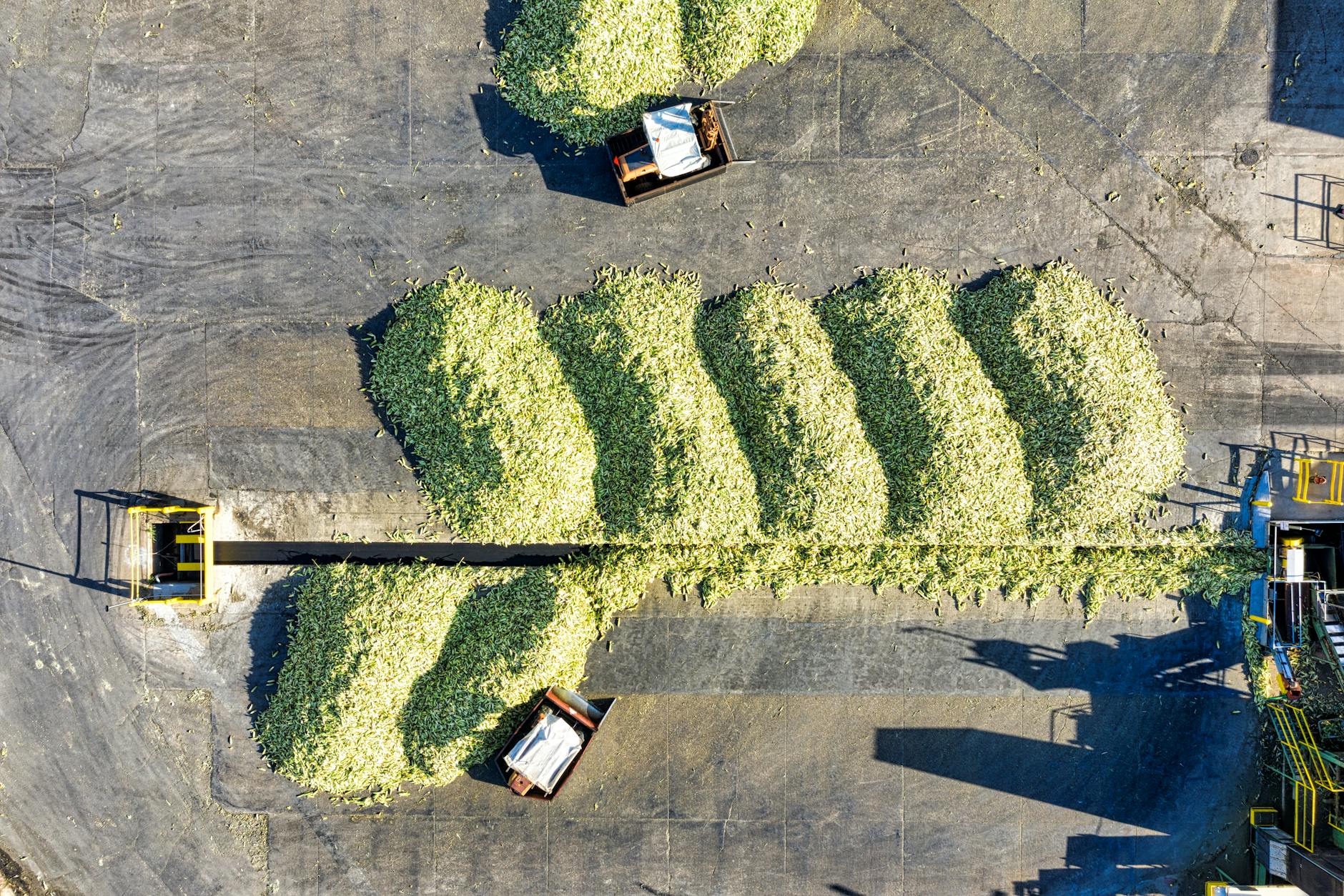
Senken and Carbonsate have struck a significant deal to remove 50,000 tonnes of carbon from our atmosphere. This multi-year agreement, tied to a unique biomass storage project in Namibia, represents a major step towards tackling climate change. By burying waste biomass underground, the project prevents harmful carbon emissions and locks them away for over a century. This innovative approach not only offers durable carbon removal but also supports vital land restoration efforts in Africa, highlighting the urgent need for sustainable solutions.
A new agreement between carbon removal buyer Senken and project developer Carbonsate will see 50,000 tonnes of carbon removed from the atmosphere and stored permanently. This landmark deal, spanning 2026 to 2028, centers on a unique biomass storage project in Namibia. It's considered the largest of its kind in Europe and Africa for biomass geological storage, demonstrating a growing global commitment to addressing climate change with lasting solutions.
The project tackles a common environmental challenge: woody biomass that would typically release its stored carbon back into the air through burning or decay. Instead, Carbonsate collects encroaching bush from Namibia's savanna and buries it in specially designed underground chambers. This simple yet effective method limits oxygen and moisture, keeping the carbon locked away for at least 100 years, according to its Puro.earth certification. It's a low-energy solution that directly counters the escalating urgency of global warming by removing existing CO2.
Beyond carbon removal, this initiative brings significant local benefits. The removal of excess bush helps restore valuable grasslands, improves biodiversity, and supports healthier grazing lands for local communities around Otjiwarongo, Namibia. This means the project not only fights climate change but also enhances the natural environment and economic well-being of the region, showcasing how environmental action can have multiple positive impacts.
This kind of multi-year commitment from buyers like Senken is crucial for the developing carbon removal market. It provides the stability and demand needed for projects like Carbonsate's Namibia project to scale up their operations. While the global permanent carbon removal market is still relatively small, agreements like this one are vital stepping stones, moving innovative solutions from emerging concepts to larger commercial realities that are essential for meeting our climate goals. As the Intergovernmental Panel on Climate Change (IPCC) emphasizes, carbon removal must support, not replace, deep cuts in emissions to protect our planet for future generations.