NC 'Recycling' Plant's Silent Exit: What Toxic Secrets Remain?

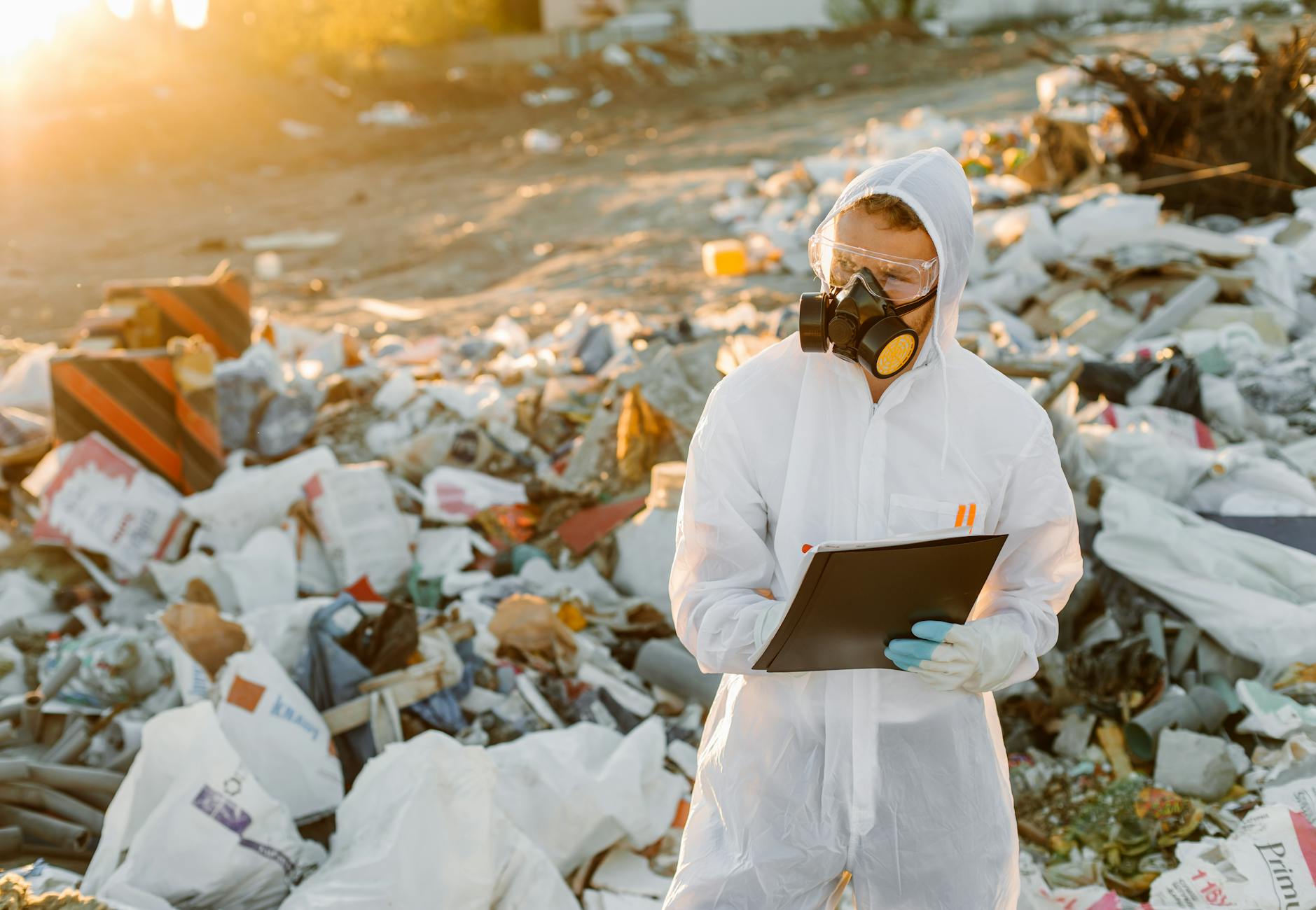
Braven Environmental, a facility in Zebulon, North Carolina, once presented as a solution for plastic waste through "chemical recycling," has quietly shut its doors. Despite promises to transform plastics into new materials, the plant racked up dozens of hazardous waste violations, leaving behind potential contamination. State regulators are now investigating the site for dangerous chemicals like benzene, arsenic, and hexavalent chromium. This case fuels growing concerns among environmental advocates about the true efficacy and safety of chemical recycling as a viable pathway to tackle the global plastic crisis.
What looked like an ordinary building in Zebulon, North Carolina, once housed Braven Environmental, a company that claimed to revolutionize plastic recycling. Instead, the plant, which used a method called pyrolysis to break down plastics, closed its operations after years of accumulating serious hazardous waste violations.
Environmental advocates have long argued that chemical recycling, often touted by the industry as "advanced recycling," is not the sustainable answer to plastic waste. Braven Environmental's record seems to bolster this skepticism. The plant was found to be mishandling hazardous waste that contained known carcinogens such as benzene, arsenic, and hexavalent chromium, posing a significant threat to the environment and public health.
State and federal regulators, including the North Carolina Department of Environmental Quality (NCDEQ) and the EPA, repeatedly cited Braven Environmental for poor waste management. Inspectors found evidence suggesting that hazardous waste might have been disposed of directly onto the ground, leading to dark stains on soil and rocks state inspection records. The company also allegedly shipped hazardous materials to unpermitted locations and failed to keep proper records, leading to an "immediate action notice of violations" from state officials issued.
Concerns escalated to the point where landscape workers near the plant reportedly fell ill, prompting an ambulance call and EPA scrutiny an email. Soil samples revealed levels of arsenic and hexavalent chromium above state limits returned to, while contaminated stormwater, containing benzene, was not allowed to be discharged into local sewer systems due to the company's permit violations denied. These incidents highlight the critical importance of strong environmental oversight and the urgent need for genuinely sustainable solutions to our planet's plastic burden.
Braven Environmental officials have been unresponsive or unreachable, and the company's phone line is disconnected. The NCDEQ continues to assess the site for potential contamination. This closure, following similar plant shutdowns, underscores a crucial lesson: true environmental action demands solutions that are not only innovative but also rigorously safe, transparent, and truly beneficial for communities and the environment. We must prioritize sustainable practices that prevent pollution, rather than rely on methods that risk turning one waste problem into another.