Nebraska's "Beef Country": A Colossal Project's Hidden Impact

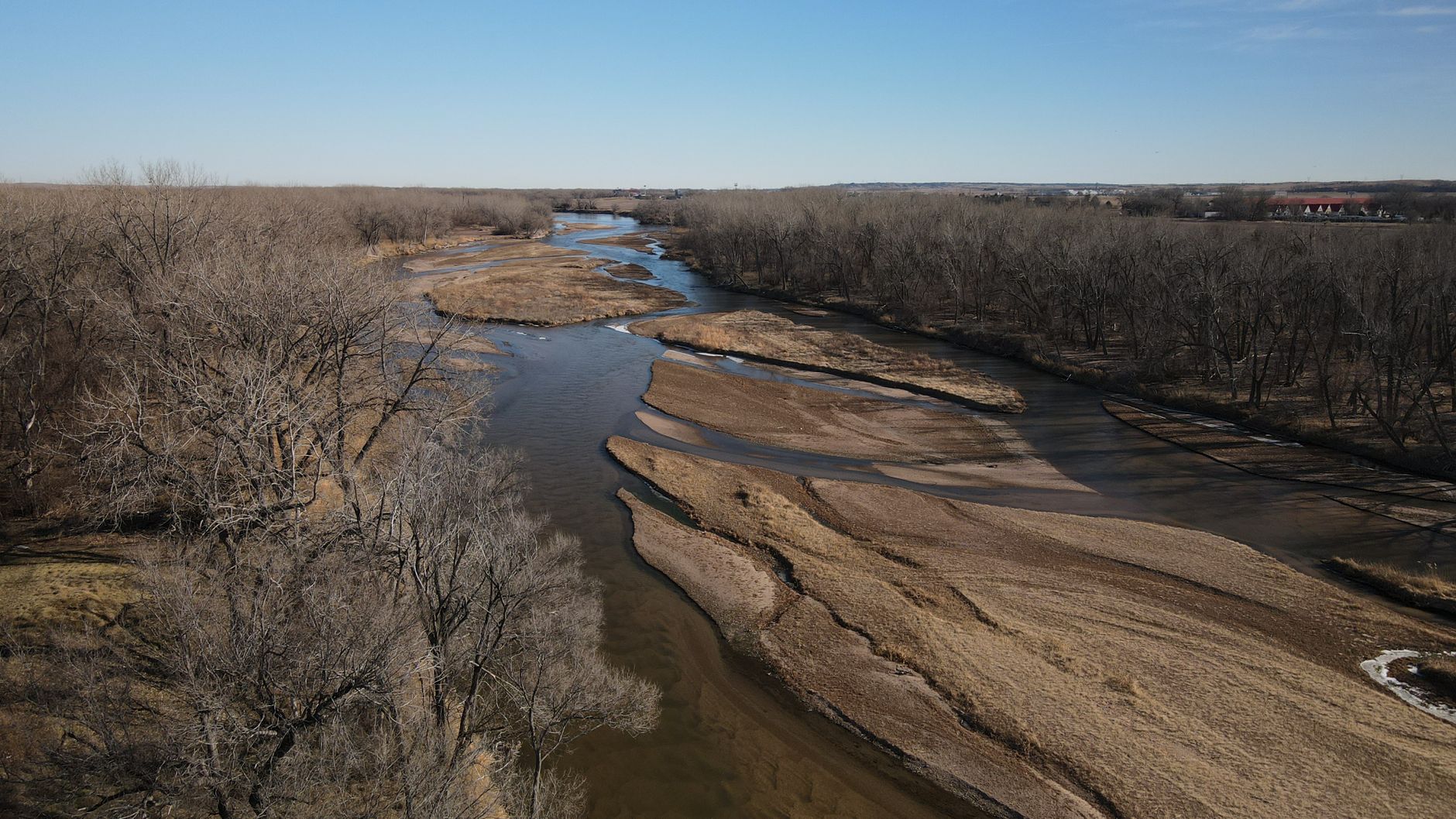
In Nebraska's 'Beef Country,' a new facility known as Blackshirt Feeders is set to become the nation's largest single-site beef feedlot, housing 200,000 cattle. This massive operation, covering nearly 700 acres, is sparking significant local concern over dwindling water resources and potential pollution. Beyond its immediate footprint, industrial-scale livestock farming, like Blackshirt, represents a major challenge for global climate goals. The staggering volume of methane and manure produced intensifies the urgency of finding sustainable solutions for our food system.
Blackshirt Feeders, located in Dundy County, Nebraska, is rapidly expanding to become the country's largest single-site beef feedlot, with plans for 200,000 cattle. This project, covering almost 700 acres, has been met with strong opposition from local ranchers and residents concerned about its profound impact on their environment and way of life. They fear that what's good for business might be disastrous for their community and the planet.
One of the most pressing concerns is water. The feedlot's 200,000 cattle could consume an estimated 1.5 billion gallons of water annually, drawn from the Ogallala Aquifer—a vital but overstressed water source for millions. Despite a system to offset water use by retiring other wells, locals are skeptical, especially given the region's persistent drought conditions. Furthermore, the facility is projected to generate billions of pounds of manure each year. Monitoring wells have already shown nitrate levels two to three times the legal limit, a common issue in areas with concentrated animal feeding operations, and a serious health risk linked to various illnesses.
This massive scale of industrial animal agriculture is a major driver of global warming. Livestock production accounts for a significant portion of worldwide greenhouse gas emissions, with dairy and beef cattle being the largest source of agricultural methane. Methane, a potent greenhouse gas, is primarily released through cattle burps and, alarmingly, from manure stored in liquid form. Researchers have determined that reducing emissions from the food system, including from cattle, is essential to meet global climate goals, even if fossil fuel use ceased Science.org. Despite this substantial contribution to climate change, the U.S. livestock industry faces surprisingly weak environmental regulations, often due to powerful lobbying efforts. This lack of oversight allows these mega-farms to grow to unprecedented sizes without adequate checks on their environmental footprint, making it harder to meet global climate goals.
Local residents, whose families have ranched in Dundy County for generations, feel betrayed. They describe constant smells, bright lights at night, and increased truck traffic. While the feedlot promises economic benefits, many local jobs haven't materialized for community members, and small businesses that expected a boost have struggled. Critics like veteran rancher Mike Callicrate argue that these "technical fixes" only address problems created by the immense scale of the operation. As this "American invention" of factory farming continues to grow and spread globally, the residents of Haigler, Nebraska, are left wondering about the long-term cost to their land, water, and community. Environmental protection and sustainable practices are crucial for these communities and for the planet's future.