Nepal Devastated: A Hidden Threat Unleashes Deadly Flash Floods

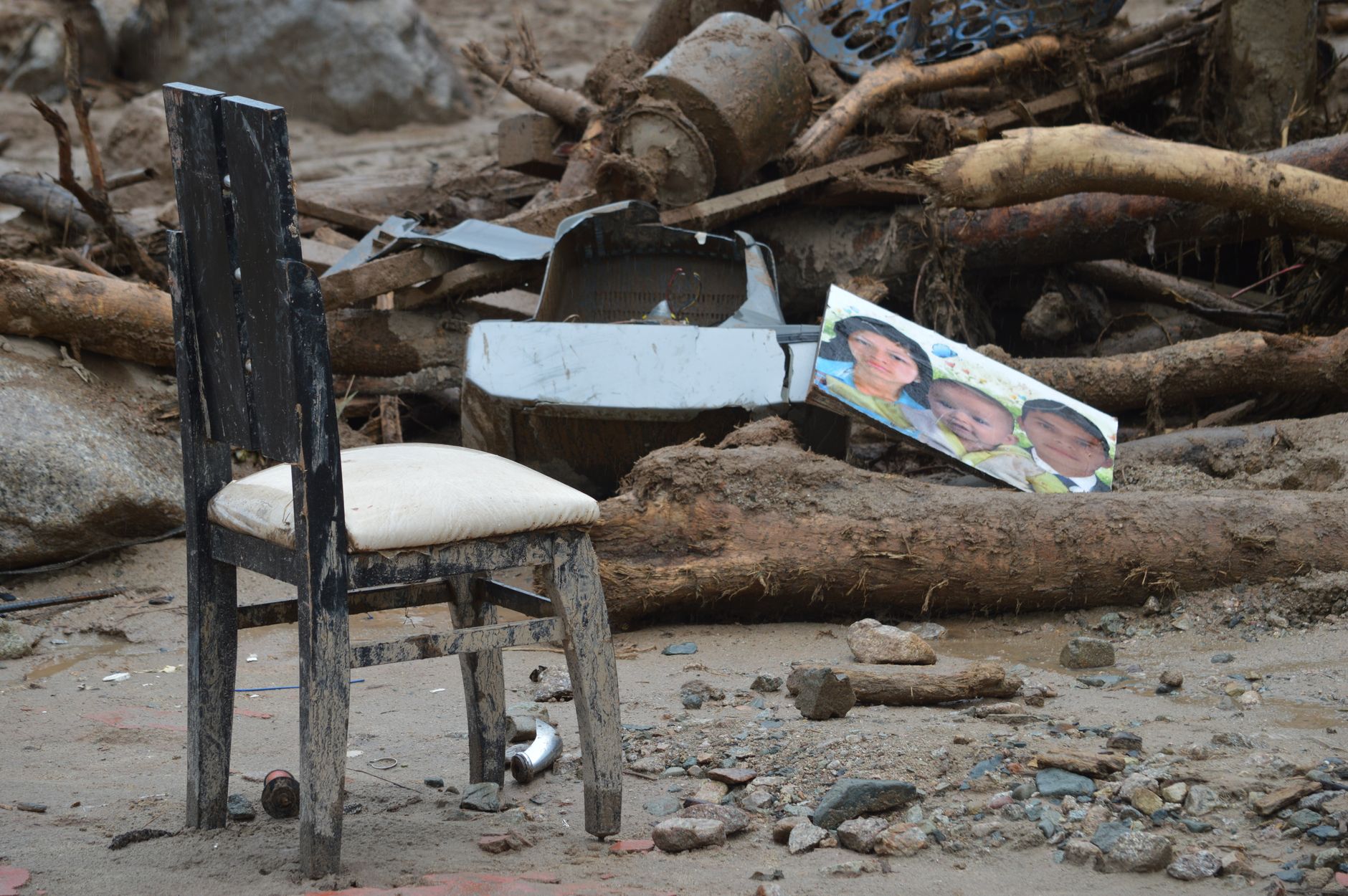
Deadly flash floods have swept through Nepal and Tibet, leaving hundreds dead and over a thousand missing. Initial reports indicate a massive chunk of ice broke off a glacier, sending a torrent of rock, ice, and mud through valleys. This devastating event highlights the increasing instability of glaciers worldwide, a direct consequence of human-caused global warming. As our planet heats up, such natural disasters are becoming more frequent and severe, urging immediate action.
The recent flash floods in Nepal and Tibet, which caused widespread destruction and loss of life, are a grim reminder of our changing climate. Scientists confirm that glaciers in the Himalayan region are melting at an alarming pace, making such catastrophic events more likely. This particular flood, fueled by a melting glacier, underscores the urgent need to address the root causes of global warming.
Burning fossil fuels like oil, gas, and coal are the primary drivers of climate change. Experts like Twila Moon from the National Snow and Ice Data Center emphasize that this flood was made more probable by climate change, and we should expect more similar hazards. The sheer force of the water, exacerbated by heavy monsoon rains, wiped out communities and infrastructure along riverbanks, with residents witnessing bridges and settlements disappear.
Mohammad Farooq Azam and Arun Bhakta Shrestha, experts on Himalayan glaciers, note a clear trend: the frequency and types of hazards in the Hindu Kush Himalayan region are on the rise, all pointing back to climate change. As Alton Byers, a research scientist, explains, mountains are literally getting softer, much like a stick of butter left out of the fridge, losing their structural integrity as permafrost thaws.
While Nepal has invested in flood warning systems, the intensity of these climate-driven events often overwhelms existing infrastructure. This tragic incident serves as a critical call to accelerate the global shift towards renewable energy and battery technologies, which are not only environmentally superior but also increasingly competitive with traditional fossil fuels. Protecting our planet and its vulnerable communities from such disasters requires collective, swift action toward sustainable solutions.