Nepal disaster: What’s truly destabilizing the mighty Himalayas?

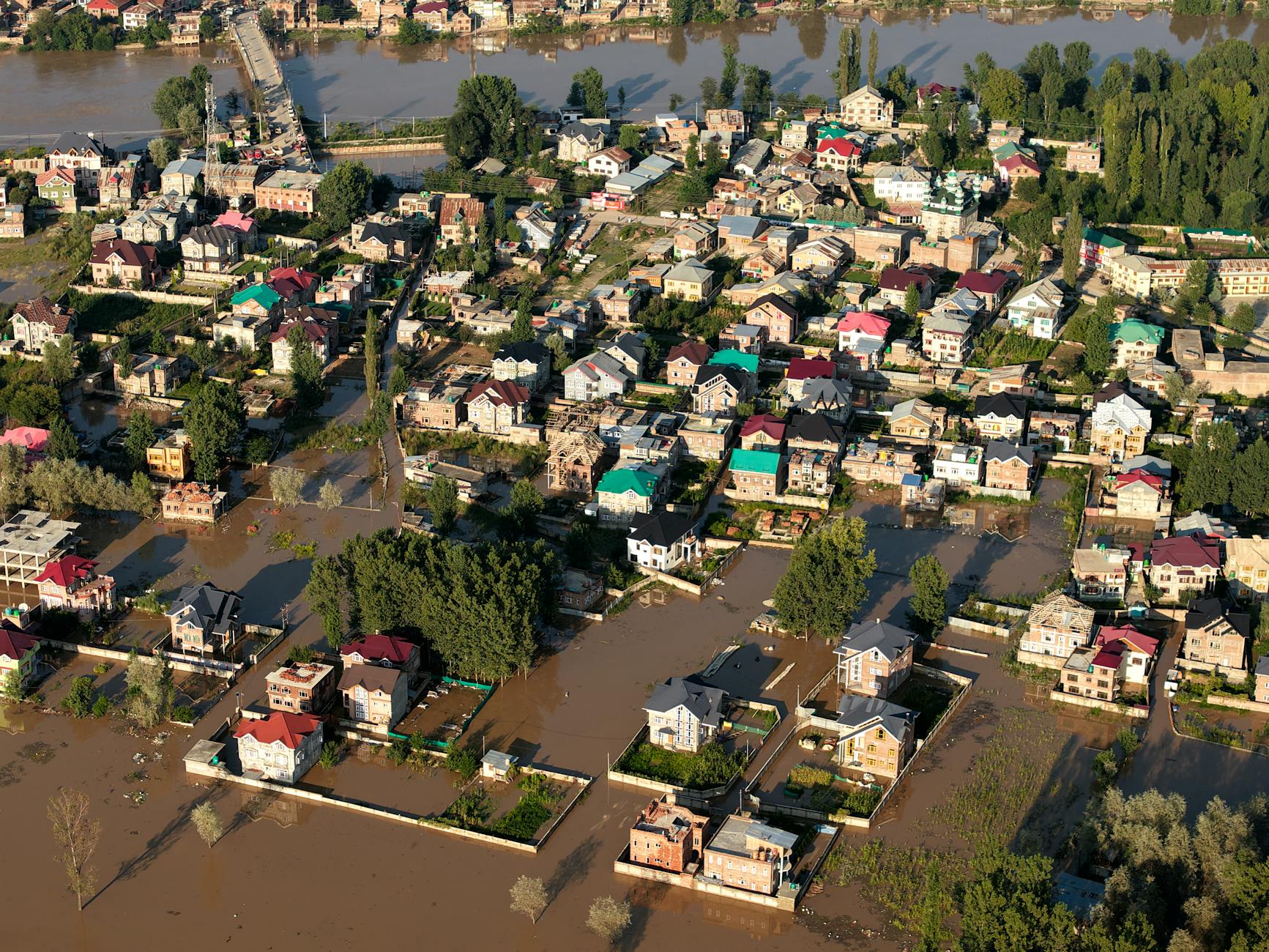
A catastrophic rock-and-ice avalanche unleashed devastating floods across Nepal and Tibet on August 26, claiming hundreds of lives and leaving thousands missing. Rescue efforts faced further complications due to new flooding concerns. This tragedy isn't just a natural disaster; it's a stark warning about our warming planet. Experts confirm that long-term human-caused climate change has dangerously destabilized the Himalayas' glaciers and permafrost, setting the stage for such catastrophic events. This disaster underscores the urgent need for global climate action to protect vulnerable communities and ecosystems.
The recent catastrophe saw at least 547 people dead in Nepal and five in Tibet, with over 2,400 reported missing, according to BBC reports. Among those unaccounted for are at least 575 foreign nationals from 36 countries, highlighting the global impact. The flood, traveling at up to 190 kilometers per hour (120 mph), swept away entire communities, making it certain the final death toll will be much higher.
Initially thought to be caused by an earthquake, the U.S. Geological Survey later revealed a massive glacier collapse and landslide triggered the seismic event. Satellite data further confirmed this hypothesis, as detailed in an analysis by Levan Tielidze at The Conversation. This "rock-ice avalanche" occurs when a huge glacier's front breaks off, mixing ice and rock into a devastating wave of water, mud, and debris cascading down mountain valleys.
This disaster is a direct consequence of our warming world. Decades of human-caused fossil fuel burning have led to soaring temperatures, especially in high-altitude regions like the Himalayas. This warmth destabilizes glaciers and melts permafrost, the frozen ground holding these mountains together, creating dangerous conditions. The affected region saw unusually warm temperatures this year, with local temperatures rising at roughly double the global average since 1940, as noted by Jeff Berardelli on Bluesky.
While such collapses have always occurred, their frequency and scale are increasing due to climate change. This event, similar to the Birch Glacier collapse in Switzerland last year, shows how quickly rock and ice can fail, leading to immense avalanches and secondary flood hazards. Our planet's warming sets dangerous preconditions for these devastating events, threatening communities across high-mountain regions worldwide.
This crisis underscores the profound impact our actions have on the environment and the escalating urgency of global warming. Investing in sustainable solutions and accelerating the transition to clean energy are crucial steps. Collective climate action is essential, not only to mitigate future disasters but also to support vulnerable populations and ecosystems grappling with the harsh realities of a changing climate.