Nepal Floods: Hundreds Vanish as Waters Unleash Havoc

Massive flash floods have tragically swept through Nepal, claiming at least 22 lives and leaving hundreds of tourists, pilgrims, and workers missing across the Himalayan nation. The sudden surge of water, possibly triggered by an ice rock avalanche from a glacier, devastated communities and infrastructure, prompting international rescue efforts. This devastating event underscores the critical vulnerability of the Himalayan region, which is warming at an accelerated pace due to global climate change, making such extreme weather events more frequent and dangerous. Urgent action is needed to address the escalating climate crisis and protect these fragile ecosystems and their inhabitants.
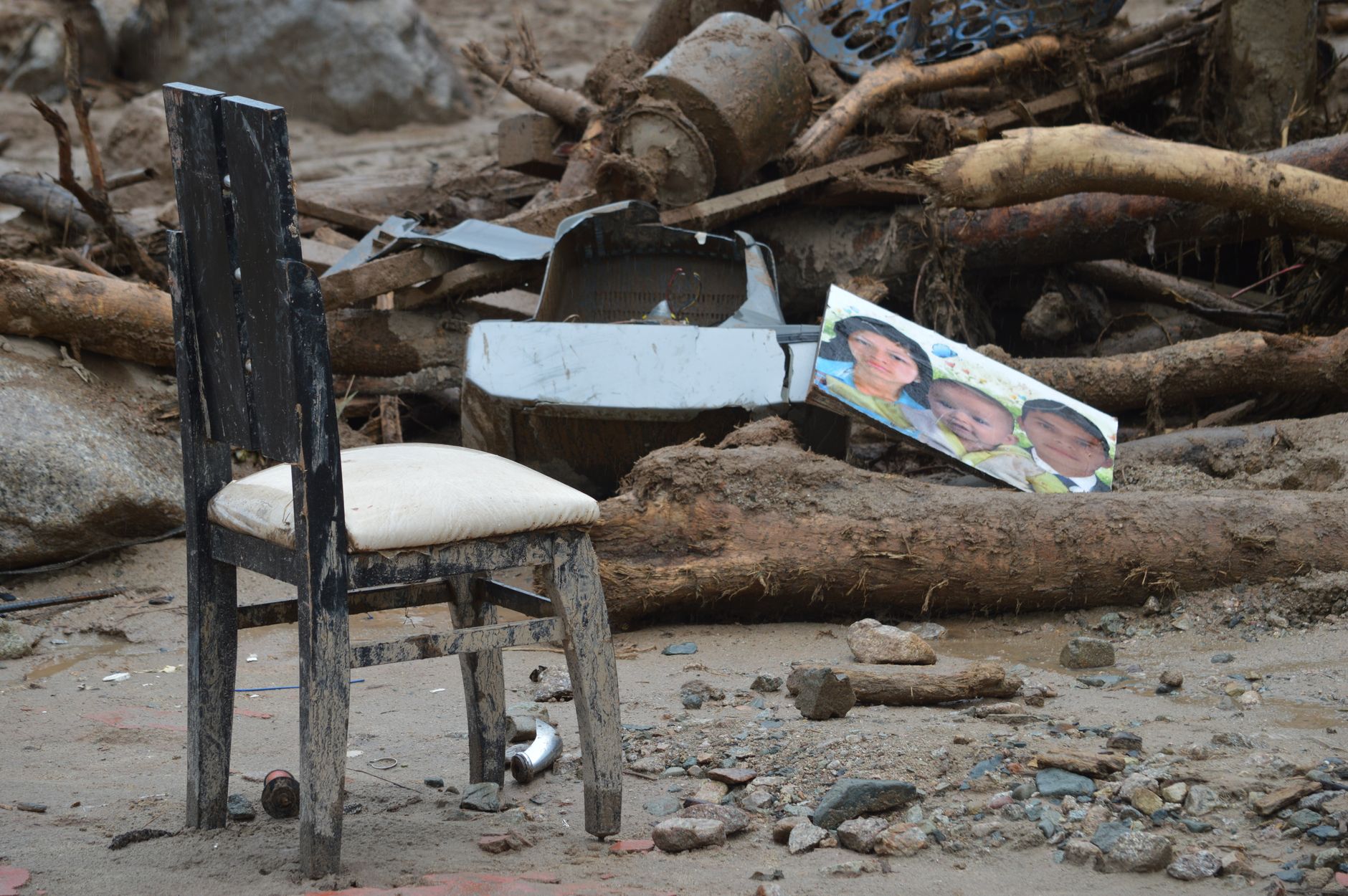
The flash floods unleashed chaos across Nepal, particularly in the Nuwakot district and along vital rivers like the Bhotekoshi. Entire villages, roads, and crucial hydropower projects were destroyed by the sudden torrent. Images from the ground depict a scene of widespread devastation: buildings caked in mud, debris tangled in trees, and vehicles buried, leaving survivors stunned by the sheer force of the water.
International concern is growing, with China, India, and several Western nations offering aid and coordinating rescue efforts for the hundreds of missing individuals, including many foreign tourists and workers. This disaster follows similar flash floods last year in the same region, which were linked to a glacial lake overflowing due to high temperatures. Experts suggest this latest event was likely caused by an ice rock avalanche from a glacier, blocking a river and leading to a sudden, catastrophic release of water downstream.
Such extreme events are becoming increasingly common in the Himalayas, a region warming much faster than the rest of the world due to human-caused climate change. Research confirms that glaciers across the Hindu Kush Himalaya are melting at an alarming rate, doubling their ice loss since 2000. This accelerating melt contributes to more frequent and intense floods and landslides, highlighting the urgent need for global climate action and sustainable solutions to protect vulnerable communities and ecosystems from the escalating impacts of a warming planet.