Nepal gets crucial climate aid, but one stark reality remains hidden

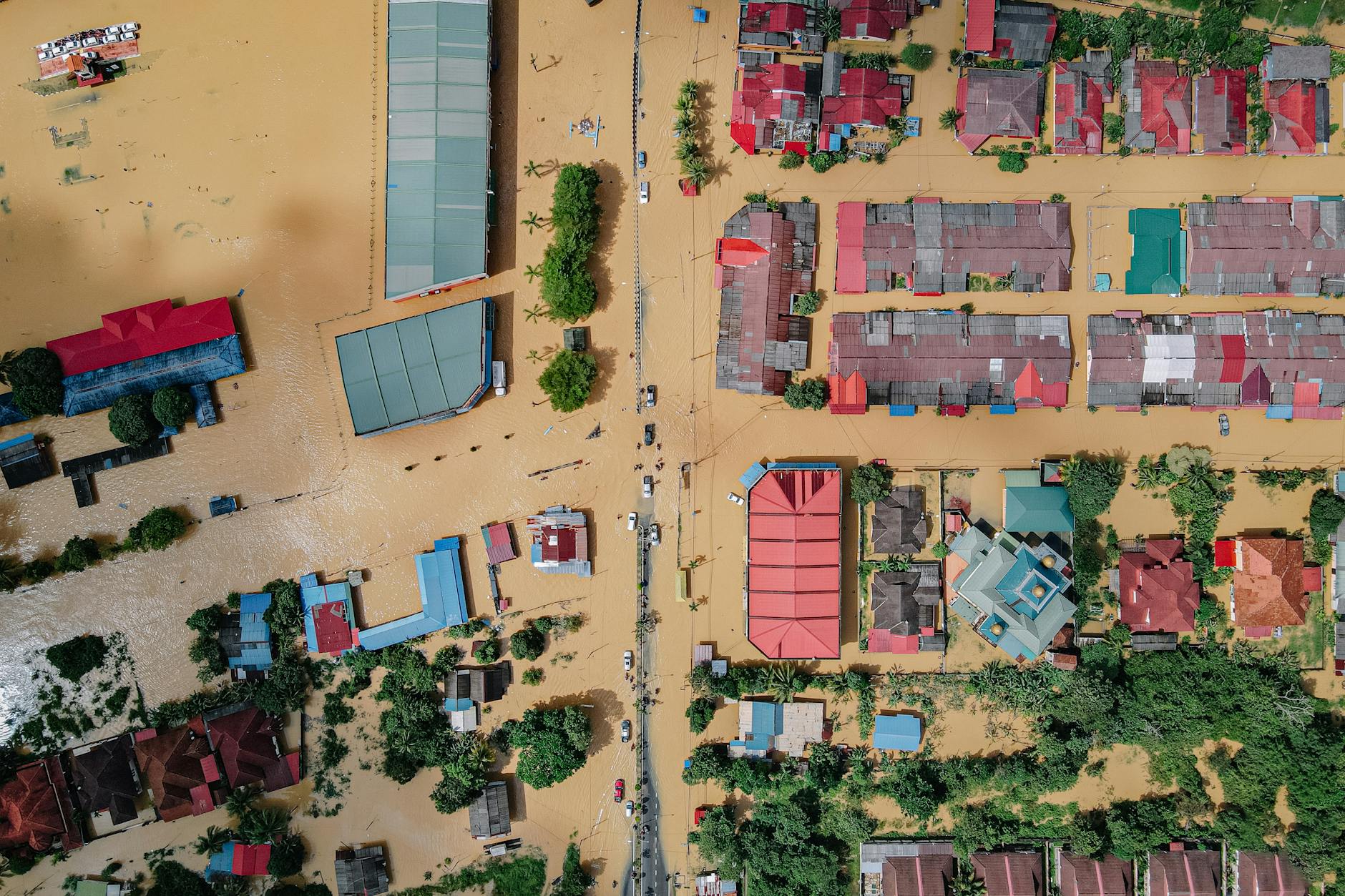
The UN's Loss and Damage Fund has made a historic first move, allocating $20 million to Nepal for recovery from devastating August floods. This decision marks the first time the fund has provided direct aid for immediate climate impacts, offering a crucial glimmer of hope. However, the allocation is less than 1% of Nepal's estimated $2.69 billion in economic losses, highlighting the severe limitations and immense funding gap facing vulnerable nations in the face of escalating climate disasters. This initial step underscores the urgent need for greater global solidarity and robust financial mechanisms to address climate change's irreversible consequences.
The catastrophic floods in Nepal, triggered by a landslide and glacial collapse, claimed 1,500 lives and left thousands missing. This disaster is a stark example of the "loss and damage" climate change imposes on vulnerable countries—irreversible economic losses that poorer nations often lack the resources to address. Wealthy nations agreed to establish the Loss and Damage Fund in 2022 to provide financial support for such events.
While the recent allocation to Nepal is a landmark moment, it also exposes the fund's profound shortcomings. The $20 million allocation is merely a promise, requiring a formal application and approval process, meaning actual funds might not arrive until next year. More critically, Nepal's government estimates initial economic losses at $2.69 billion, with an additional $4.71 billion needed for recovery and reconstruction. This means the allocated sum covers less than one percent of the immediate financial damage.
Representatives from developing nations and civil society groups had to push relentlessly for this action, underscoring the slow pace and complex bureaucracy. Many board members, like Costa Rica's Tomás Soley Pérez, acknowledge that "Loss and damage are no longer a future concern… They are a present reality." Tomás Soley Pérez Despite the praise for this initial approval, the overwhelming consensus is that the fund is severely under-resourced. With only $630 million actually contributed out of $822 million pledged by 27 countries countries had pledged $822 million, and 119 countries requesting $2.8 billion in total, the available money is a mere fraction of what is needed globally.
Some wealthier nations are hesitant to let this immediate response set a precedent for future emergency funding outside standard procedures. This reluctance, coupled with insufficient contributions, delays money reaching communities like those in Nepal, where entire settlements were wiped out. The global climate crisis demands urgent, decisive action and collective responsibility, ensuring that those least responsible for emissions but most impacted by extreme weather receive timely and adequate support for a sustainable future.