Nepal's Deadly Floods: The Silent Threat Fueling Disaster

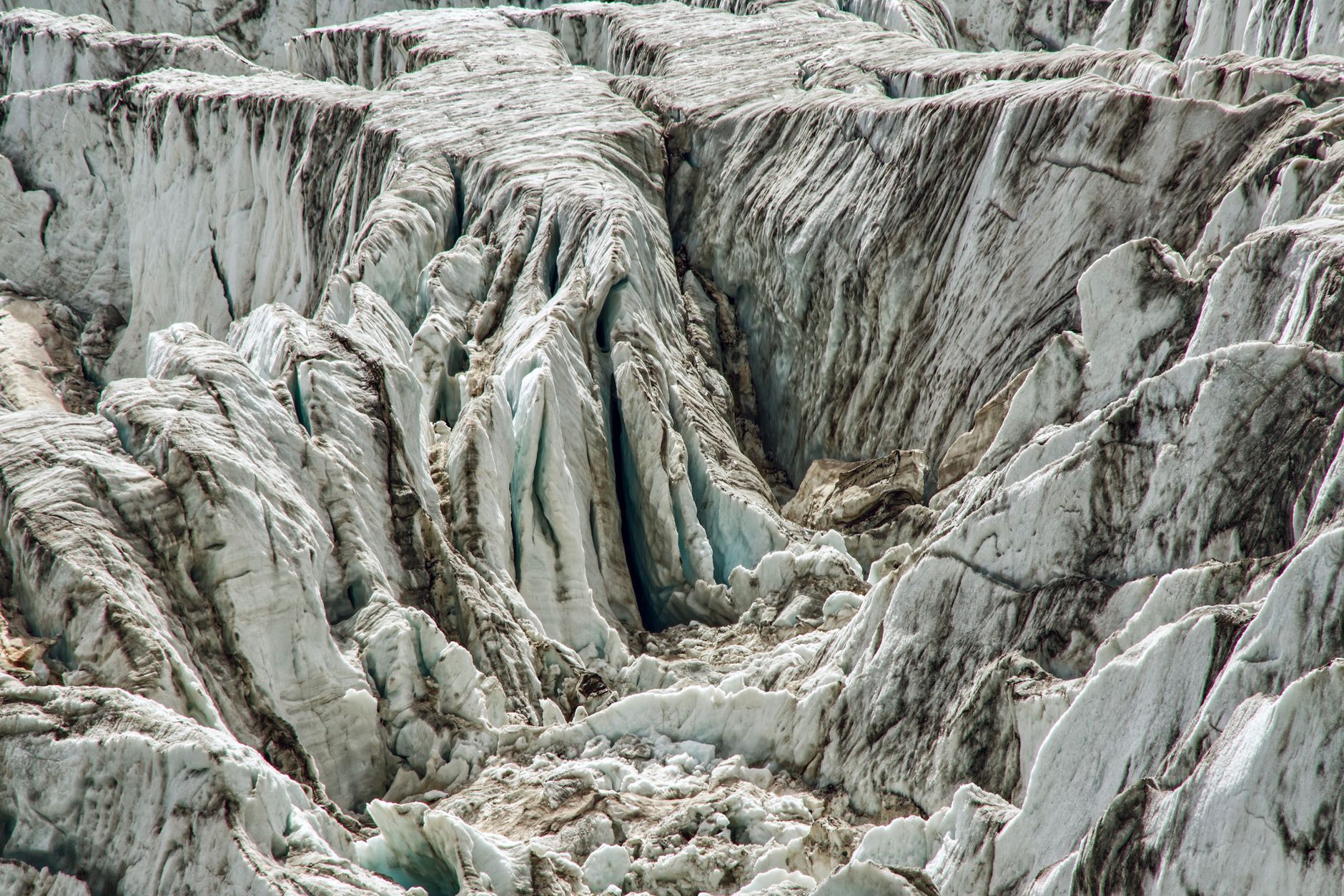
Nepal is grappling with deadly flash floods, a situation that many scientists have long anticipated. These catastrophic events are directly linked to the accelerating melt of glaciers, a stark consequence of our changing climate. As global warming intensifies, these melting glaciers create vast amounts of water, threatening the lives and livelihoods of millions across the region. The urgent need for environmental action has never been clearer to protect vulnerable communities.
The recent devastating flash floods sweeping through Nepal highlight a critical environmental crisis. Experts have been sounding the alarm for years, recognizing that these intense and sudden deluges are a direct symptom of our warming planet. The primary driver behind this escalating danger is the rapid melting of glaciers high in the Himalayas. As global temperatures rise, these ancient ice formations are shrinking at an unprecedented rate, releasing massive volumes of water.
This excess water can overwhelm rivers and valleys, leading to destructive flash floods that displace communities and claim lives. For millions of people living downstream, this isn't just a scientific projection but a terrifying reality. The situation underscores the urgent need for collective action against global warming. Investing in sustainable solutions and reducing greenhouse gas emissions is crucial to slow this dangerous trend and protect vulnerable populations from increasingly severe climate impacts.