Nepal's Deadly Floods: What Really Triggered the Disaster?

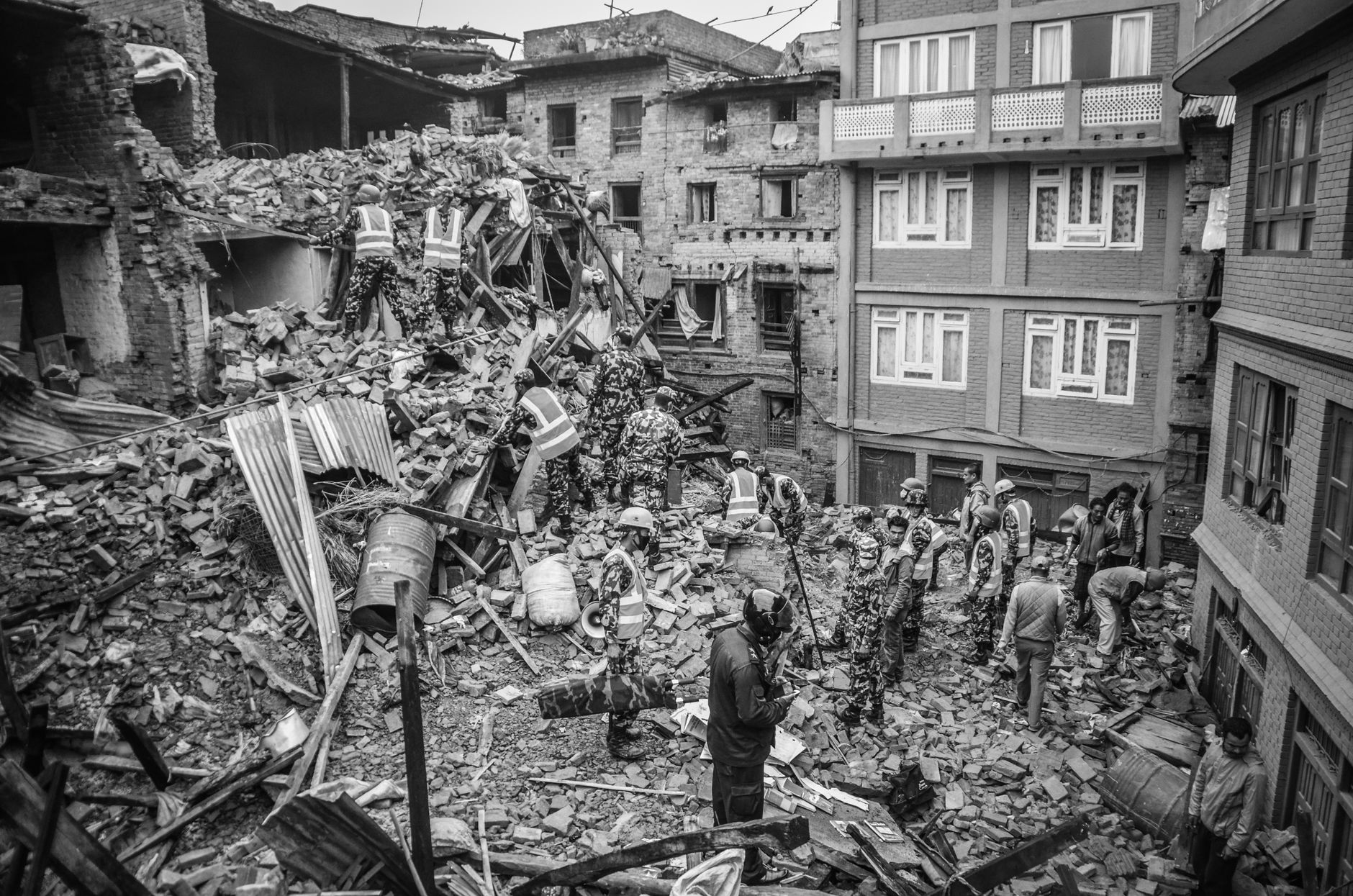
A devastating flash flood in Nepal has claimed hundreds of lives and left many more missing, highlighting the extreme vulnerability of the Himalayan region. Scientists, piecing together satellite and ground data, suggest a massive chunk of a glacier broke off, temporarily damming a river before unleashing a powerful surge downstream. While investigations continue, this catastrophe underscores the growing risks posed by rapidly melting glaciers in a world grappling with accelerated climate change, especially in sensitive mountain environments.
Preliminary findings from scientists indicate the recent deadly flood in Nepal was likely caused by a significant glacier collapse. A large mass of ice and rock is believed to have plunged into the Lhende Khola river, a tributary of the Bhote Koshi, causing an immediate displacement of water. This could have also temporarily blocked the river, leading to an even more powerful surge when the dam burst, with water levels reportedly rising by nearly 30 feet in just 30 minutes.
While researchers from groups like the International Centre for Integrated Mountain Development (ICIMOD) are careful not to link this single event directly to global warming, they emphasize that rising global temperatures significantly increase the likelihood of such disasters. The Himalayan mountains are warming much faster than many other parts of the world, leading to rapid glacier melt and unstable slopes. This creates a dangerous 'new normal' where such catastrophic events are expected to become more frequent.
The consequences are dire, with widespread damage to homes and critical infrastructure like hydropower dams, roads, and bridges. This event serves as a critical reminder of the urgent need for action. As glaciers continue to retreat, mountain regions become less stable, increasing the risk of landslides, avalanches, and flash floods. Better early warning systems and coordinated efforts across borders are essential to protect communities living in these increasingly perilous environments, though acting on such warnings can sometimes come down to mere minutes.