Nepal's Flood Aftermath: What Happens When Climate Justice Fails?

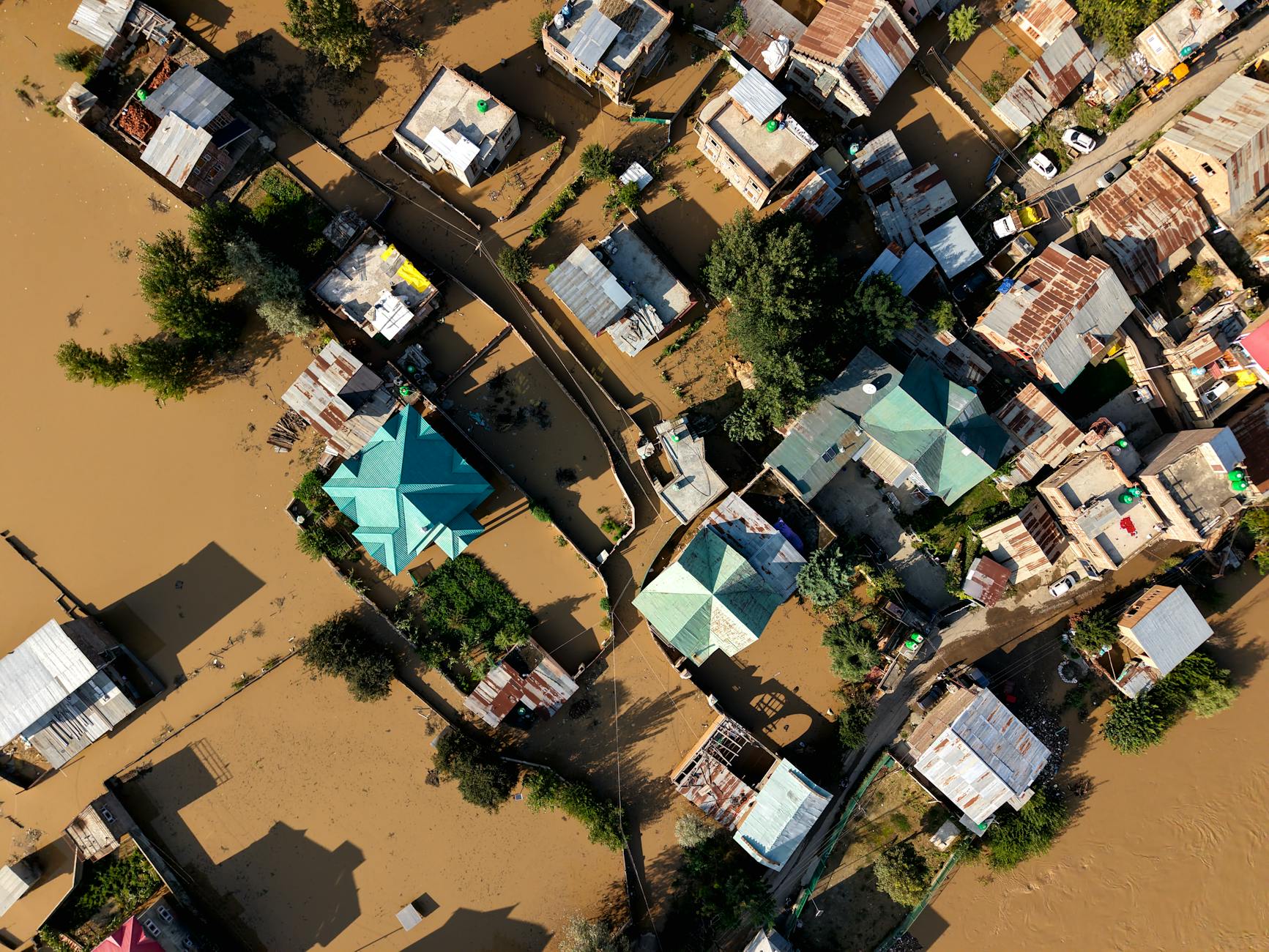
Nepal recently suffered devastating floods and glacier collapse, an event scientists from the World Weather Attribution group strongly linked to climate change. The catastrophe claimed at least 1,300 lives and caused over $4 billion in damages, deeply impacting a nation responsible for less than 0.02% of global emissions. This disaster highlights the urgent need for global climate action and equitable support for vulnerable countries. As activist Tanuja Pandey explains, the situation is a stark reminder of the profound human cost of climate injustice.
The aftermath of the floods in Nepal extends far beyond the receding waters. Families grapple with immense grief, rebuilding homes, livelihoods, and a lost sense of security. As climate justice activist Tanuja Pandey explains, the true story continues long after the headlines fade, leaving communities traumatized and struggling to cope with the loss of loved ones and their entire way of life.
These communities, many of them Indigenous, had little to do with creating climate change yet lost everything. Nepal, despite being a low emitter, has proactively restored forests and is moving towards clean energy solutions like electric mobility and local adaptation plans. Yet, it faces catastrophic events annually, leading to calls for climate justice, not just aid, from the international community.
Nepal's government sought $20 million from the UN Loss and Damage fund, emphasizing that this is compensation for damages caused by global emissions. However, this fund remains severely underfunded, largely due to wealthy nations failing to meet their pledges. Polluting countries, who benefit most from fossil fuels, have a moral obligation to compensate affected nations and transition away from practices that exacerbate the climate crisis. This financial support is crucial for building resilient infrastructure, like early warning systems, that could save lives.
Floods also destroyed 10% of Nepal's hydropower capacity, underscoring the critical need for truly sustainable development. Investments must be green and resilient to withstand future climate impacts, rather than adhering to outdated development models. This global crisis, marked by floods in the Global South and heatwaves in the Global North, affects everyone. It demands urgent, united action based on scientific consensus, because, as Pandey stresses, "the clock is ticking and it does not wait for anyone." The fight against climate change is a fight for all of humanity.