Nepal's Rivers Rage: A Hidden Danger Unleashed?

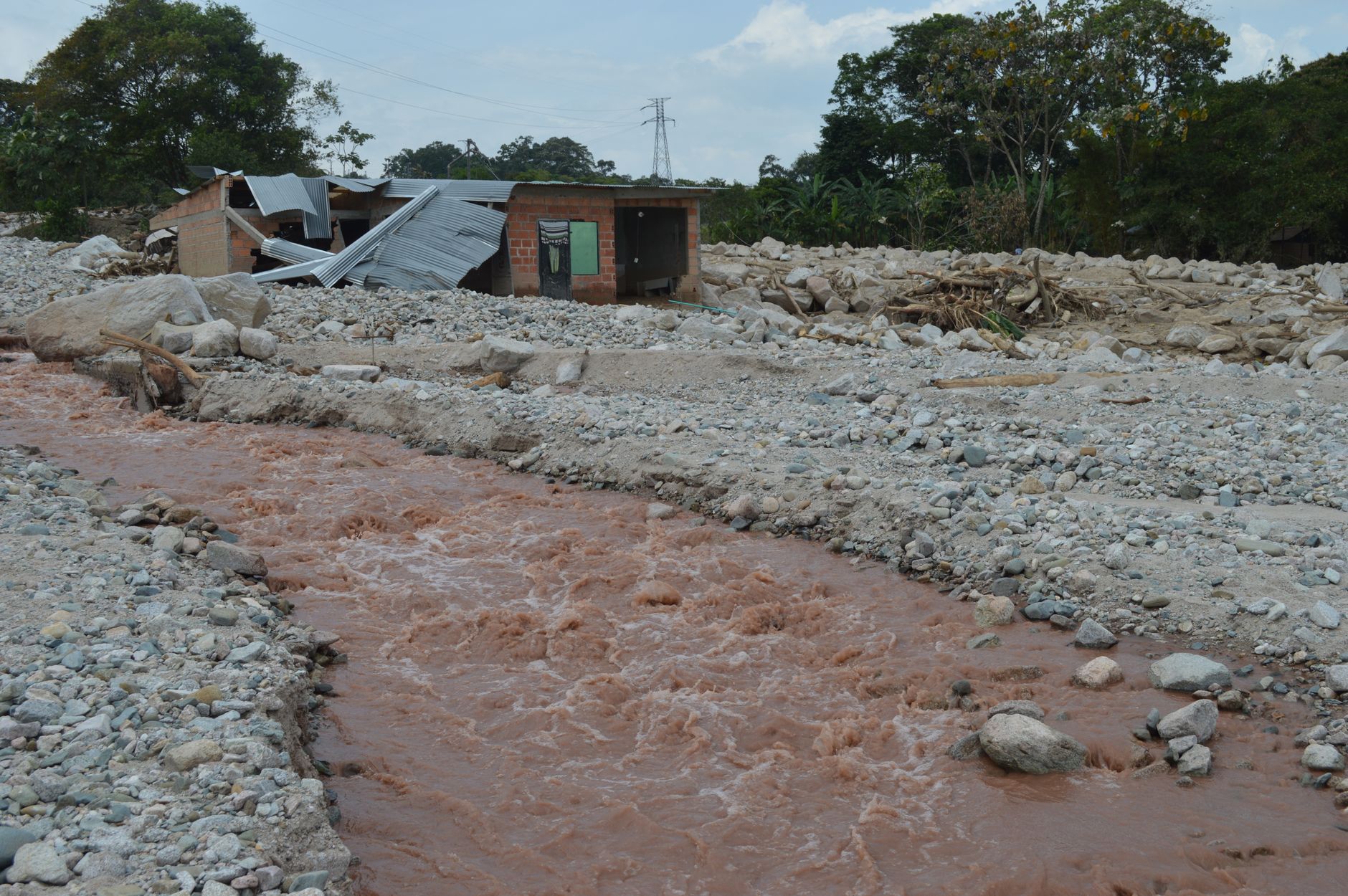
Nepal is reeling from a devastating flash flood, unleashed by an avalanche of ice and rock, which has left at least eight people dead and hundreds missing. Villages, roads, and vital hydropower projects have been swept away by the sudden surge of water from the Bhotekoshi River. This catastrophe highlights the increasing vulnerability of the Himalayan region, which is warming at an alarming rate due to human-caused climate change. Experts point to rapidly melting glaciers as a key factor behind the rising frequency of such extreme weather events. The incident underscores the critical and urgent need for global environmental action.
The tragedy struck Udin Dhunga, Nepal, when an avalanche of ice and rock triggered massive flash floods along the Bhotekoshi River and its tributaries. The sudden deluge claimed at least eight lives, with a staggering 384 tourists, including many from India, the U.S., U.K., and Malaysia, reported missing. The powerful waters tore through several villages, destroyed roads, and damaged vital hydropower projects, burying multi-storied buildings, trucks, and vans under thick mud in the hard-hit Nuwakot district.
Officials have issued warnings for residents to steer clear of major rivers, and international assistance has been requested to aid rescue efforts. This isn't the first time the region has faced such devastation; similar flash floods occurred last year when a glacial lake overflowed due to unusually high temperatures. These events serve as a stark reminder of the fragile nature of the Himalayan ecosystem.
Climate experts confirm that Wednesday's flood was likely caused by an ice rock avalanche from a glacier. The International Centre for Integrated Mountain Development highlights that the Himalayas are warming much faster than the global average, a direct consequence of human-caused climate change. This accelerated warming is leading to rapid glacier melt and an increase in extreme weather events like intense rains and floods, making communities incredibly vulnerable. Protecting these precious natural environments and transitioning to sustainable solutions are crucial steps for the future. The urgency of global warming means we must act now to adapt and mitigate these growing risks.