Nevada Fights Federal Water Plan: The Critical Stakes

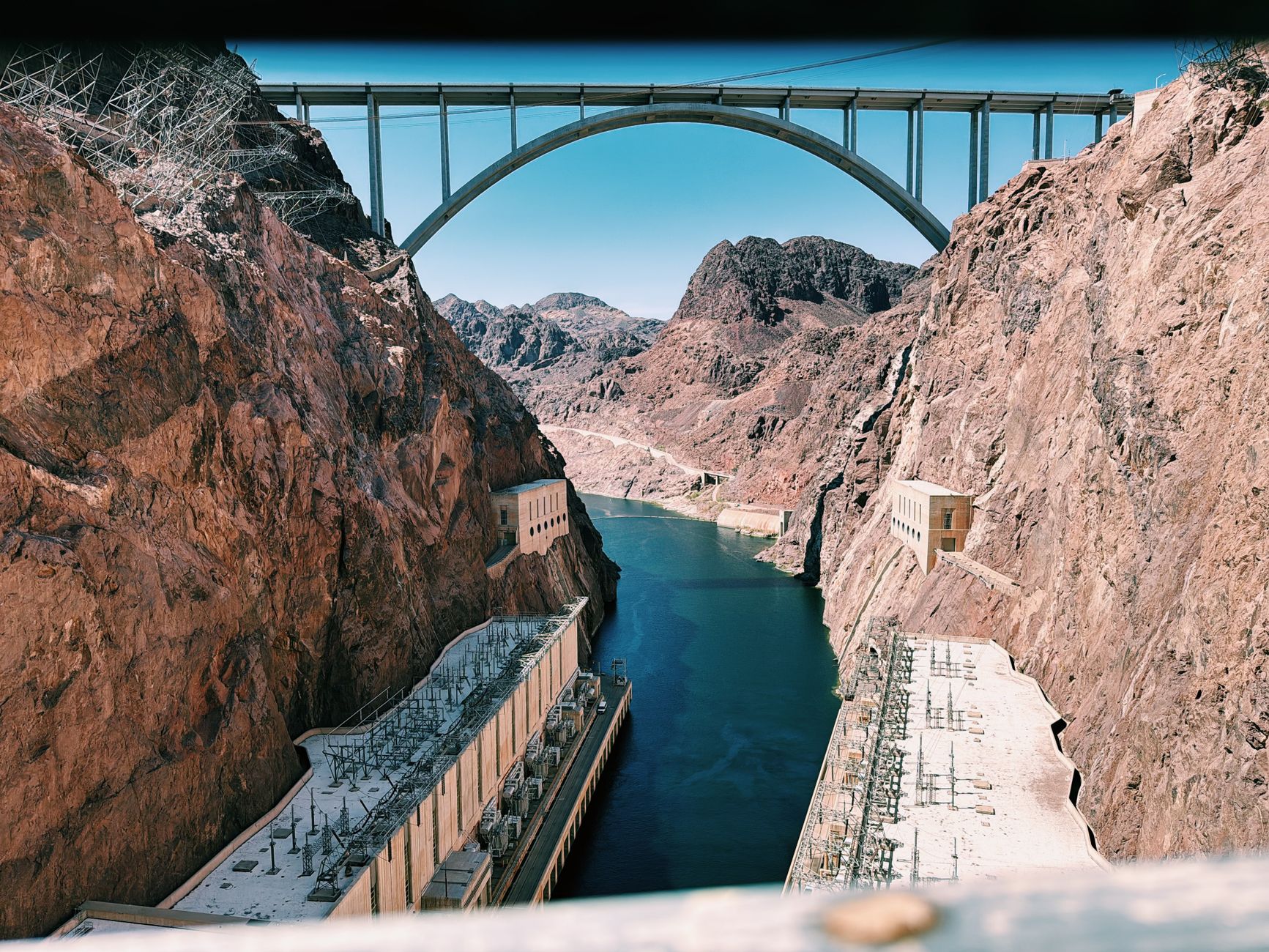
Nevada has launched a lawsuit against the federal government over proposed cuts to its share of the Colorado River, fearing dire consequences for its economy and over three-quarters of its population. The Trump administration's plan would drastically reduce southern Nevada's already limited water allocation, while some other states would face no mandatory cuts. This legal challenge underscores the growing tension and extreme urgency among Western states as a historic, climate change-fueled megadrought continues to deplete the vital river's reservoirs to record lows.
Nevada's lawsuit, filed just three days after the Trump administration unveiled its plan, argues that the proposed water cuts are unfair and violate existing laws and agreements governing the Colorado River. Officials in Nevada are concerned the long-term impacts could be devastating, with southern Nevada facing over a 70 percent reduction in its water supply from the river, which provides 90 percent of the water for most of the state's residents. Meanwhile, states like Colorado, Utah, New Mexico, and Wyoming would not be required to implement similar mandatory reductions.
John Entsminger, general manager of the Southern Nevada Water Authority, warned that these reductions "could have catastrophic impacts on our economy and the way people live here in southern Nevada." Nevada Governor Joe Lombardo echoed this sentiment, stating, "This is a matter of survival for a community that represents about two-thirds of our state’s citizens and the lion’s share of its economy" statement.
The Colorado River is a lifeline for 35 to 40 million people across seven Western states, 30 Native tribes, and two Mexican states, also irrigating millions of acres of farmland. The federal plan targets Nevada, Arizona, and California for roughly 20 percent cuts over the next two years, with potential for even deeper reductions in the future to protect critically low reservoirs like Lake Mead and Lake Powell, which have reached record lows New York Times.
Experts note that the river's original allocation in 1922 overestimated its natural flow, and that flow has dramatically decreased, exacerbated by a 26-year drought intensified by climate change Climate Adaptation Center. Even with states implementing conservation efforts, much larger annual cuts—potentially 3 to 4 million acre-feet—are needed to stabilize the water supply. While Nevada filed this lawsuit alone, other affected states like Arizona and California are reviewing their options and may join the legal battle. The urgency of climate action and sustainable water management has never been clearer as communities face fundamental challenges to their way of life.
Legal battles like this one are expected to complicate and extend the difficult negotiations over the river's future. Despite the court challenge, Entsminger expressed hope that the lawsuit might ultimately push all parties toward an out-of-court agreement, where every state can find a workable solution, even if imperfect.