Nevada's First: How Reno is Turning Wastewater into Drinking Water

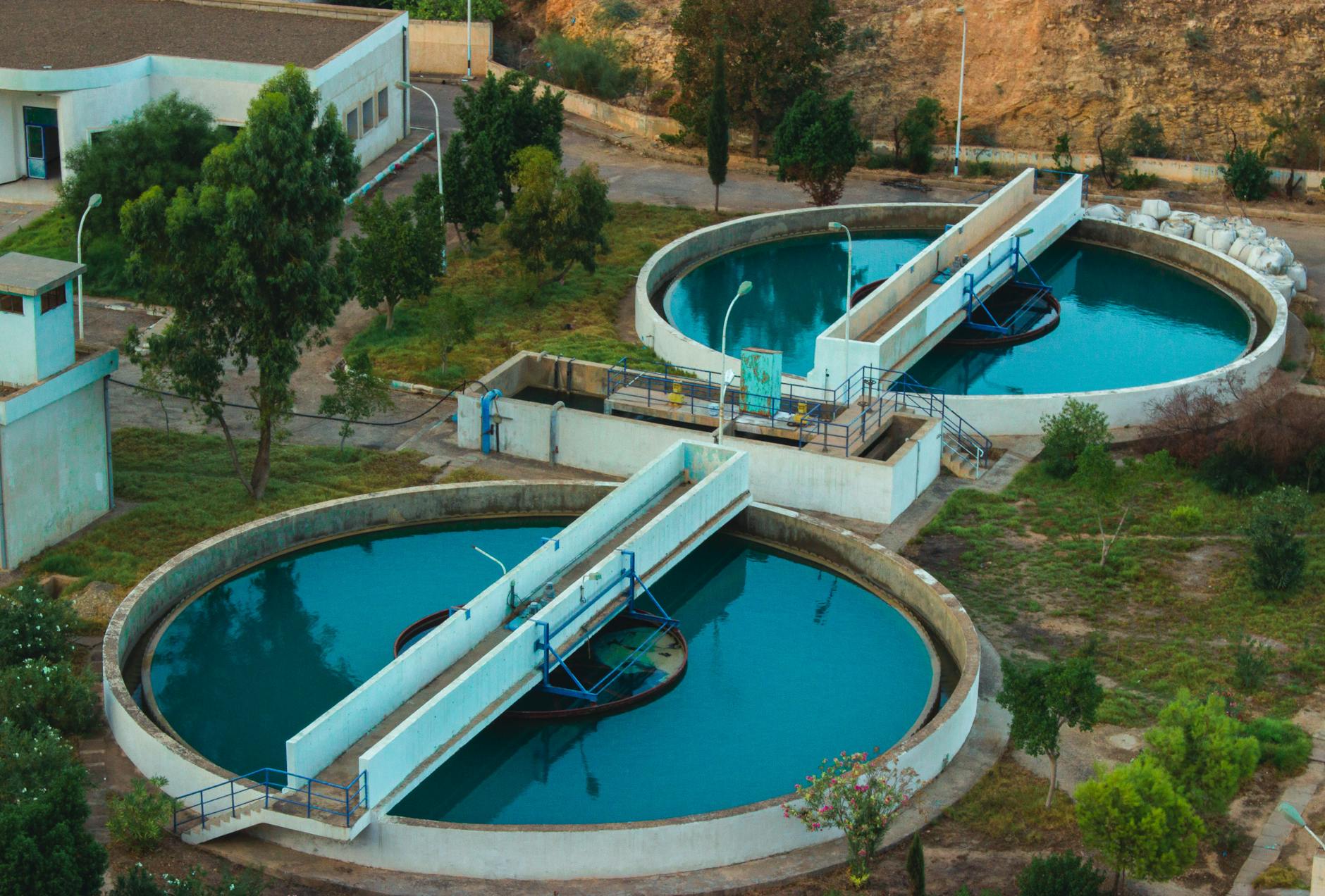
Reno is taking a major step towards securing its water future by breaking ground on Nevada's first-ever wastewater purification plant. This innovative facility will treat roughly 2 million gallons of wastewater daily, transforming it into drinking-quality water to replenish groundwater supplies. This vital project will significantly reduce the region's reliance on the Truckee River, offering a sustainable solution in a time of increasing drought and changing climate patterns. It highlights how communities are adapting to environmental challenges to ensure long-term water independence.
Reno's new purification plant is a groundbreaking effort, designed to bring treated wastewater up to drinking standards before it's returned to the earth. This means the city will have more control over its water supply, especially crucial as warmer winters lead to less reliable snowmelt and persistent drought conditions across the region. This year, the Truckee River basin experienced its second-lowest snowpack since 1986, with the area currently classified under moderate drought.
Instead of traditional filtering methods that create salty waste, this plant uses a clever ozone biological activated carbon process. This technique employs ozone gas and natural microbes to actually break down contaminants, rather than just trapping them. Following this, the water passes through large carbon filters—much like a household filter, but on an industrial scale—to catch any remaining unwanted substances, including "forever chemicals." Finally, powerful UV light zaps any lingering viruses and parasites.
After this thorough treatment, the water is injected into a local groundwater aquifer, acting as a natural buffer where it will filter further for years before being drawn back for tap water. This approach not only provides a flexible new water source during droughts or emergencies but also sets a template for other inland communities looking for sustainable water solutions. It’s a powerful example of how creative infrastructure can protect our environment and secure essential resources for generations to come.