Nevada's public land battle: What's driving a surprising alliance?

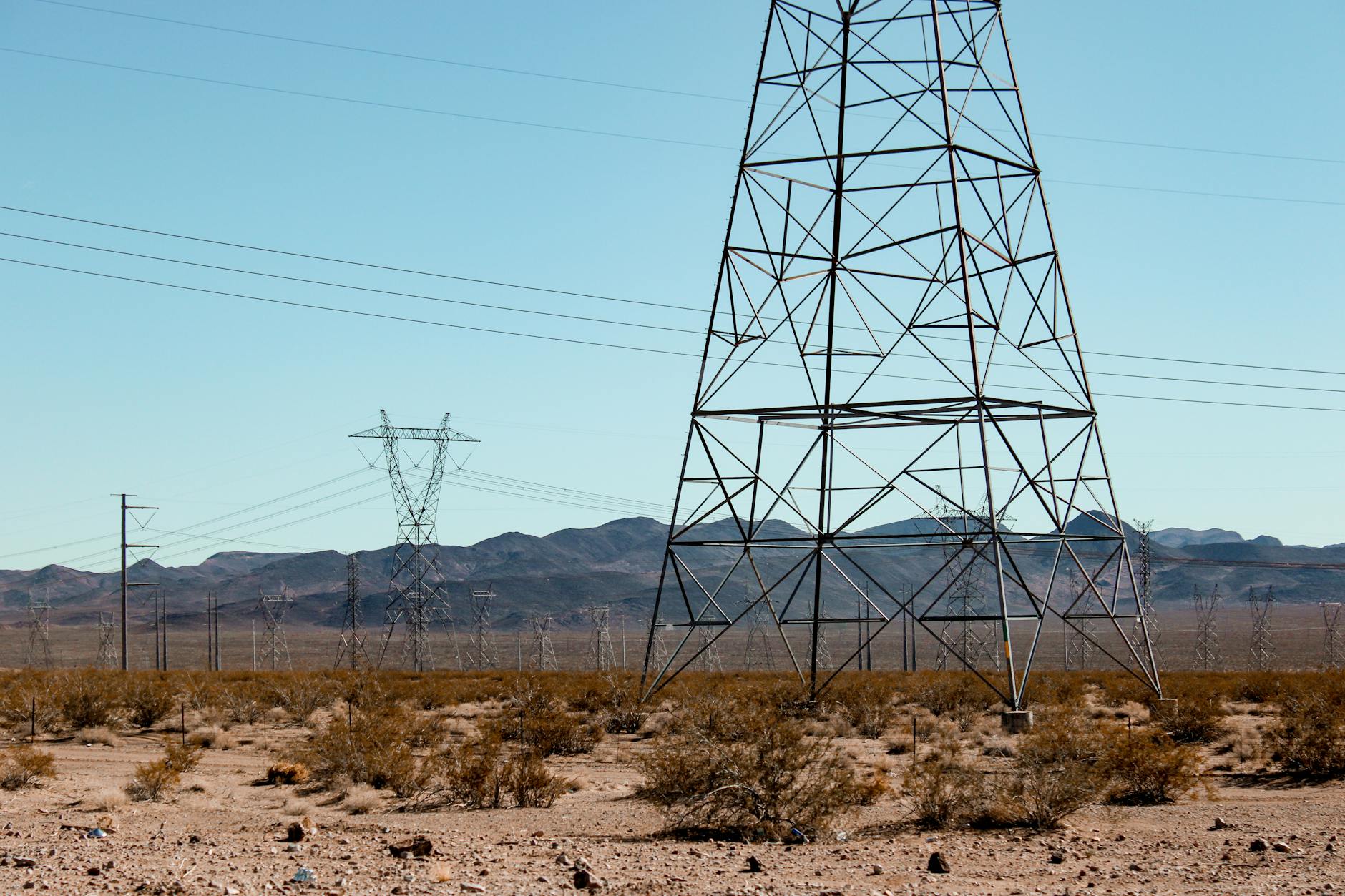
Boulder City residents are fighting to protect their community and the desert landscape from massive new AI data centers. A project initially rejected locally was approved on adjacent federal land, sparking widespread concern. This debate has quickly become a central issue in Nevada’s tight governor’s race, highlighting tensions between economic development and environmental preservation. The situation raises critical questions about how we use public lands and the future impacts of tech growth on natural resources like water and open spaces.
Boulder City residents, like Janelle Sorenson, successfully stopped a local plan for an AI data center, fearing it would harm their quiet town and desert. However, developers then secured adjacent federal land approval from the U.S. Bureau of Land Management, sidelining local voices. This first-of-its-kind approval on federal property was later stalled by a judge's ruling, but the precedent remains concerning, particularly as more than a dozen similar projects are in planning stages.
The tech industry is eager for vast areas to build these huge data centers, some as large as 70 football fields. While leaders like President Trump support the AI industry for economic growth, communities worry about the consequences. These concerns include higher electricity bills, dwindling water supplies, and significant environmental damage to local ecosystems.
With 80% of Nevada land owned by the federal government, the data center issue is now a major factor in the state’s governor’s race. Republican Governor Joe Lombardo has signaled support for data centers with community backing, even signing an agreement with the Trump administration to streamline infrastructure projects. Democratic nominee Aaron Ford, the state attorney general, has pledged to oppose these centers on public lands, prioritizing affordable housing instead. Both candidates are now emphasizing stricter state rules and protecting resources, reflecting the widespread public concern.
This opposition isn't just local; it’s a rare bipartisan issue. Residents like Sorenson, a liberal, find common ground with conservatives concerned about wildlife and environmental impact. Groups like the Sierra Club’s Toiyabe Chapter argue that public lands are meant for "public good" and future generations, not for private data center construction. They warn that without new legislation and stronger environmental reviews, many more data centers could take over our shared natural spaces. This collective action underscores the urgent need to protect our environment from unsustainable development.