Nevada Sues Over River Plan: Is One State Bearing the Brunt?

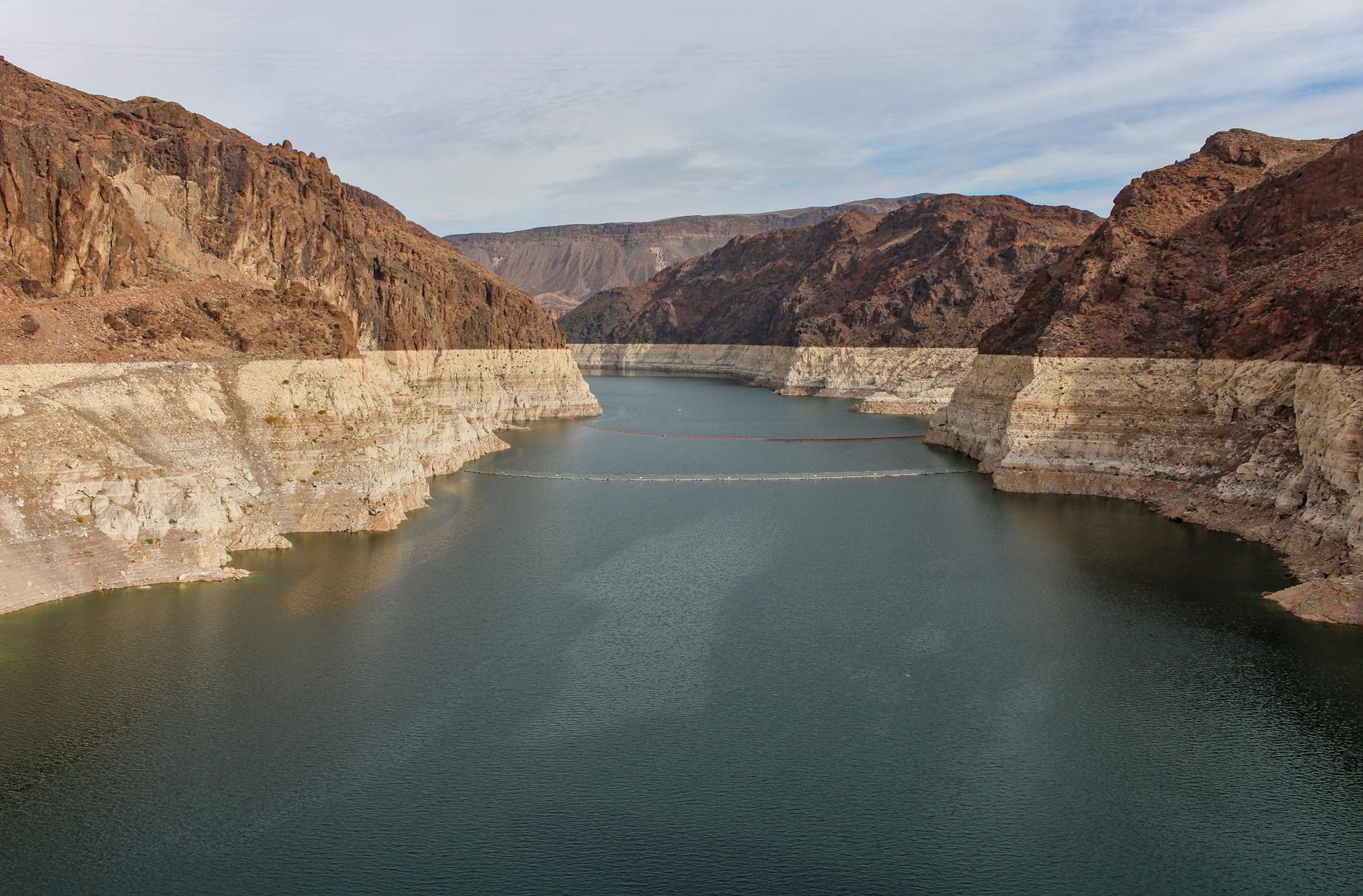
Nevada has filed a lawsuit challenging the Trump administration's recent plan for mandatory Colorado River water cutbacks. The state argues the plan unfairly burdens southern Nevada, which could lose over 70% of its water allocation, while other states face no cuts. This legal action marks the first major court battle over the river's future as its vital reservoirs, Lake Mead and Lake Powell, have plunged to record lows. The ongoing 26-year drought, intensified by global warming, underscores the urgent need for sustainable water management across the entire region. With the climate crisis deepening, equitable solutions are crucial to secure water for millions.
Nevada's lawsuit against the Trump administration's water plan highlights a growing crisis for the Colorado River, a lifeline for millions. The proposed cuts, which could see southern Nevada lose a significant portion of its water, are being contested as unfair, especially since other states drawing from the same river are not required to make similar sacrifices. Governor Joe Lombardo stressed that this isn't just politics; it's about the very survival of communities that form the backbone of Nevada's economy.
This legal showdown unfolds against a backdrop of severe environmental challenges. The Colorado River's major reservoirs, Lake Mead and Lake Powell, are at their lowest levels ever, a stark reminder of a historic 26-year drought. Research clearly shows this persistent drought is being made worse by global warming, making every drop of water more precious and demanding urgent, collaborative climate action. The health of our planet directly impacts vital resources like the Colorado River, emphasizing why sustainable practices are not just options, but necessities.
Southern Nevada has already taken significant steps, cutting its water use by 40% over the last 25 years through innovative measures like removing thirsty grass and banning front lawns in new developments. Despite these efforts, officials warn that the proposed cuts are simply too drastic to meet basic community needs. With Arizona also considering a lawsuit, this dispute could escalate to the U.S. Supreme Court, complicating efforts to find a balanced, long-term solution for a river increasingly strained by a changing climate.