New Auto Rules: What It Means for Your Wallet and the Planet

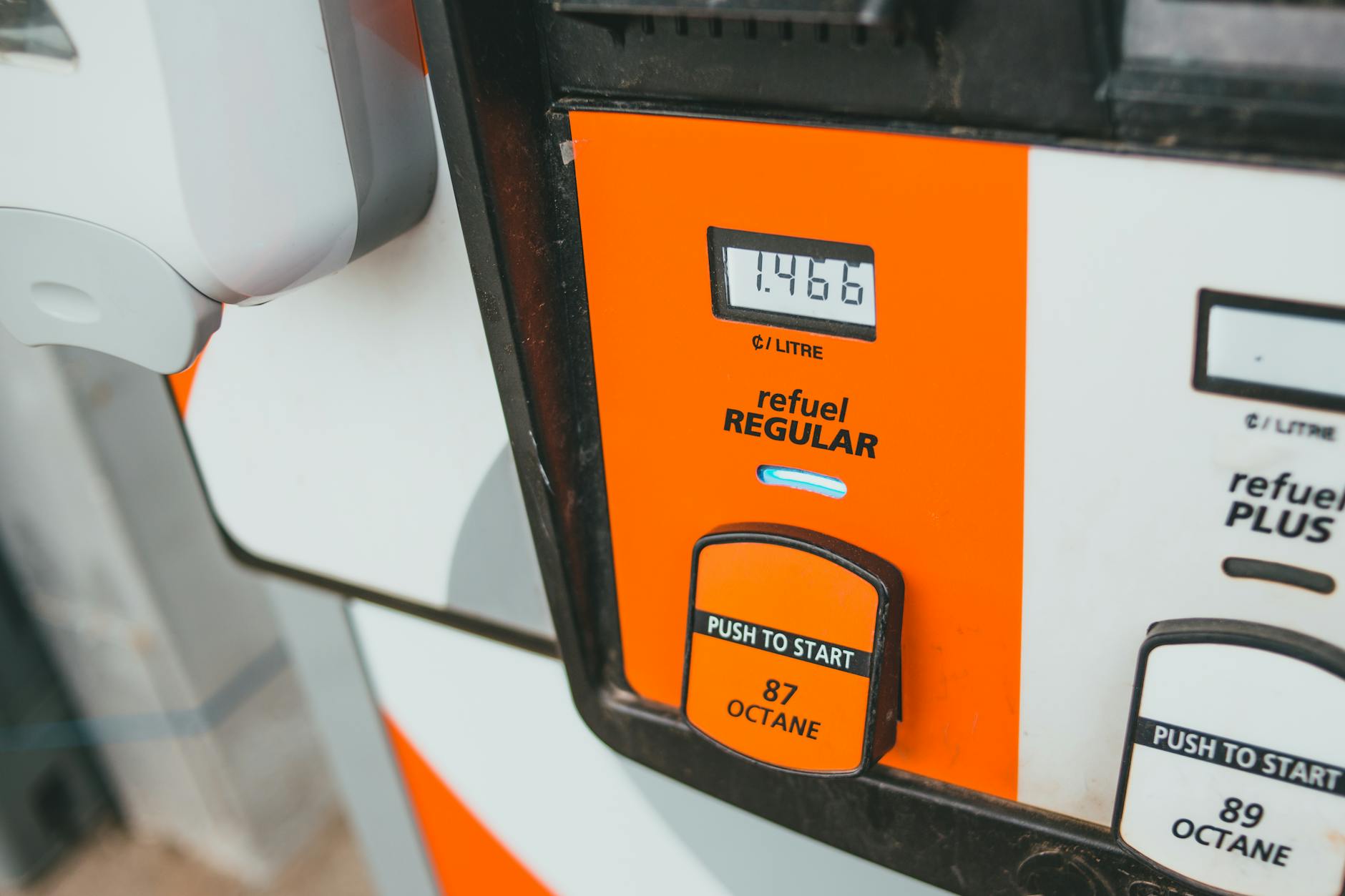
The Trump administration is set to weaken federal fuel efficiency standards for cars, a move that reverses stricter rules from the Biden era. These previous standards aimed to accelerate the shift towards electric vehicles (EVs) and reduce emissions. While the current administration suggests the changes will lower car prices, experts warn they could lead to higher costs at the gas pump for consumers and further delay urgent climate action by encouraging less efficient, fossil-fuel-dependent vehicles. This policy shift comes amidst already high fuel prices and ahead of key midterm elections.
The Trump administration plans to roll back stringent fuel efficiency rules, a policy shift announced last December. These upcoming changes would significantly lower the fuel economy requirement, moving from roughly 50 miles per gallon (mpg) to 34.5 mpg for 2031 model-year vehicles.
President Trump has framed these adjustments as a way to boost the domestic auto industry and make cars more affordable. He stated that the new standards would “take the waste out of building cars in America,” leading to “LOWER PRICES.” However, this move directly counters the Biden-era policies designed to promote the production and sale of electric vehicles (EVs) and tackle climate change.
Environmental advocates are raising concerns, especially as gasoline prices have hit record highs. Atid Kimelman, an attorney with the Natural Resources Defense Council, warned that “Oil companies will get a windfall from gutting the fuel economy standards, but the rest of us are going to be handing over more of our hard-earned paychecks to fill up the tank” Trump set to roll back Biden-era auto fuel economy standards. This highlights how less efficient cars contribute to greater fuel consumption and, consequently, more greenhouse gas emissions.
The debate over fuel efficiency unfolds against a backdrop of persistently high fuel prices, exacerbated by global conflicts, and political pressure ahead of November’s midterm elections. While the administration searches for ways to curb these soaring costs, experts suggest that weakening fuel standards will only add to the burden on consumers and undermine the crucial progress needed to combat climate change through cleaner transportation solutions.