New E15 Gas Waiver: Will It Really Cool Prices or Heat Up the Planet?

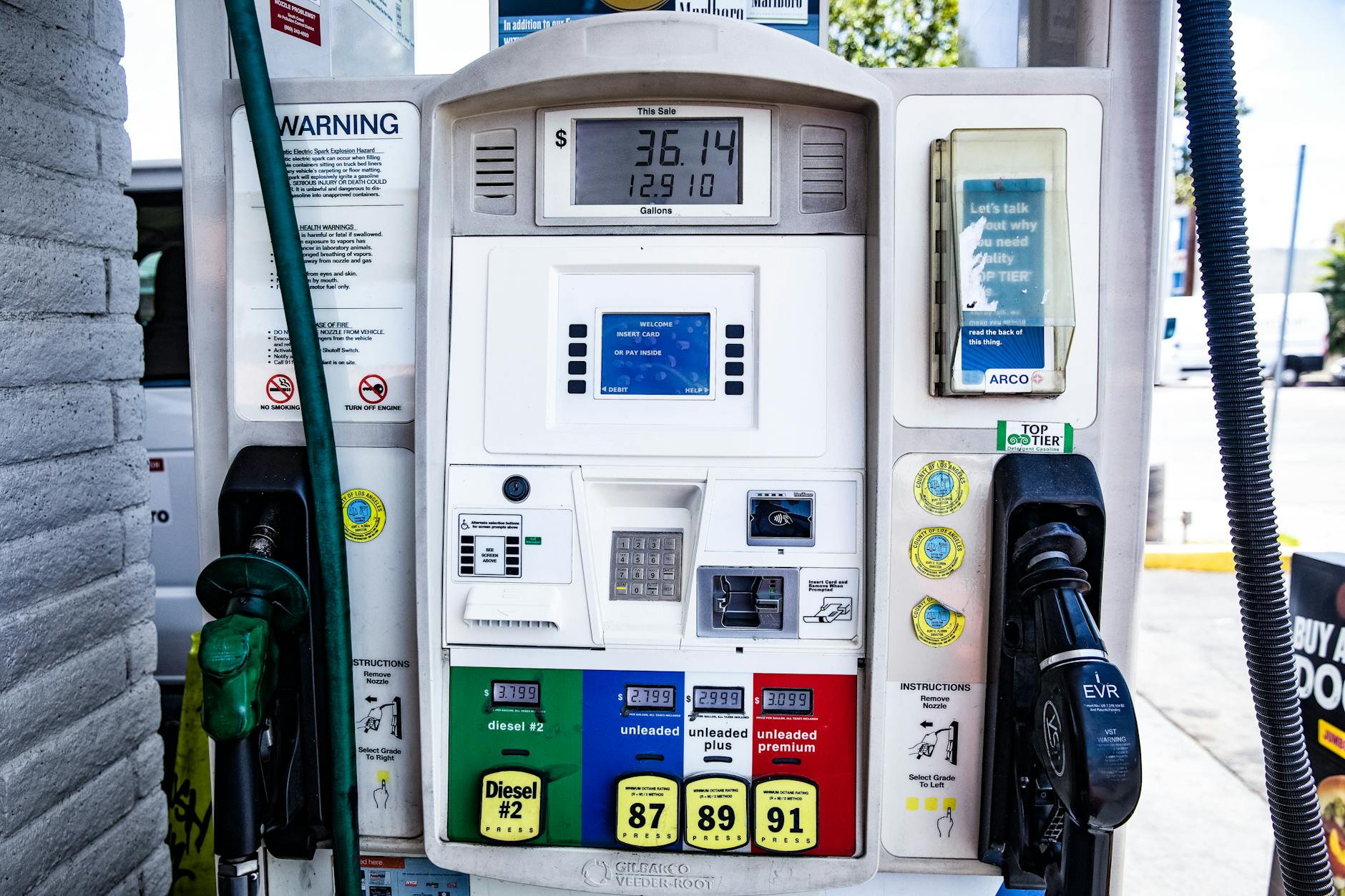
Facing rising gas prices and pressure to support farmers, the EPA has temporarily approved the sale of higher ethanol-blended gasoline (E15) this summer. This move is intended to provide relief at the pump for consumers. However, environmental advocates and researchers are raising significant concerns, questioning if E15 truly offers economic benefits and warning about its potential negative impacts on air quality and climate goals. The decision reignites a long-standing debate over the environmental efficacy of corn-based biofuels.
The Environmental Protection Agency recently announced a waiver allowing E15 gasoline, which contains up to 15 percent ethanol, to be sold throughout the summer. This decision, made amid surging gas prices linked to international conflicts, aims to ease financial strain on consumers and boost the struggling agriculture sector.
Traditionally, E15 sales are restricted in summer months because the blend can worsen air pollution and contribute to smog in warmer temperatures. Beyond immediate air quality concerns, a deeper environmental debate surrounds biofuels. Research suggests that the production of some biofuels, especially those based on corn and vegetable oils, can contribute to deforestation and result in higher greenhouse gas emissions than conventional fossil fuels. For instance, the Union of Concerned Scientists highlights how increased demand for biofuel feedstocks can lead to unsustainable land use and a net negative impact on the climate, echoing similar findings for corn ethanol. Such analyses emphasize that not all 'green' solutions are equally beneficial for our planet, stressing the urgency of pursuing truly sustainable energy transitions.
While proponents argue E15 offers savings at the pump and supports farmers, critics question the actual economic relief and highlight the environmental trade-offs. This ongoing push for increased biofuel use underscores the broader challenge of balancing immediate economic needs with long-term climate action. Truly effective solutions require careful consideration of their full lifecycle impact, moving towards clean energy technologies that genuinely reduce emissions and protect natural ecosystems.