New Energy Bill: Why It Unites and Divides Key Players

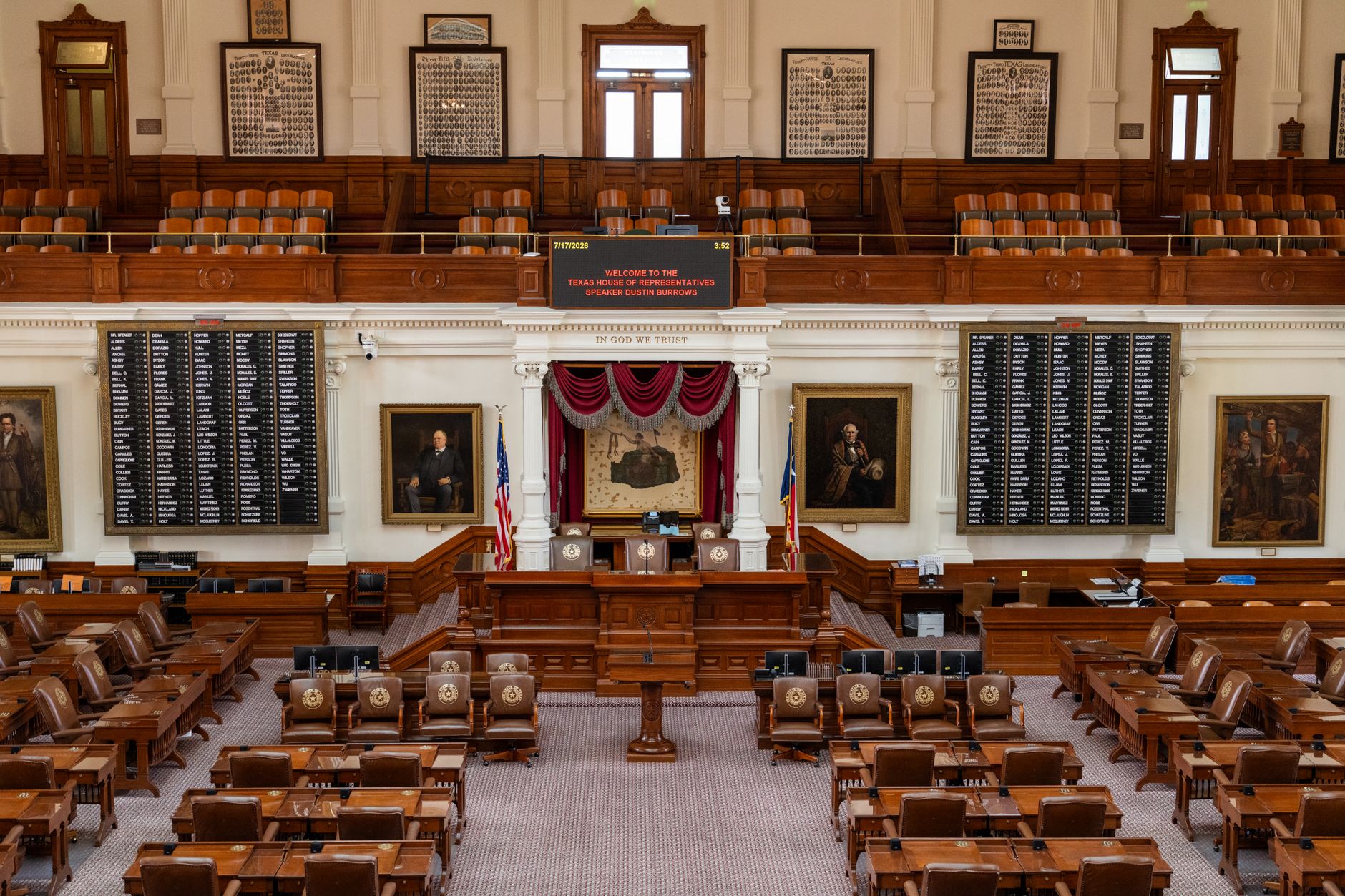
A significant bipartisan bill aimed at accelerating federal approvals for major energy and infrastructure projects has gained President Trump's endorsement. This legislation, seen as a rare opportunity to streamline the complex system for building everything from power grids to new clean energy facilities, is poised for a crucial Senate vote. However, despite broad support from some energy sectors, the bill faces strong opposition from environmental groups and some House Democrats. Critics warn that while it could boost critical infrastructure, its current form may not adequately protect communities or the environment, highlighting the ongoing tension in balancing energy needs with sustainable development.
On the eve of a key Senate vote, a bipartisan bill designed to speed up federal approval for major energy and infrastructure projects has received President Trump's backing. Proponents argue this “once-in-a-generation” legislation is vital for modernizing power grids, supporting new technologies like AI data centers, and boosting both traditional and clean energy development. President Trump specifically championed the bill as a way to lower energy costs for American families and create jobs, aligning with his “America First Energy Agenda.”
The proposed changes are broadly supported by a diverse array of groups, including both oil companies and renewable energy developers, who all seek to overcome lengthy approval processes. However, the path to passage is not smooth. Key Democratic leaders in the House express concerns that the bill lacks sufficient input from their caucus, suggesting a better deal could be negotiated next year.
Crucially, several environmental organizations, including the National Wildlife Federation, have voiced strong opposition to the bill in its current form. They argue that despite potential benefits for clean energy, the legislation could weaken environmental safeguards and neglect input from tribal partners and environmental justice communities. Speeding up all types of projects, without robust environmental reviews, raises urgent questions about our commitment to sustainability and protecting vital natural resources. This highlights the critical need for careful consideration as we strive for energy security while safeguarding our planet for future generations.