New England's Quiet Threat: What's Fueling Northeast Wildfires?

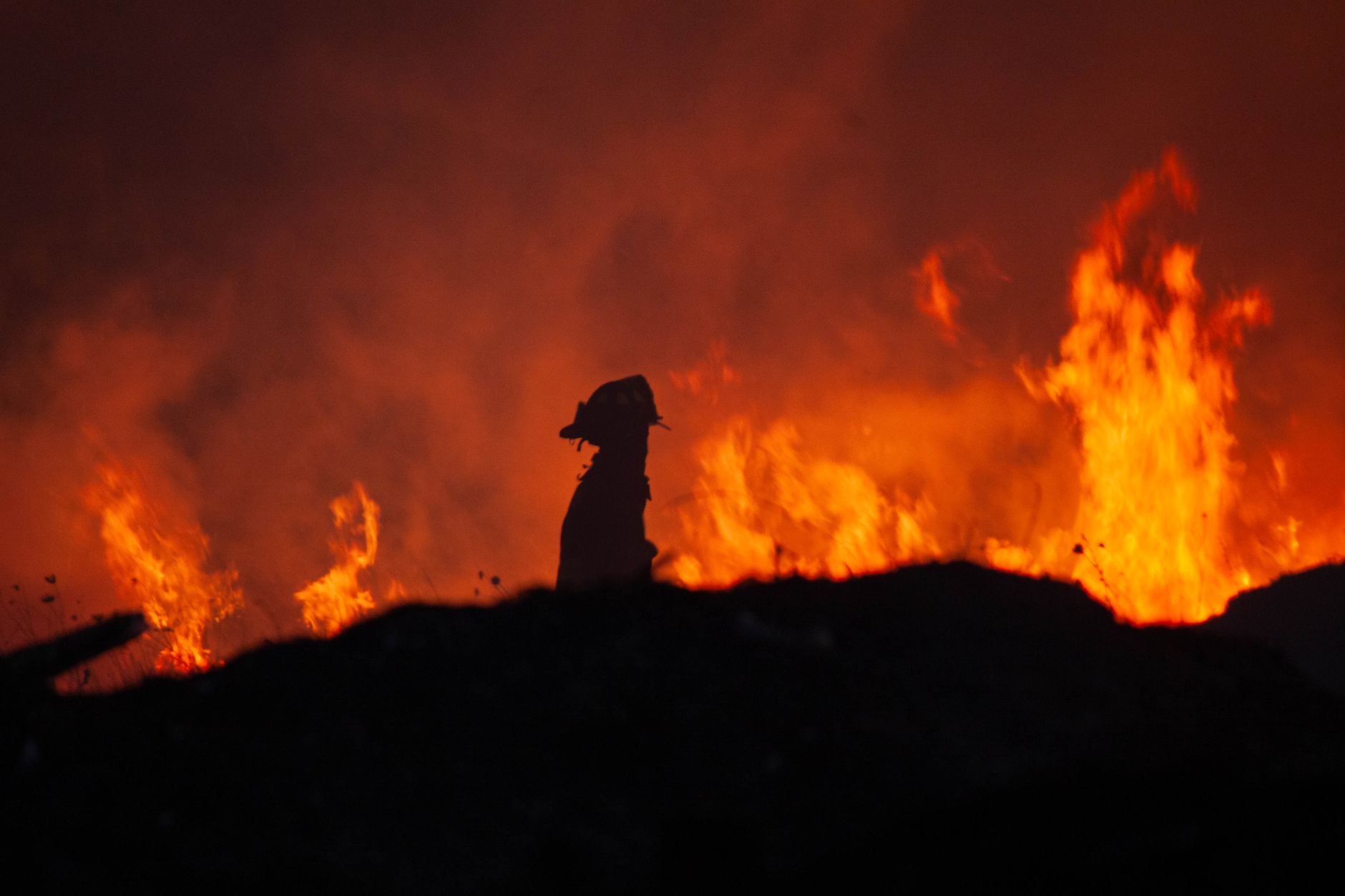
New England, once relatively safe from massive blazes, is now confronting a rising wildfire threat, intensified by a changing climate. Recent severe droughts have led to record-breaking fire activity, straining local resources and spreading smoky haze thousands of miles from Canadian wildfires. Amidst this growing danger, federal plans to reorganize the Forest Service and cut essential research budgets introduce alarming uncertainty for firefighters and forest managers. This situation highlights the critical need for proactive environmental strategies and sustained support for those on the front lines protecting our communities and natural landscapes from the urgent impacts of global warming.
New England, long spared from massive wildfires due to ample rainfall, is now experiencing a concerning shift, driven by our changing climate. While the Western states often make headlines for catastrophic blazes, the Northeast's fire season has been quietly intensifying. For instance, severe droughts in 2025 quadrupled Maine’s late summer fire activity, and 2024 saw Connecticut’s fall wildfires quintuple, tragically leading to a firefighter fatality. Even distant Canadian wildfires, like those in Nova Scotia and Quebec in 2023, have sent smoky haze across thousands of miles to the East Coast, underscoring the region's growing vulnerability to hotter, drier conditions.
This increase in fire activity is stretching local forest managers and firefighters thin. Experts note that New England’s traditional fire seasons are starting earlier and lasting longer, demanding more resources for extended periods. While most local fires are still human-caused and often contained quickly, the increasing frequency of "flash droughts"—short, intense dry spells after periods of growth—creates more readily available fuel. Last year in Maine, an unusually dry summer after a wet spring led to fires burning deeper and becoming much harder to extinguish, nearly overwhelming available manpower on some days. This situation highlights the vital role of regional cooperation, like the Northeastern Forest Fire Protection Compact, which shares crews and knowledge across state and national borders.
Compounding these climate challenges are new uncertainties from federal policy changes. The U.S. Department of the Interior established a new Wildland Fire Service in 2026. Simultaneously, the Forest Service, providing 70 percent of federal wildfire resources, is undergoing its own reorganization under the Trump administration. This includes plans to relocate its headquarters and close many research stations. Congress has notably blocked the merger of these two services and even denied the new agency's budget request, creating a complex and uncertain future for wildfire management nationwide.
These federal shifts could severely impact essential wildfire prevention and research efforts. The administration has prioritized fire suppression over proactive measures like fuel removal and prescribed burns, with hazardous-fuels reduction dropping by 35 percent in 2025. Fire scientists emphasize that prevention is generally more effective than just putting out blazes. Furthermore, the proposed closure of research stations and elimination of the Forest and Rangeland Research budget would be a major blow. These experimental forests are "workhorses" that provide critical, long-term data on forest health, fire likelihood, and how ecosystems adapt to climate change—knowledge that is irreplaceable and vital for effective environmental protection and future resilience.
Many experts and legislators, including U.S. Reps. Chellie Pingree (D-Maine) and Maggie Goodlander (D-New Hampshire) who introduced HR 9464 to block closures, express deep concern over these changes. The lack of transparency and potential loss of experienced staff and crucial research facilities could undermine the nation's ability to respond to growing wildfire threats. This situation powerfully emphasizes that strong, collaborative action, grounded in science and sustained funding, is essential for addressing the urgent challenge of increasing wildfires, especially as climate change continues to reshape our landscapes.