New iPhone 18 Pro: What does 40% recycled material really mean?

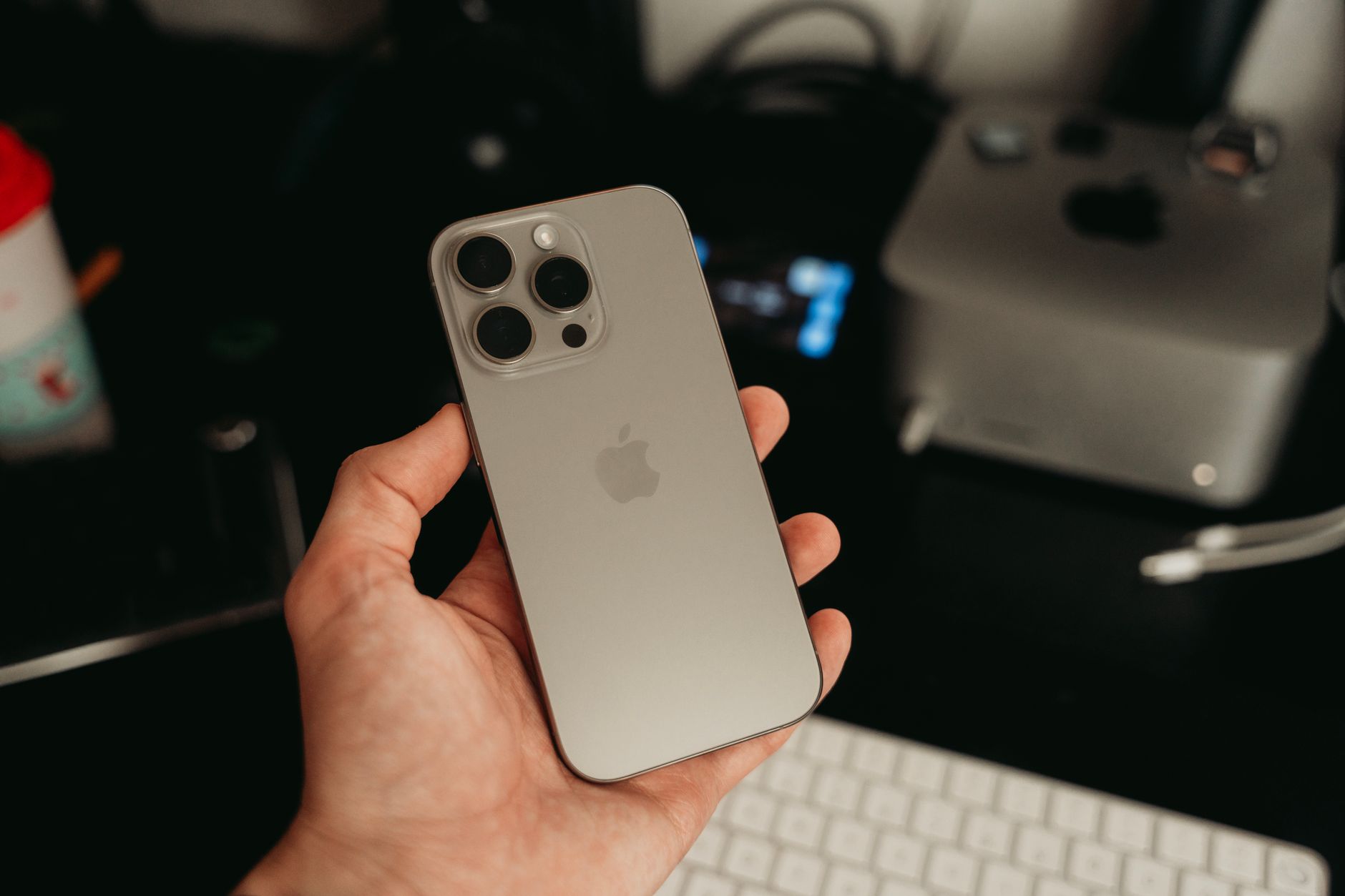
Apple's latest iPhone 18 Pro arrives with significant environmental updates beyond its new features. This new device incorporates 40% recycled materials by mass and relies on 50% renewable electricity during its manufacturing. However, each iPhone 18 Pro still carries a notable carbon footprint, primarily due to its production process. These efforts highlight the critical role of sustainable manufacturing in combating global warming and driving progress towards cleaner technologies in the consumer electronics sector. It's a step forward, emphasizing the urgent need for greener solutions across the industry.
The shiny new iPhone 18 Pro isn't just about faster performance; it also comes with a significant carbon footprint. Apple calculates that each device generates between 63 kg and 109 kg of greenhouse gas emissions over its modeled lifetime, depending on storage capacity. A large portion, 46%, comes from production, underscoring why Apple is focusing heavily on materials and supplier electricity rather than just making the phone itself more energy efficient.
To combat this, Apple is packing more recycled materials into the phone, now reaching 40% by mass, excluding packaging and accessories. Recycled materials are a crucial part of decarbonization because they generally have a lower carbon footprint than newly mined resources, directly supporting environmental protection and a circular economy.
Beyond materials, 50% of the electricity used to make these iPhones comes from renewable sources, and Apple is actively pushing its suppliers to transition to 100% renewable electricity. Additionally, all established final assembly sites for the iPhone 18 Pro have been independently verified as 'Zero Waste to Landfill,' meaning most waste is diverted away from dumps. The packaging is also 100% fiber-based and uses recycled or responsibly sourced fibers, further reducing environmental impact.
While these individual phone improvements are important, the larger picture reveals Apple’s ongoing climate challenge. Product manufacturing still accounts for over half of Apple's total gross emissions. The company has made considerable strides, reducing its gross emissions by over 60% from its 2015 baseline, even as its revenue grew significantly. Their ambitious 2030 goal to cut value-chain emissions by 75% underscores the urgent need for global industries to adopt sustainable practices.
Ultimately, the success of a 'greener by design' iPhone 18 Pro will be measured by how effectively these sustainable practices are scaled across Apple's vast global supply chain. This is where the real work for a healthier planet truly begins, demonstrating the importance of collective climate action from design to disposal.