New Mexico Faces a Puzzling "Zero-Emission" Claim for Gas Plants

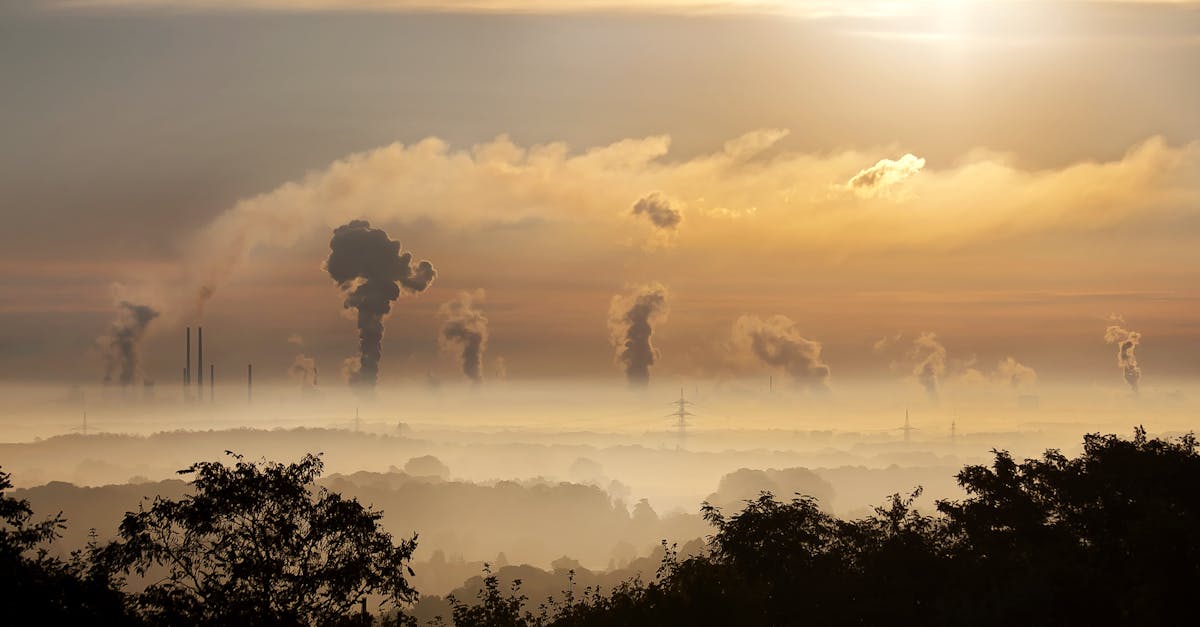
A major utility, Southwestern Public Service Company (SPS), is asking New Mexico regulators to consider a portion of its proposed new gas-fired power plants as "zero-carbon resources." This request directly challenges the state's ambitious Energy Transition Act, which mandates clean energy by 2045. Environmental advocates are calling this move "profound greenwashing," warning that such classifications could undermine vital efforts to combat global warming and transition to truly sustainable solutions. The decision carries significant implications for the state's climate future and its communities.
Southwestern Public Service Company, an Xcel Energy subsidiary, has submitted a sweeping application to the New Mexico Public Regulation Commission. Among its proposals for new transmission lines and renewable energy projects, SPS is seeking special permission for two gas-fired power plants to bypass the state’s strict clean energy laws. These plants, to be built in Texas but serving New Mexico, would generate over half of the energy in the utility's expansive $10 billion plan.
The most controversial part of the application is a request to classify about one-third of the electricity from the larger Gaines County plant as a "zero-carbon resource"—similar to solar or wind power. The utility argues that by supplying grid electricity to oil and gas operations in the Permian Basin, the new gas plants could reduce methane emissions from those sites, thereby offsetting their own carbon footprint. However, critics like the Sierra Club call this a "bald-faced lie" and "profound greenwashing," noting that methane, while potent, doesn't negate the significant carbon dioxide emissions from burning natural gas.
SPS cites system reliability and avoiding customer bill increases as reasons for needing these gas plants, claiming that an all-renewable alternative would cost New Mexico customers an additional $5.5 billion and raise rates by over 40%. Yet, experts like AnnaLinden Weller of Western Resource Advocates question if this approach truly aligns with the spirit of the Energy Transition Act, which aims for generation resources themselves to be zero-carbon. Building new gas plants with an anticipated 40-year lifespan also locks in fossil fuel dependence for decades, making future energy transitions more difficult.
This push for new fossil fuel infrastructure comes at a critical time for global climate action. The International Energy Agency's recent World Energy Outlook 2025 warns that global oil and gas demand will not peak before 2050, making it "inevitable" that the world will exceed the crucial 1.5°C warming target. Further, the proposed Gaines County plant would be located near Hobbs, New Mexico, meaning its emissions would drift over communities already struggling with some of the nation's worst air quality from existing oil and gas operations. Moving towards genuinely clean energy, like solar and wind, offers a clear path to both reduce pollution and stabilize electricity prices in the long run, avoiding the escalating costs and health impacts associated with fossil fuels.